Table of Contents
A swollen or bulging laptop battery is damaged and should not be used or charged. Power the laptop off and unplug it if you can do so without touching a hot, leaking, smoking, or otherwise unstable device. Do not press, bend, puncture, crush, or try to pry out the battery. Contact the laptop manufacturer or a qualified repair professional for safe removal and replacement.
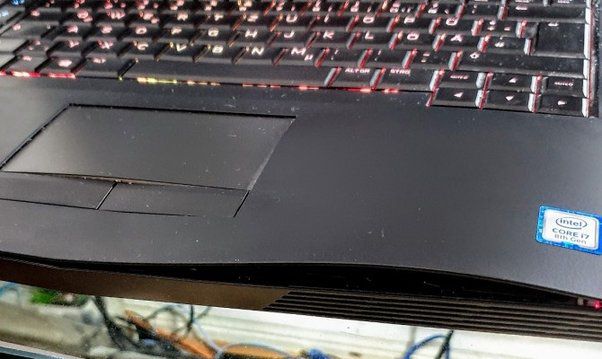
How to recognize swelling
Signs can include a raised or separated case, a bulging trackpad or keyboard, a laptop that rocks on a flat surface, or a gap opening along the chassis. Do not press on the case to confirm it or open a sealed laptop; visual signs are enough to stop using it and seek service.
Swelling can put pressure on the laptop enclosure and internal components. A damaged lithium-ion battery can also present a fire or injury hazard, so handle the device carefully and follow the manufacturer’s instructions.
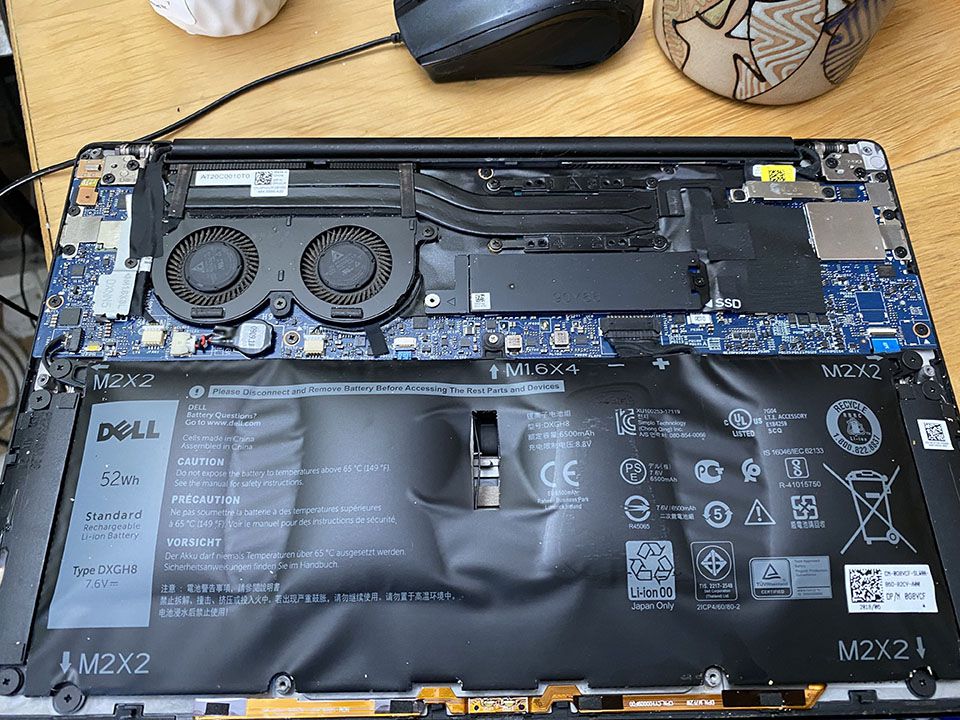
What to do now
- Stop using and charging the laptop. Shut it down and disconnect the charger if it is safe to do so.
- Keep the device away from heat and combustible materials. Do not put pressure on it or attempt a do-it-yourself removal, especially if the battery is internal or stuck.
- Contact the laptop maker or a qualified repair service to arrange inspection, replacement, and proper disposal. Do not put a swollen battery in household trash.
If the battery is smoking, hissing, leaking, unusually hot, or on fire, do not touch or move it. Move away, keep others clear, and contact local emergency services.
For manufacturer-specific handling, follow your laptop maker’s guidance. Dell’s swollen-battery safety guidance likewise advises stopping use and avoiding damage to the battery; instructions for another brand may differ.
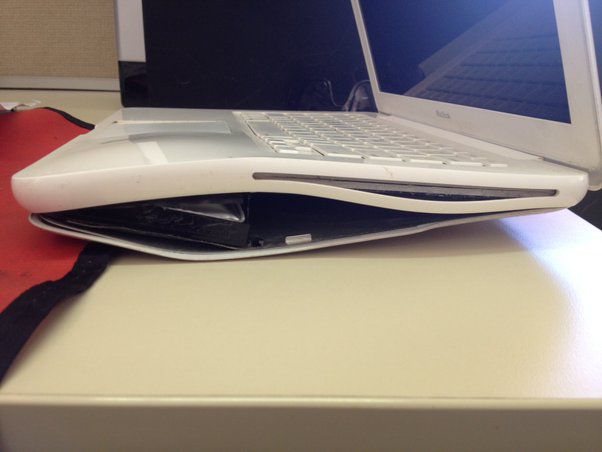
Reduce battery stress
Use the charger and replacement battery specified for your laptop. Keep the computer on a firm surface with adequate airflow, and avoid leaving it in a hot car or direct sun. These habits cannot guarantee that a battery will never swell; stop using it if you notice bulging or other signs of damage.
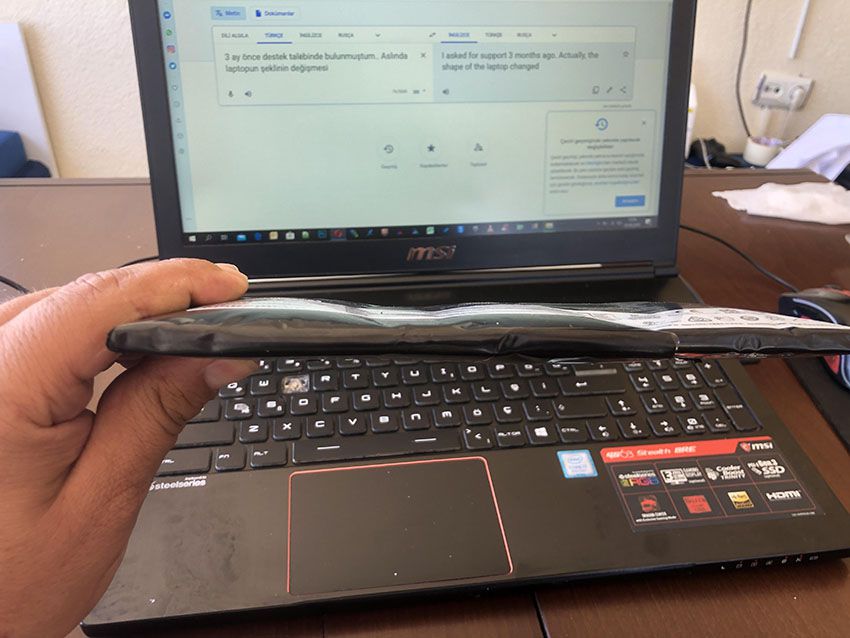
Related Articles
 Reasons and most effective ways to fix swollen laptop batteries
 How to recover and improve performance for battery-powered laptop batteries
 LG claims laptop battery 'safe'
 Things to keep in mind when buying a new laptop battery
 The 15-year-old was nearly shot with blind eyes because he broke his iPhone battery to explode
 Causes and ways to detect iPhone batteries are about to explode
Reader Comments 0
Sign in with email or Google to join the discussion.