Table of Contents
A 32GB memory card does not have a fixed recording time. The number of days depends mainly on the camera’s video bitrate, whether it records continuously or only on motion, the number of cameras sharing storage, and the space available after formatting. The camera’s own retention estimate is the best starting point.

Estimate continuous recording time
If the camera reports an average bitrate in megabits per second (Mbps), estimate hours using:
hours ≈ usable storage in GB × 8,000 ÷ bitrate in Mbps ÷ 3,600
This is a rough calculation using decimal storage units. It does not account for file-system overhead, audio, metadata, bitrate variation, or reserved space, so actual retention will be lower or different. Divide the estimated hours by 24 to get days for one camera recording continuously. For multiple cameras, add their bitrates or calculate their storage use together.

Why recordings last longer or shorter
- Bitrate and resolution: Higher-quality settings often use more data, though the exact rate depends on the camera and scene.
- Recording schedule: Continuous recording uses space all day. Motion-triggered recording may use less, but activity levels vary.
- Compression and frame rate: These settings change file size and should be checked in the camera’s app or manual.
- Loop recording: Many cameras overwrite the oldest footage when storage fills. This provides a rolling window rather than an archive.
- Usable capacity: Formatting and device compatibility mean not all advertised capacity is available for clips.
Check the camera’s storage or playback page to see its actual retention range. For selection, follow the camera manufacturer’s supported capacity and speed requirements. TipsMake has more on memory card speed ratings and camera SD card troubleshooting.
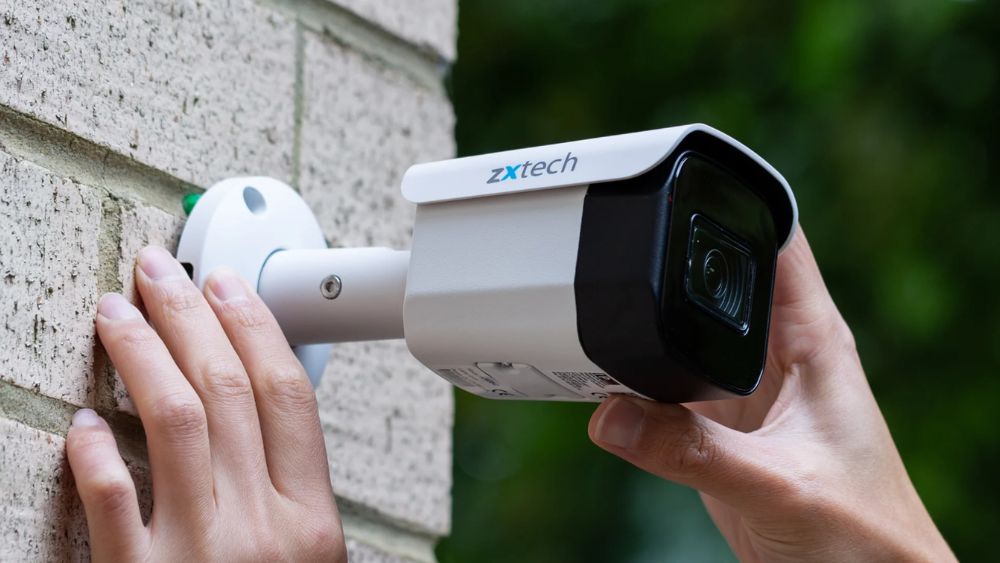
Before formatting or replacing a card, save footage you need. If the camera stops recording unexpectedly, check its card status, recording schedule, overwrite setting, and compatibility rather than relying on a generic days-per-capacity chart.
Related Articles
 5 What to note when choosing a memory card for the camera
 Top 5+ important notes when choosing Yoosee Camera memory card
 How much do 8GB, 16GB, 32GB, 64GB and 128GB memory cards cost?
 Some notes when using memory cards to protect your data and cameras
 IMOU camera memory card - Installation instructions and choosing the right type
 Just 3 steps to quickly install Ezviz Camera memory card
Reader Comments 0
Sign in with email or Google to join the discussion.