Table of Contents
The iPhone 16 Pro can be an alternative to the standard iPhone 17 if you need its dedicated telephoto camera or professional recording features. The iPhone 17 has its own advantages, so the older Pro is not automatically the better purchase.
Compare like-for-like storage and the condition of the actual device. A used 128GB phone and a new 256GB phone at similar prices are not equivalent offers.
The main differences

| Feature | iPhone 16 Pro | iPhone 17 |
|---|---|---|
| Display | 6.3-inch OLED with ProMotion | 6.3-inch OLED with ProMotion up to 120Hz |
| Chip | A18 Pro, 6-core GPU | A19, 5-core GPU |
| Rear cameras | Main, ultra-wide and dedicated 5x telephoto | Main and ultra-wide; no separate 5x telephoto |
| Storage options | 128GB, 256GB, 512GB, 1TB | 256GB, 512GB |
| Specialist capture | Apple ProRAW and ProRes support | Different consumer-focused capture feature set |
Check Apple’s iPhone 16 Pro specifications and iPhone 17 specifications for full details and recording requirements.
When the 16 Pro’s cameras matter
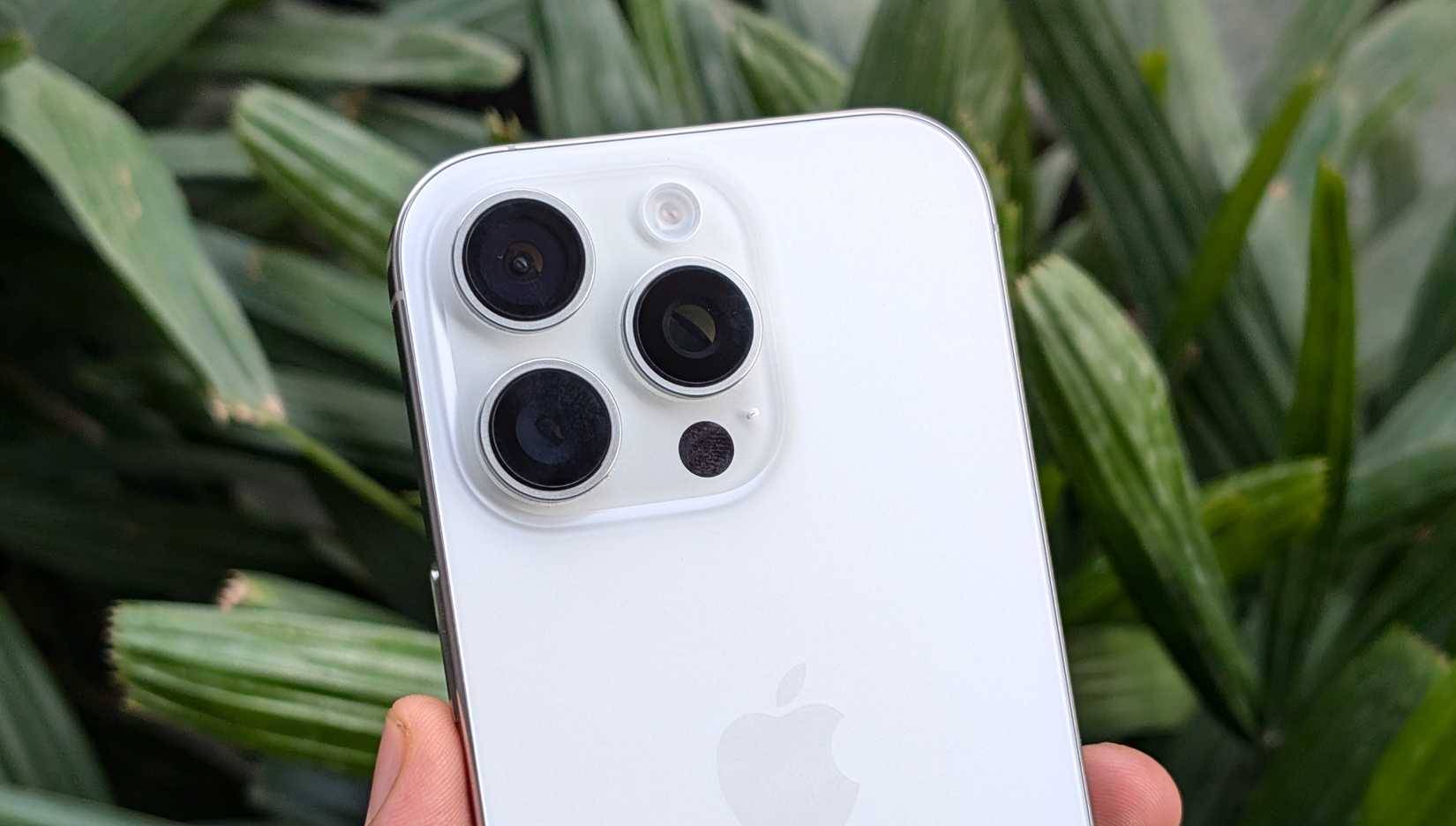
The dedicated 12MP 5x telephoto is the clearest reason to consider the 16 Pro for distant subjects. The iPhone 17’s main-camera crop option is not the same as a separate long telephoto lens.
That does not make every photograph better on the older phone. Lighting, subject movement, focal length and processing affect results. If you usually photograph people nearby or use the main camera, evaluate those situations rather than choosing solely by lens count.
The 16 Pro also supports ProRAW and ProRes workflows. Those can be useful if you edit the files and can manage their storage needs. Their absence from a standard model is a product distinction, not a feature Apple removed from the 16 Pro.
GPU core count is not a benchmark
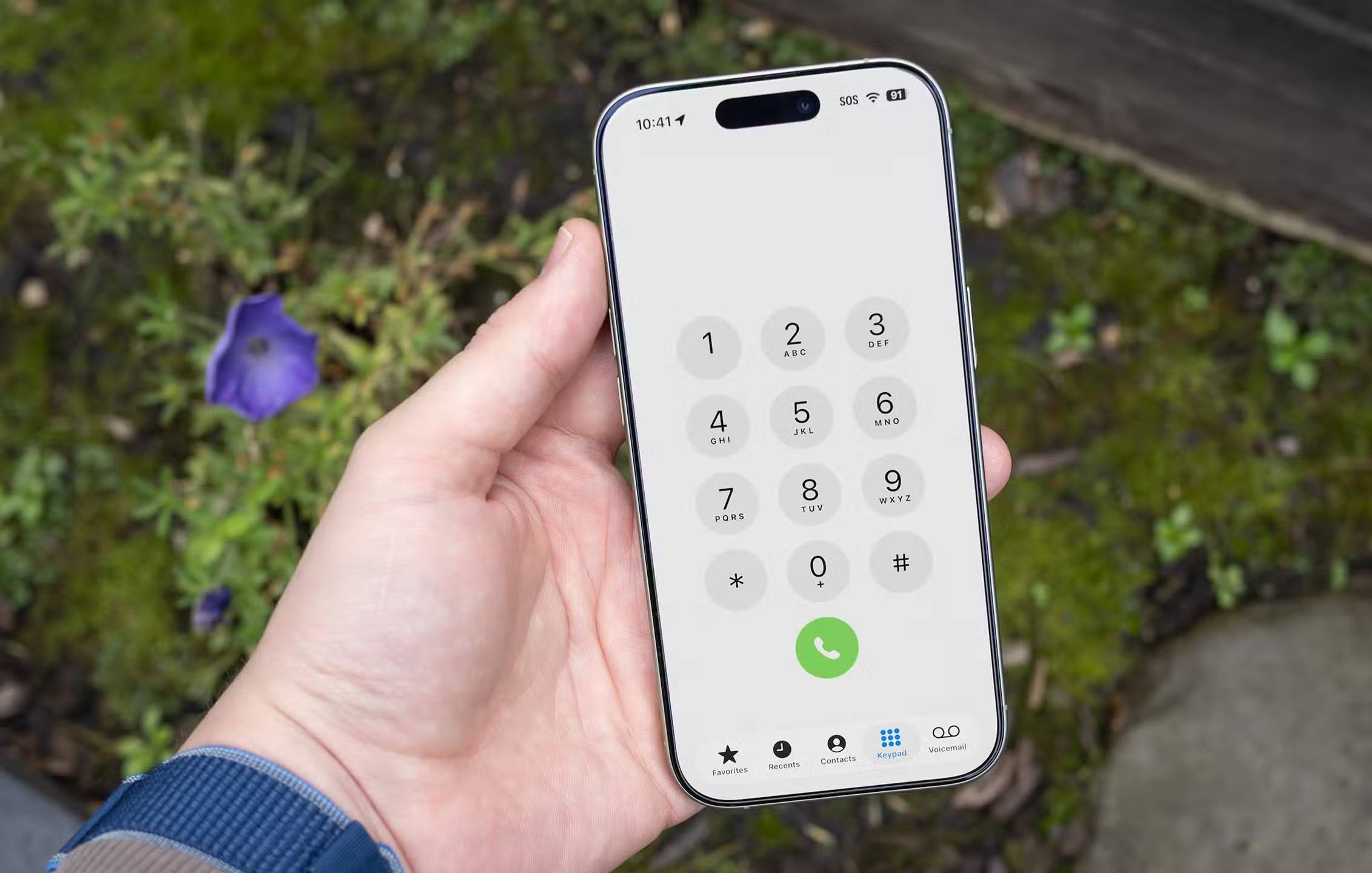
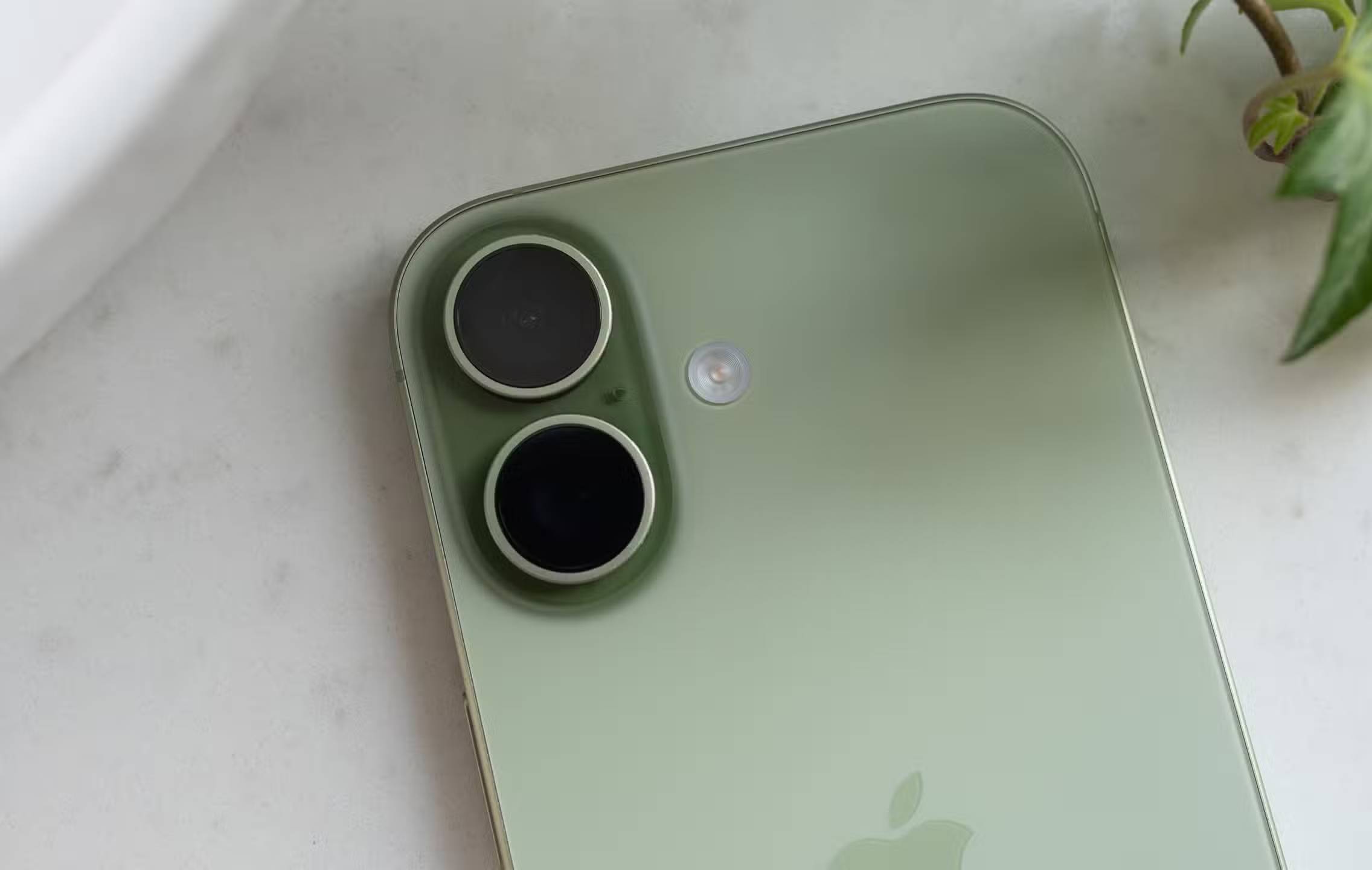
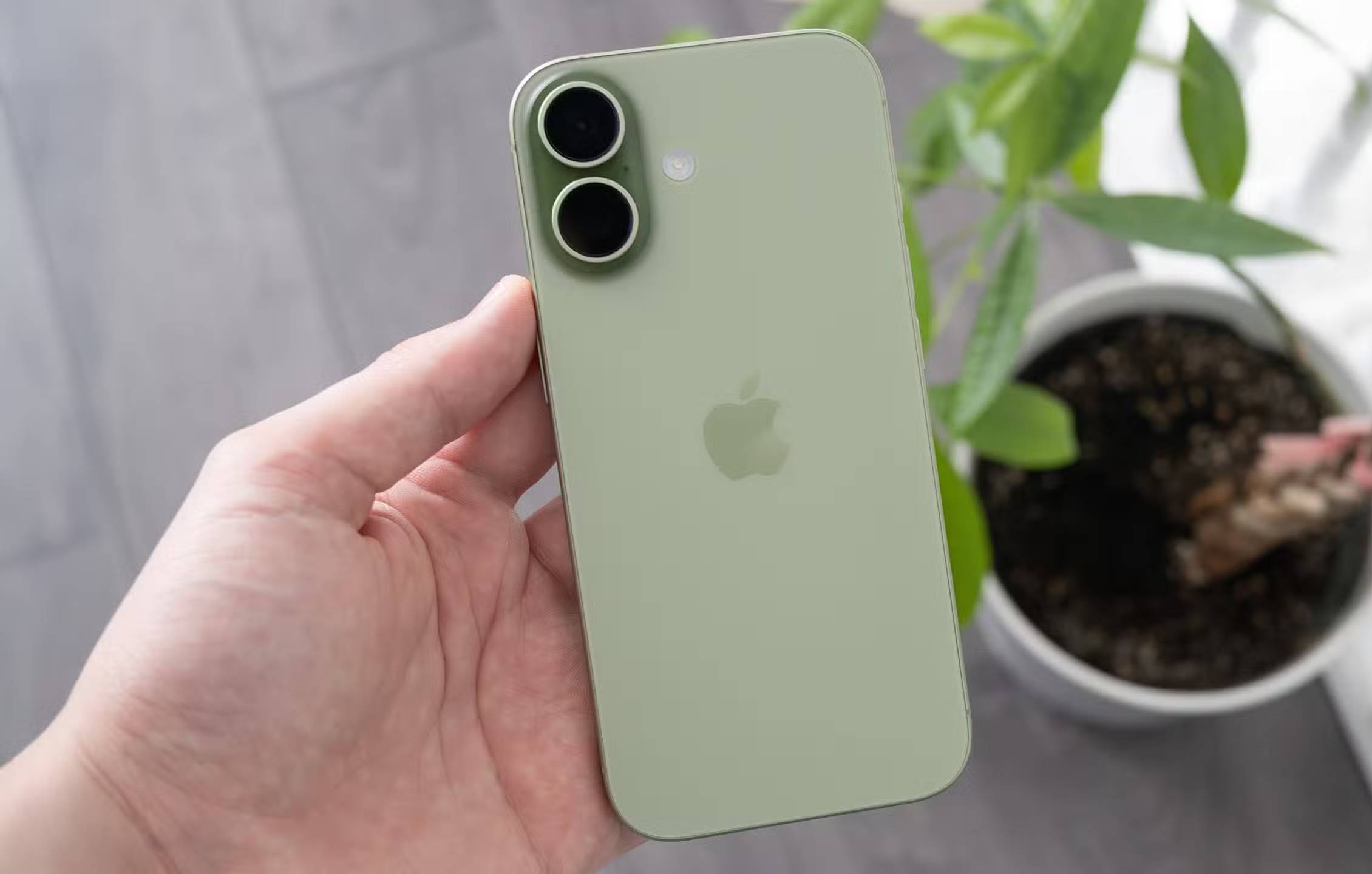
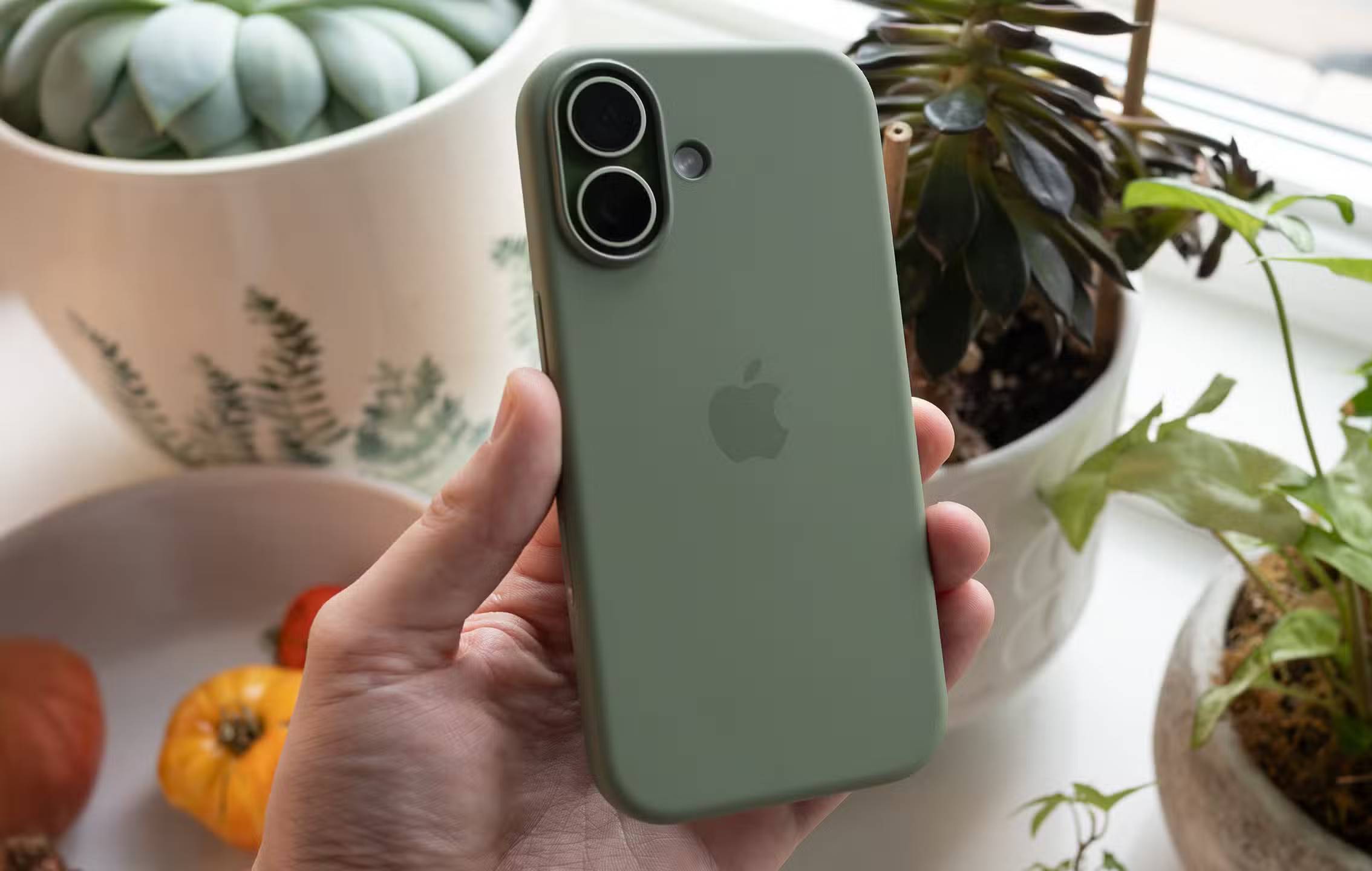
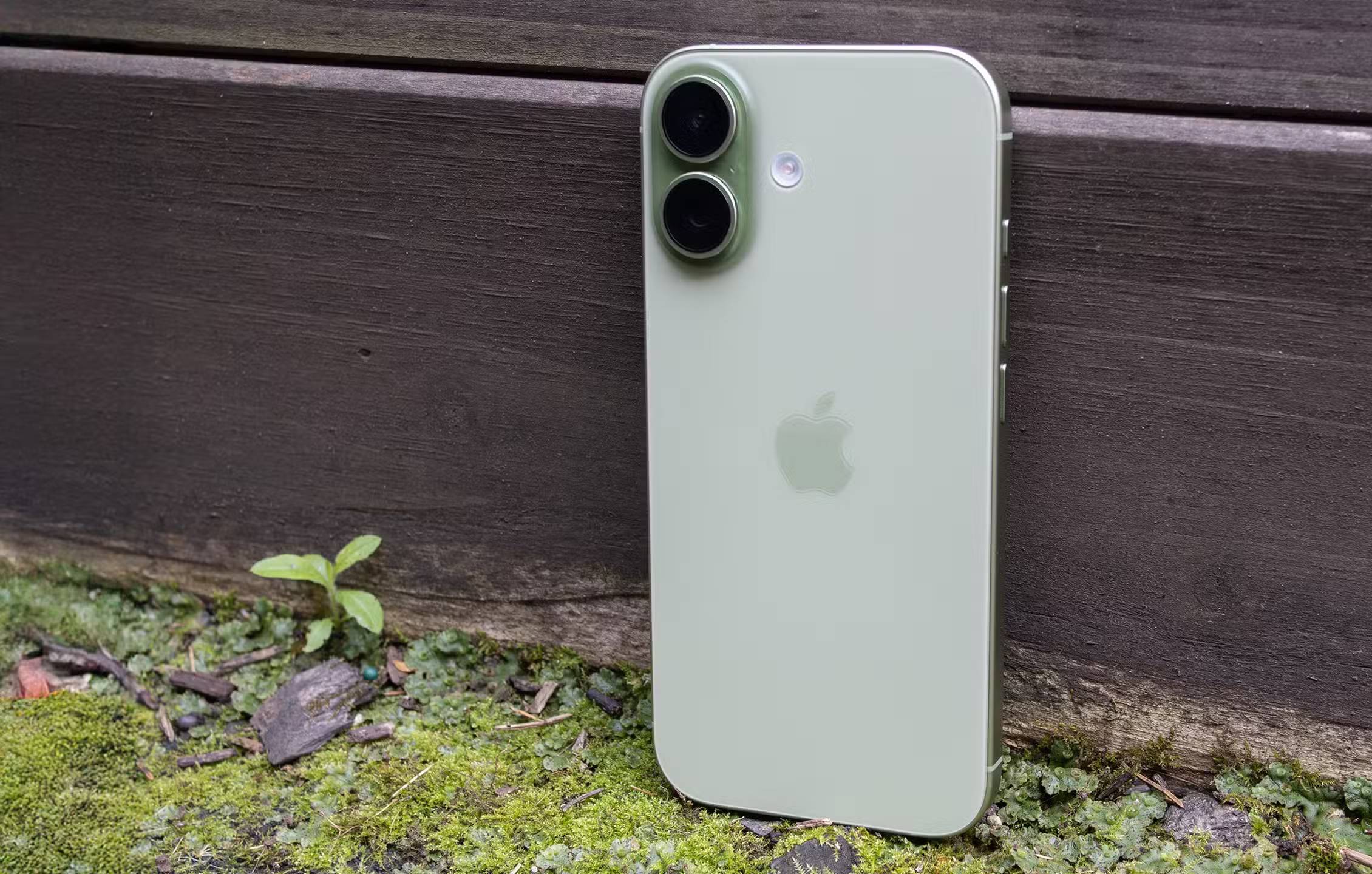
The A18 Pro has one more GPU core than the A19 in the iPhone 17. Core counts across different chip generations do not, on their own, establish which phone is faster in a particular game or editor.
Look for testing of your workload, including sustained performance, temperature and battery use. For ordinary messaging, browsing and navigation, purchase condition and battery runtime may matter more than a small benchmark difference.
Storage is more concrete. The 16 Pro’s 1TB option may appeal to someone recording a lot of video, while the standard iPhone 17 starts at 256GB. Compare the capacity you will actually buy instead of treating the 16 Pro’s maximum as though it applies to every unit.
The newer phone has meaningful advantages too
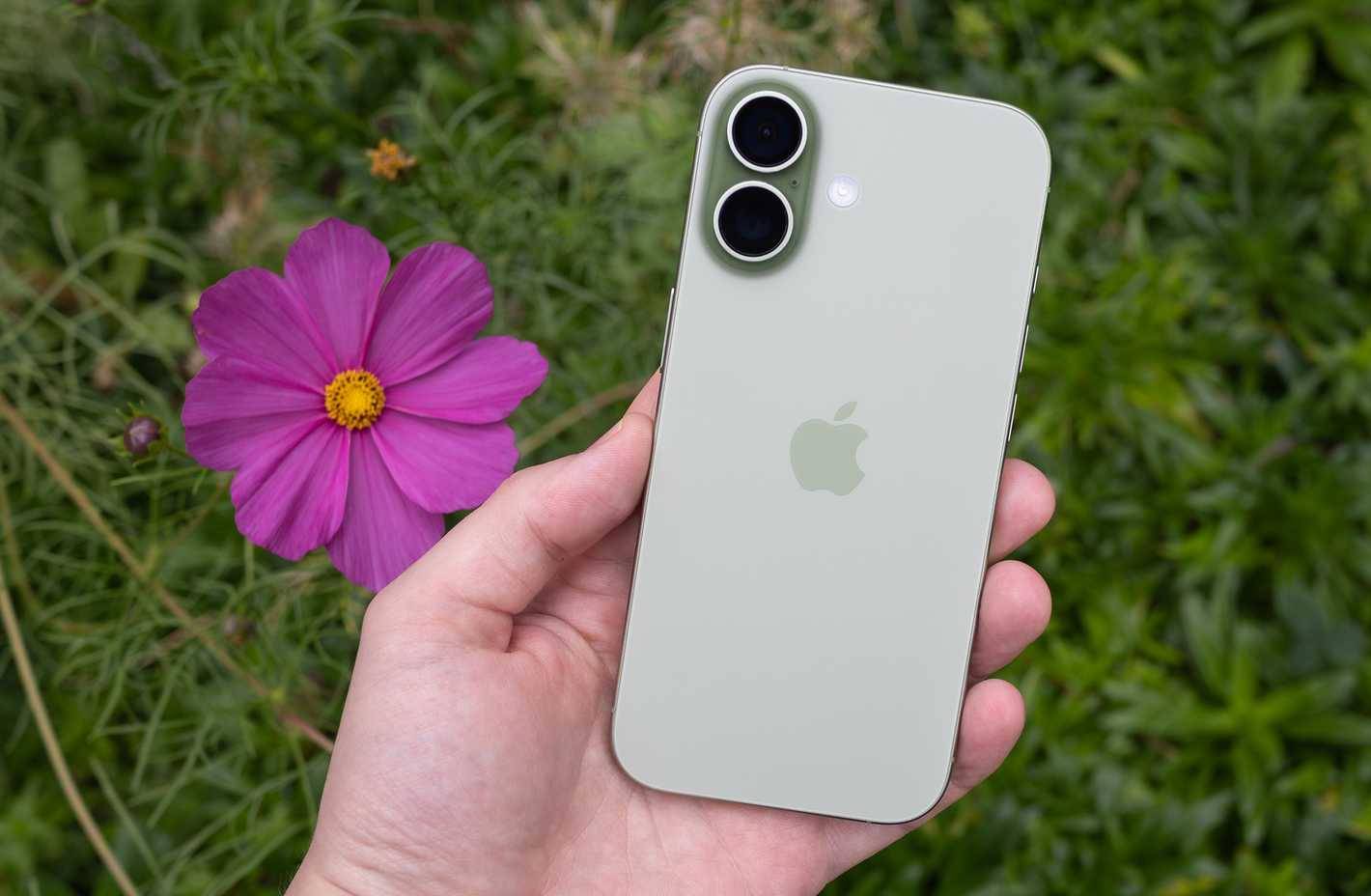
The iPhone 17 includes an 18MP Center Stage front camera and a ProMotion display. Choosing the standard model therefore does not mean giving up the high-refresh-rate interface that older standard iPhones lacked.
Compare battery ratings only under the same test method, and remember that a used phone’s battery may have aged. An EU energy-label runtime and a video-playback figure measure different workloads. If battery life is your concern, this guide to checking iPhone battery usage explains the difference between workload and battery condition.
Compare the deal, not just the model names
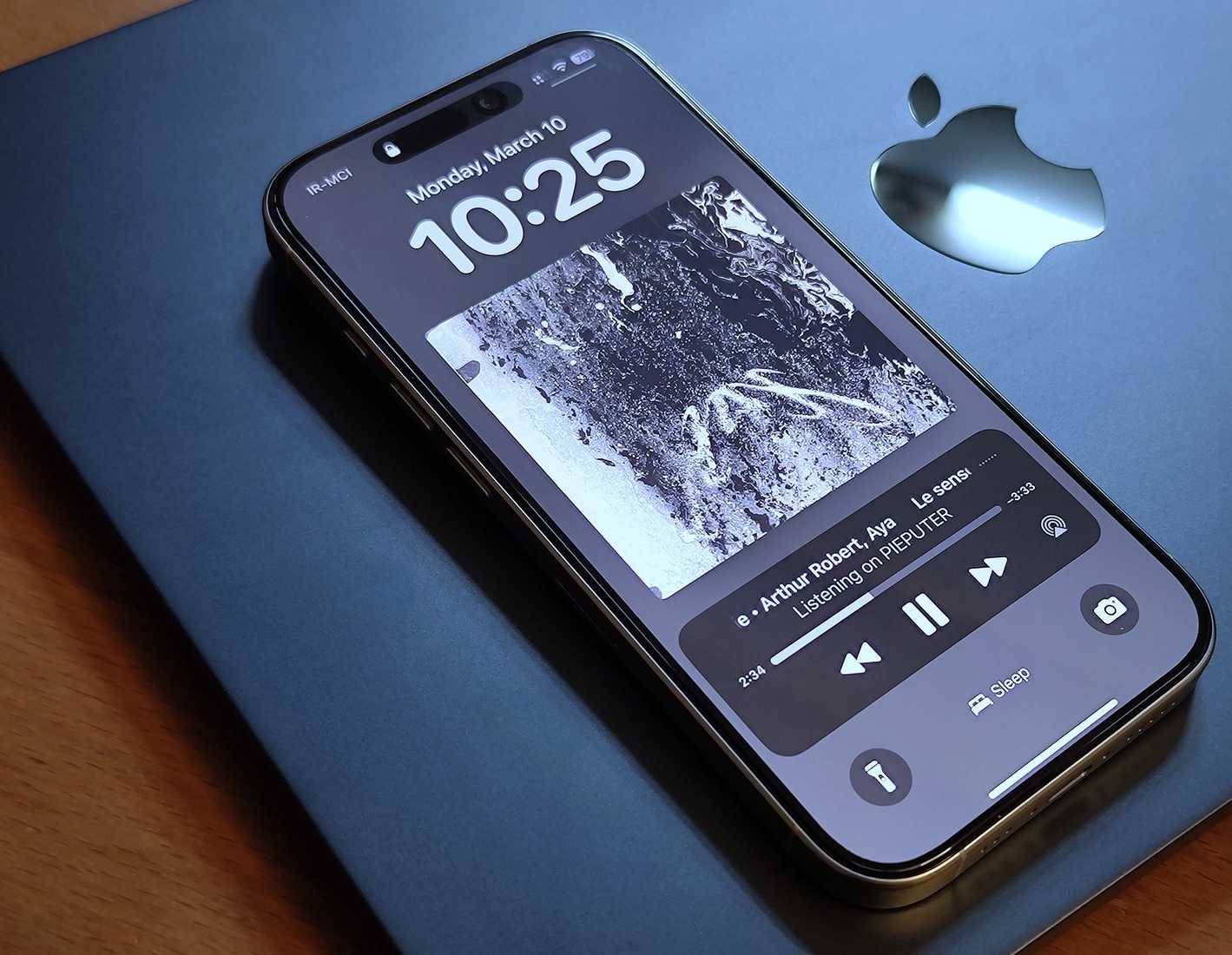
- Choose the 16 Pro for a specific need: dedicated telephoto, ProRAW/ProRes or a higher storage option at a worthwhile price.
- Consider the 17 for a new-device purchase: compare its front camera, current warranty terms, battery and storage with the actual older unit.
- Keep your existing phone if it still meets your needs: neither option makes an annual replacement necessary.
Prices and availability vary by region and seller, so use current listings rather than an old launch-price comparison. For a second-hand 16 Pro, verify Activation Lock before payment, as well as battery condition, repair history, carrier compatibility and return terms.






Reader Comments 0
Sign in with email or Google to join the discussion.