Table of Contents
Alongside the iPhone 17 lineup, Apple introduced a brand new model: the iPhone Air. This is an ultra-thin iPhone, even thinner than the iPhone 6, with a Pro-grade processor and a price just a little lower than the Pro lineup.
Alongside the iPhone 17 series, Apple introduced a brand new model: the iPhone Air. It's a super-thin iPhone, even thinner than the iPhone 6, with a Pro-level processor and a price just a little lower than the Pro line. The idea is to combine Pro performance with top-notch design.
Full iPhone Air specifications
| Features | Detail |
|---|---|
| Screen | 6.5-inch Super Retina XDR OLED display, 1–120Hz ProMotion, Always‑On, 3000 nits peak brightness, 1 nit minimum brightness |
| Design | 5.64mm thin, titanium frame, 165g, Ceramic Shield 2 front and back with anti-reflective, flat back design |
| Processor | A19 Pro, 6-core CPU, 5-core GPU, Neural Engine (3x faster) |
| RAM | 8GB |
| Memory | 256GB, 512GB, 1TB |
| Rear camera | Fusion 48MP main camera, 1× & 2× optical zoom, Photonic Engine, Focus Control |
| Front camera | 18MP main camera, square sensor, auto-orientation, landscape selfie |
| Battery | ~3,149 mAh, up to 27 hours of video playback, Adaptive Power Mode, MagSafe & Qi2 fast charging |
| Connect | Apple N1 wireless chip (Wi‑Fi 7, Bluetooth 6, Thread), Apple C1X modem (30% more efficient), eSIM-only design |
| Color | Space Black, Cloud White, Light Yellow, Sky Blue |
| Price | 32 million VND (256GB), 39 million VND (512GB), 45 million VND (1TB) |
Design: Apple's thinnest iPhone ever
The highlight of the iPhone Air is its body. At just 5.64mm thin, it even breaks the record of the iPhone 6. Apple crafted it from grade 5 titanium with a glossy finish and added a new plateau design on the back to house the camera, speaker and silicon, freeing up space for the battery. Weighing just 165 grams, the phone feels incredibly light but still feels more solid than any previous iPhone thanks to the Ceramic Shield 2 coating covering both the front and back.
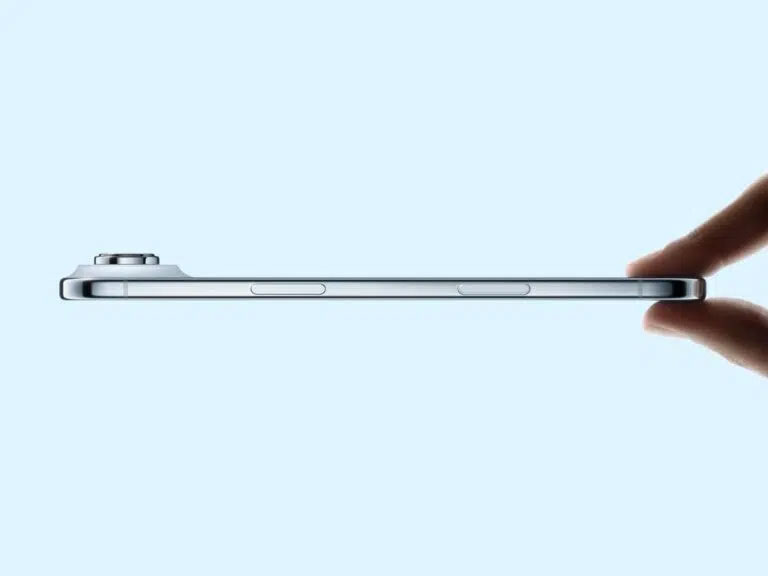
Apple even redesigned the USB-C port, making it thinner with 3D-printed titanium. It's also the first iPhone to have a Ceramic Shield-coated back, which reduces the chance of cracks and scratches.
The thin bezel doesn't compromise usability, there's still an Action button and a new Camera Control shortcut, both of which are carried over from the Pro models.
Display: Big, bright and smooth
The Air has a 6.5-inch Super Retina XDR OLED display, which sits between the base iPhone 17 (6.3 inches) and iPhone 17 Pro (6.7 inches). It supports 120Hz ProMotion technology, adjustable from 1Hz to 120Hz for smooth scrolling, and the Always-On Display uses almost no power. With a peak brightness of 3,000 nits and 2x the outdoor contrast, it's the most sunlight-friendly iPhone display ever.
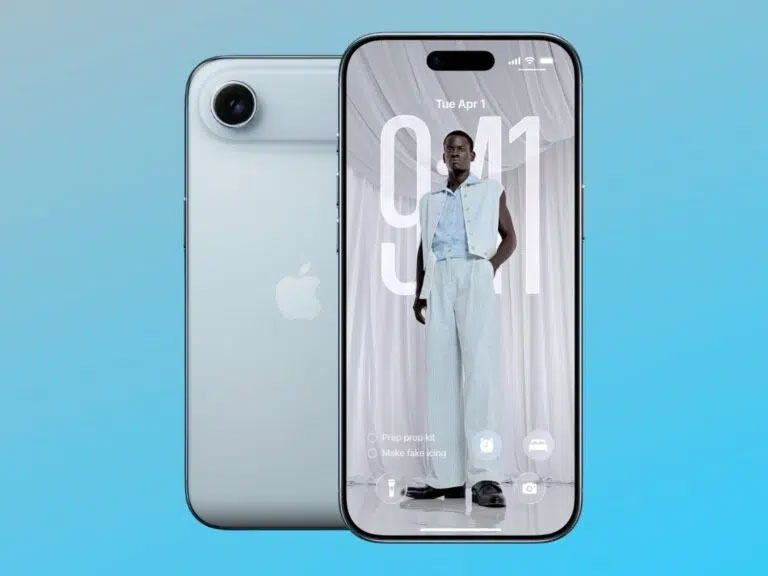
Performance: Professional power in a thin, light body
Inside, the iPhone Air is powered by the A19 Pro chip, which is the same power as the iPhone 17 Pro models. It has a 6-core CPU, 5-core GPU, and GPU-level Neural Accelerator, which delivers 3x the AI computing power of the previous generation. Whether you're gaming, multitasking, or running Apple Intelligence on your device, the Air handles it all with ease.
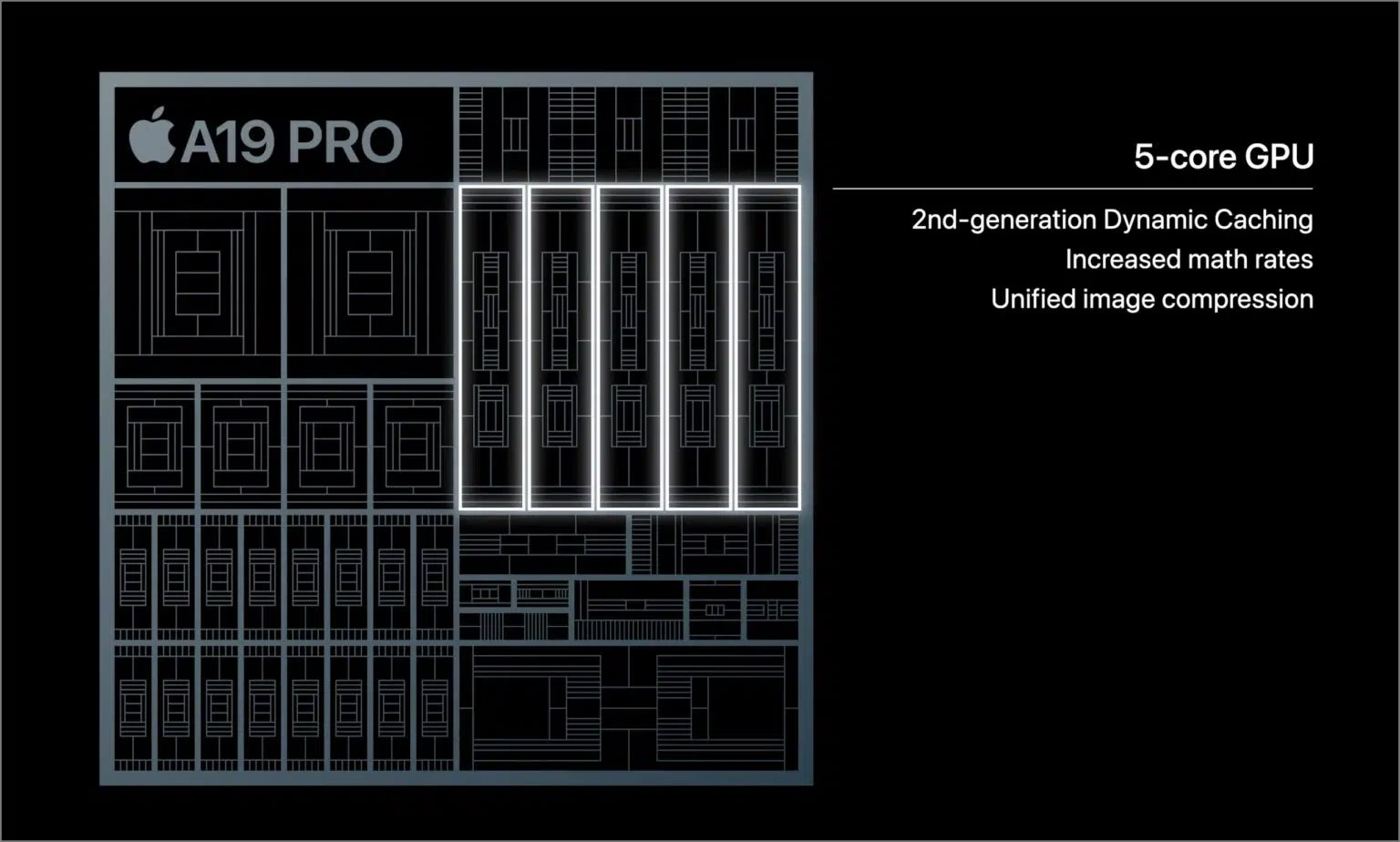
Supporting the A19 Pro are two other Apple-designed chips: the N1 wireless chip ( Wi-Fi 7, Bluetooth 6, Thread) and the C1X modem, which is 30% faster and more efficient than the modem in the iPhone 16 Pro. This makes broadcasting, AirDrop, and global connectivity smoother than ever. And like the iPhone 17 series, the Air only supports eSIM, supporting more than 500 carriers worldwide.
Air Camera: 4 lenses in 1
Apple describes the iPhone Air's 48MP Fusion main camera as giving you "the equivalent of four lenses." It supports popular 28mm and 35mm focal lengths, along with a 2x optical crop for the Telephoto lens. Low-light shots benefit from an improved Photonic Engine, and Focus Control lets you adjust depth of field later, like multi-camera systems.
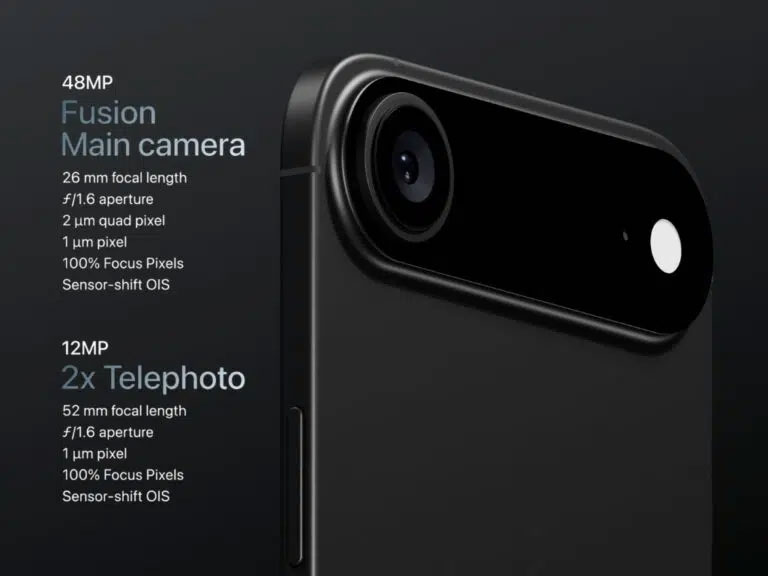
The 18MP Center Stage selfie camera is Apple's first square sensor, allowing you to take photos horizontally without flipping the phone. The camera automatically extends for group selfies and keeps you focused on video calls. With Dual Capture, you can record with both the front and rear cameras at the same time, perfect for reaction videos.
Here's a quick look at the camera hardware in table form:
| Camera | Parameter |
|---|---|
| Rear camera | 48MP Fusion main camera, 28mm and 35mm focal length, 2x Telephoto, Photonic Engine, Focus Control |
| Front camera | Center Stage 18MP, square sensor, auto orientation, group expansion, 4K HDR image stabilization |
Video capabilities include Dolby Vision 4K60, Action mode, and Spatial Audio recording with wind noise reduction and Audio Mix editing.
Battery life: Excellent for a slim phone
Battery life was a big concern at launch, but Apple seems to have addressed it. The iPhone Air offers up to 27 hours of video playback, a bit less than the Pro models but still enough to get through a day. Internally, the redesigned architecture maximizes battery capacity, and iOS 26 's Adaptive Power Mode learns your usage patterns to intelligently extend battery life when needed.
Fast charging is supported via Apple's new 40W Dynamic Power Adapter, which charges 50% in about 20 minutes. The Air is also compatible with the new Qi2 MagSafe charger for faster, more efficient wireless charging.
IPhone Air Colors and Accessories
IPhone Air comes in 4 colors:
- Black Space (mysterious and prominent)
- White Cloud (clean and sharp)
- Bright Gold (elegant and luxurious)
- Sky Blue (bright and cheerful)
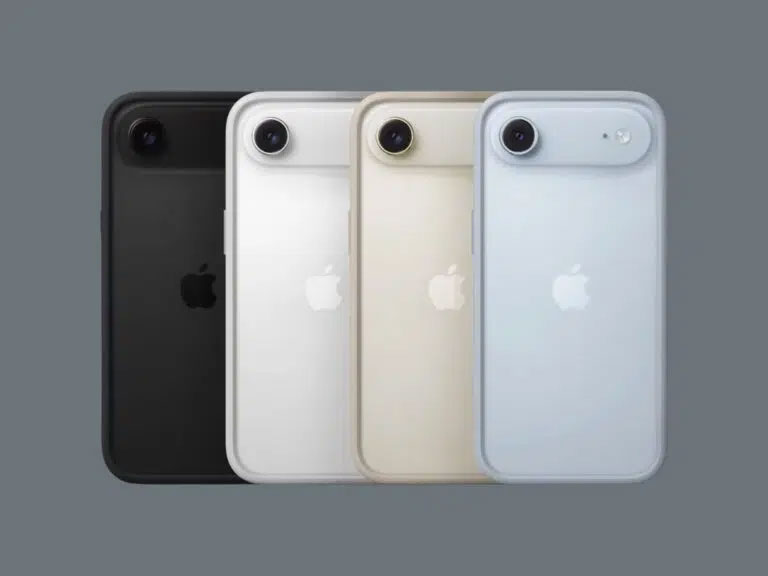
Apple also introduced accompanying accessories: the ultra-thin MagSafe case, lightweight case, 10-color crossbody strap, and MagSafe battery pack that extends the battery life to up to 40 hours of video playback.
Who is the iPhone Air for?
Apple didn't just create a new iPhone, it created a new category. The iPhone Air is for those who want Pro performance in a futuristic design. It's thinner than any iPhone before, lighter in the hand, without compromising on performance, camera, or durability.
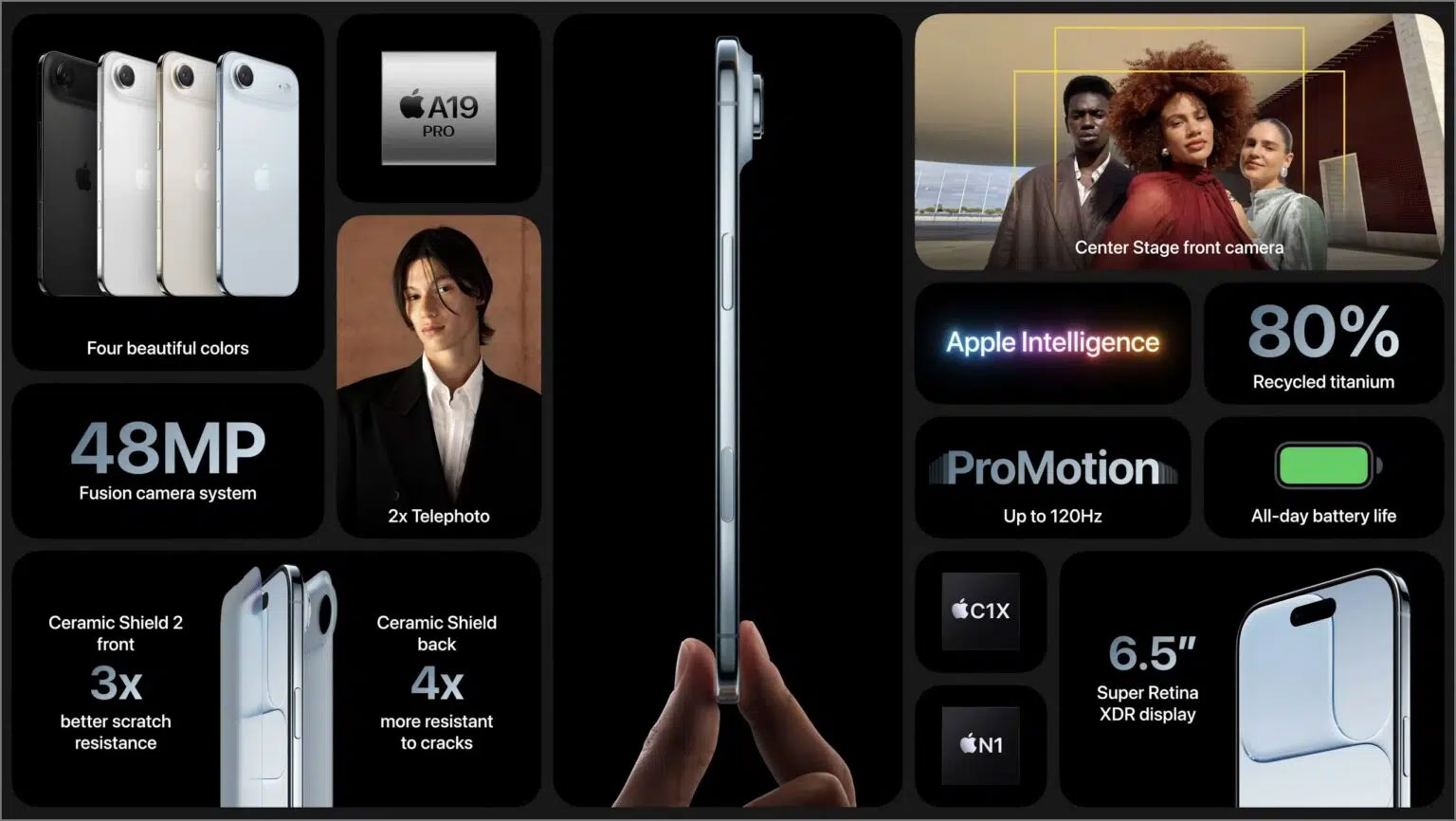
If you've always wanted the speed of a Pro but couldn't afford the size or price, the iPhone Air could be the perfect choice. At just over $1,300, it sits between the base iPhone 17 and the iPhone 17 Pro, and for many, it could be the most exciting iPhone of 2025.
FAQ
What should you know about iPhone 17 air details?
In practical terms, alongside the iPhone 17 lineup, Apple introduced a brand new model: the iPhone Air. This is an ultra-thin iPhone, even thinner than the iPhone 6, with a Pro-grade processor and a price just a little lower than the Pro lineup.
Why does iPhone 17 air details matter?
The article highlights that performance: Professional power in a thin, light body Inside, the iPhone Air is powered by the A19 Pro chip, which is the same power as the iPhone 17 Pro models.
What is the main takeaway?
The main takeaway is that and like the iPhone 17 series, the Air only supports eSIM , supporting more than 500 carriers worldwide.
Related Articles
 iPhone 17 Details: Complete Guide13 minutes read
 iPhone 17 Pro Max Details: Complete Guide9 minutes read
 iPhone 16 Plus Details: What You Need to Know11 minutes read
 Comparing the Configuration of Apple's New iPhone Trio, Xr Is the Most Buffered Smartphone3 minutes read
 How Did Bkav Announce the Details of the Face ID on the iPhone X?12 minutes read
 Fixes the Issue Where Details from Copilot Are Not Working: Explained4 minutes read
Reader Comments 0
Sign in with email or Google to join the discussion.