Table of Contents
As an Android user who has built his entire digital ecosystem around Google devices, adding another operating system can be a huge disruption to his workflow. Sure, Android and Windows sync well thanks to Microsoft's Phone Link app, but there's no room for any Apple devices here.
Still, many people find themselves wanting an iPad. It's not because Android has let them down, or because Android doesn't make good tablets. The iPad offers a unique appeal that Android tablets can't match.
Why can't Android do well on tablets?
One big problem here is the diversity of Android. While this is often a strength on phones, it becomes a major weakness on tablets. With thousands of devices running different versions of Android, developers are faced with the impossible task of optimizing their apps for larger screens. Apps that work well on one Android tablet may crash or look terrible on another. This essentially ruins the user experience on larger screen devices, especially those in the low-end or mid-range price range.
Many Android apps are simply stretched versions of their mobile counterparts. Developers don't invest the resources to create tablet-specific interfaces because there isn't a user community. This leads to people not buying Android tablets because they aren't optimized. It's a vicious cycle that Google has yet to break.
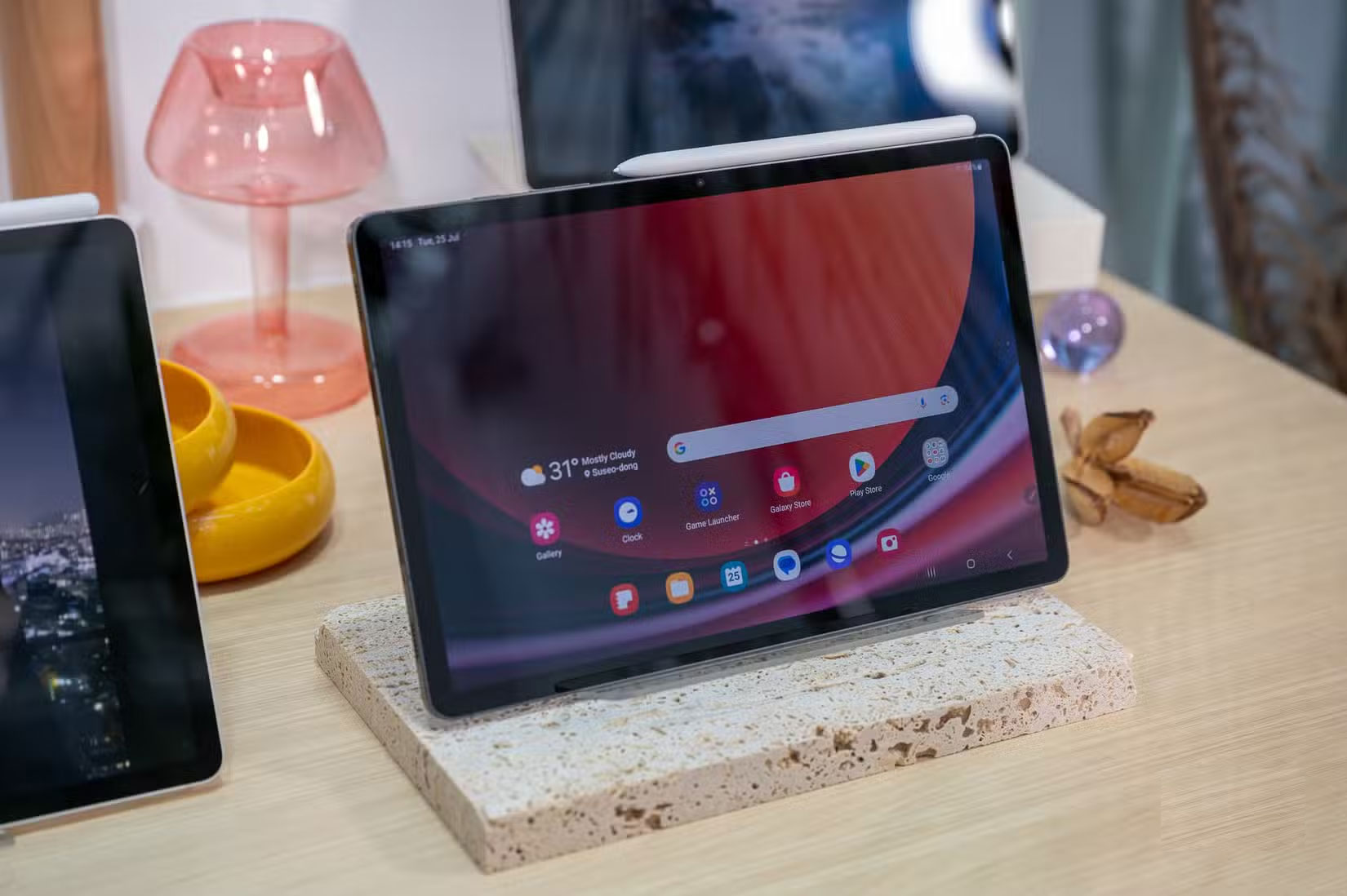
Android tablets also often suffer from performance issues. The same diversity and fragmentation that makes development difficult also means that Android tablets suffer from poor optimization, inconsistent updates, and hardware variations that cause compatibility nightmares.
The iPad does everything a tablet should do
As someone who loves Android to the core, it's hard to say this, but the iPad is simply superior to Android devices in the tablet segment. Because Apple controls both the hardware and the software, there is no fragmentation or disconnected user experience. The iPad delivers a seamless, consistently excellent experience across the entire product line.
Unlike Android, Apple has a dedicated tablet operating system, iPadOS. This means you get a consistent experience across all your iPads. All of your settings, system controls, apps, and everything else work together to take advantage of the larger screen and support iPad-compatible peripherals. There are upcoming features that could even turn your iPad into your primary device.
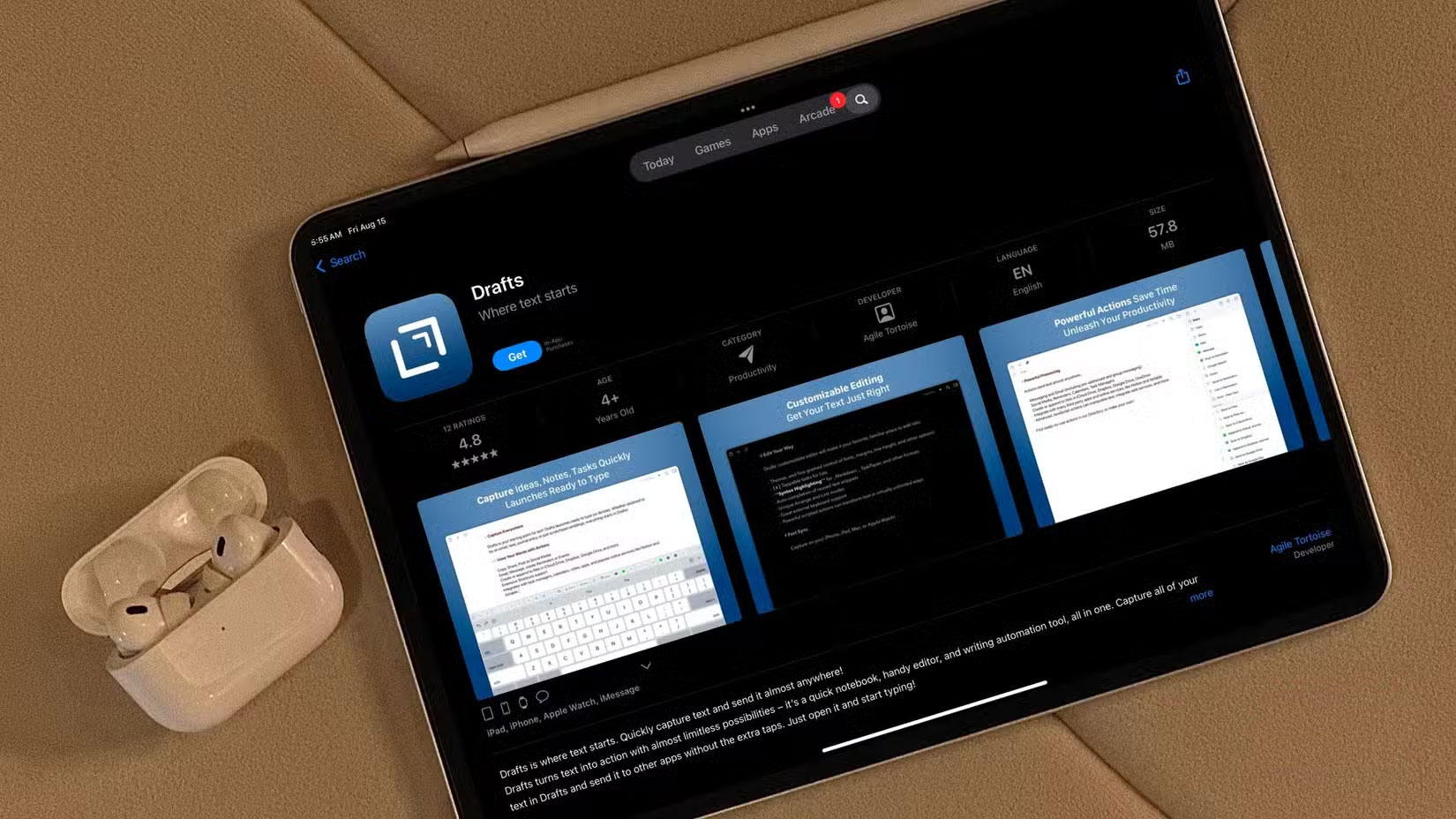
In addition to the user experience, the iPad also has a significantly higher number of uniquely designed apps. These apps take advantage of the larger screen and use layouts that present more information in a user-friendly way, making it feel more natural to use. It's not just the number of apps. The quality of the apps is also better.
Performance and durability are also advantages of the iPad, making the price seem more reasonable. Apple provides software updates for the iPad for five to six years, and those updates are a real value. The iPad also holds up well over time, far surpassing any Android tablet you've used before. Now powered by M-series chips, the best iPads can deliver desktop-level performance, something that's unheard of in comparable Android devices. There are iPads that are decades old and still going strong.
Next is the incredible integration with the Apple ecosystem. Features like Handoff, Universal Clipboard, and AirDrop make the iPad a seamless experience between your iPad and other Apple devices. Despite using Android for everything and Google constantly coming up with new (and sometimes better) alternatives, people really appreciate how easily the iPad can fit into their daily workflow without too much technical setup.
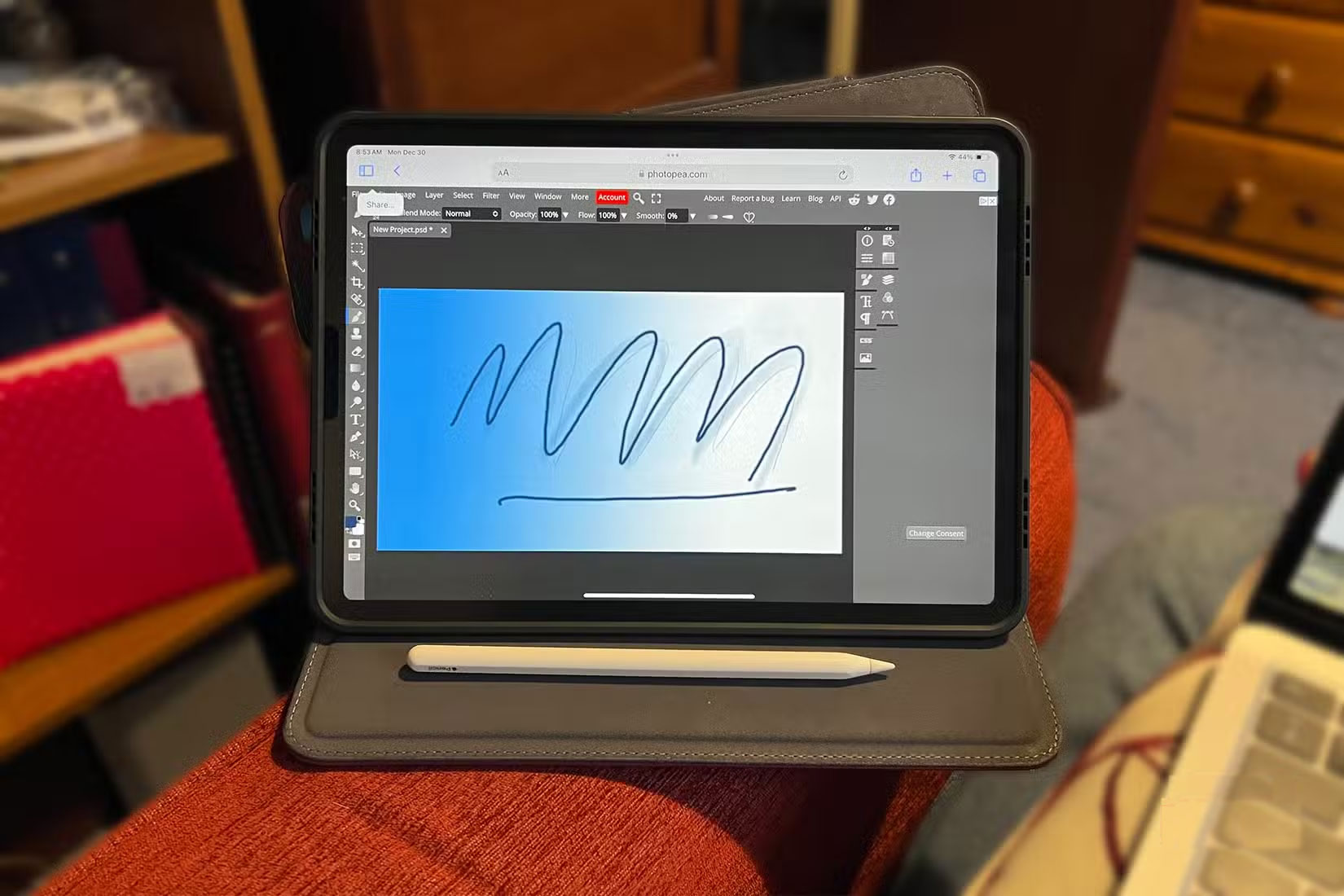
And then there's the accessories. Creative professionals and students love the iPad, and for good reason. The Apple Pencil offers precision and responsiveness that no Android stylus can match.
iPad-exclusive apps like Final Cut Pro, Logic Pro, Procreate, and countless other creative tools also favor the device. The fact that major companies like Adobe continue to prioritize iOS and iPadOS for their creative apps speaks to the platform's strengths.
Final Thoughts
The key takeaway is that Why Do So Many People Use Android for Everything but Still Want an iPad is easier to evaluate when its benefits, limitations, and real-world use are considered together. Review the details above before applying the information to a specific situation.
FAQ
What is the main point of Why Do So Many People Use Android for Everything but Still Want an iPad?
As an Android user who has built his entire digital ecosystem around Google devices, adding another operating system can be a huge disruption to his workflow.
What should you know about Why can't Android do well on tablets??
One big problem here is the diversity of Android. While this is often a strength on phones, it becomes a major weakness on tablets.
What limitations should readers keep in mind?
The answer can depend on the product version, source, use case, and date of publication. Review the article's context and confirm time-sensitive details before applying the information.
Related Articles
 5 Reasons to Switch to Android Tablets6 minutes read
 Why Users Switch From Android Tablets to iPads7 minutes read
 Why Many People Regret Buying iPad Air6 minutes read
 Which iPad Should You Buy?11 minutes read
 Just 10 Years Old, Ipad Has Shown Absolute Overwhelming Position4 minutes read
 What Is the iPad?12 minutes read
Reader Comments 0
Sign in with email or Google to join the discussion.