Table of Contents
This guide explains Fluent Design, why it matters, how it works, and how to evaluate or use it in practical situations.
So what exactly is Fluent Design?
As mentioned, Fluent Design is a multi-platform design language developed by Microsoft, launched in 2017. Fluent Design is an upgraded version of Metro Design and inherits the advantages of Material Design. by Google.
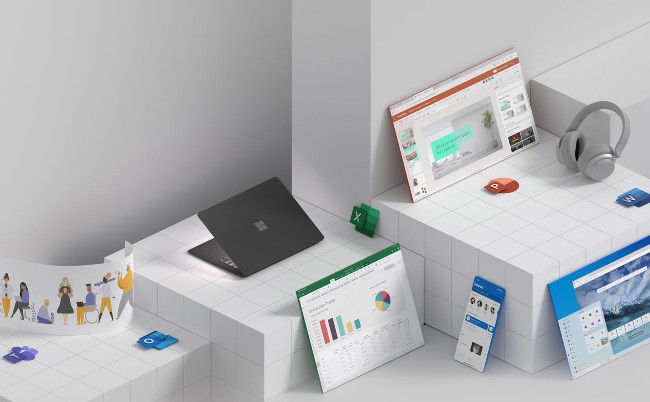 Fluent Design is Microsoft's new design language
Fluent Design is made up of 5 main factors including Light (Light), Depth (Depth), Motion (Motion), Material (Material) and Scalability / Scale (Scale). These elements will help Fluent Design become the optimal design language for virtual reality and new experiences.
Details of what makes Fluent Design
1. Light
In Fluent Design, light is a tool that attracts the attention of the user. Proper and proper lighting layout will help the user interface more friendly and much more beautiful. The highlighted light buttons will guide users to use the right functions, services.
2. Depth
Two elements of Light and Depth help service and application look more beautiful, smoother and more friendly. Instead of flat and dull frames of Metro Design, Fluent Design with reasonable light and depth creates a new, attractive interface for applications, application icons.
3. Motion
Motion is what attracts the attention of the user. The application interface becomes more interesting when the user can see and interact with the moving elements. There are many types of motion in Fluent Design such as digging, fading, parallax (parallax - the display of distant and nearby objects will be different).
 Microsoft's new application icon set is designed in Fluent Design style
- Microsoft explains the meaning of the Fluent Design logo templates that are about to be used on Windows 10
4. Material
With Fluent Design, Microsoft hopes its applications and services can simulate the sensitivity and vitality of materials in the real world. No more bland squares, new materials, translucent patches, also known as Acrylic materials will be a special highlight of Fluent Design.
5. Scalability / contraction
Everything designed on Fluent Design will be scaled according to different form factors, display size and space (0D and 3D). As a result, the application, the object will flexibly display according to the platform it is running on. This is useful for multi-platform applications and services that can run in AR, VR environments.
Turn away from the past, towards the future
In fact, the key elements of Fluent Design are in stark contrast to the flat design of Metro Design. However, Microsoft's new design language retains the neatness of Metro, refreshing the image of Aero, a design language introduced in Windows Vista and Windows 7. Features that Fluent Design "borrows" "Aero words include translucent effects, parallax effects, drop shadows, mouse pointer highlight effects.
 Not only all its applications and services, Microsoft also wants to bring Fluent Design to both AR and VR platforms as well as iOS and Android mobile applications.
With Fluent Design, Microsoft wants to bring physical elements to digital planes and focus to go beyond common design patterns. The ultimate goal of Microsoft is to create a mixed reality, giving users the application interface, natural software, bringing the breath of real life.
FAQ
What should I know about Fluent Design?
Focus on the key features, requirements, limitations, and practical use cases explained in this guide.
How do I get the best results with Fluent Design?
Follow the recommended steps, use current software or information, confirm compatibility, and review settings before major changes.
Are there any risks or limitations?
Potential limitations depend on compatibility, data quality, cost, privacy, support, and how the product or method is used.
Related Articles
 Invite Notepads Experience with the Beautiful Fluent Design3 minutes read
 Microsoft Explains the Meaning of the Fluent Design Logo4 minutes read
 Invite to Admire the Beautiful Windows XP 2018 Concept with Fluent Design Language That Everyone3 minutes read
 Fluent Screen Recorder: Explained7 minutes read
 How to Download Icons According to the Fluent Design on Icons82 minutes read
 The New Fluent Design Style Logo from Microsoft Is Starting to3 minutes read
Reader Comments 0
Sign in with email or Google to join the discussion.