Table of Contents
This updated guide examines Microsoft Redesigned over 100 Logos, Including the 'Legendary' and organizes the essential facts, background, and practical takeaways in clear American English.
On November 12, Microsoft continued to announce that it has redesigned over 100 application icons and its services in the style of Fluent Design, including the familiar Windows logo - promises to bring countless new experiences to users.
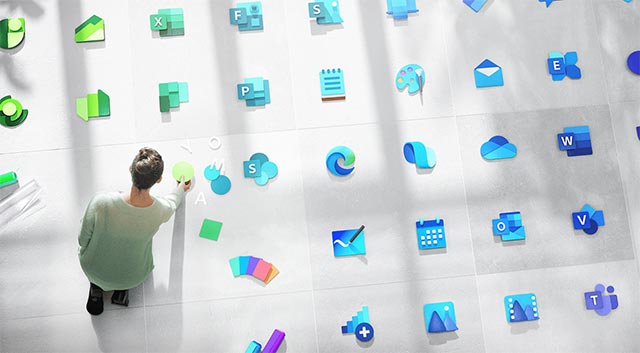
Just like the Office logo series introduced last year, Microsoft's new style logo templates will be applied with some more eye-catching effects such as 'depth', 'slope' and curved lines. Soft to bring the elegance, comfort and aesthetics higher than the old design somewhat 'rough' that Microsoft has repeated since the introduction of Windows 8.
The most notable element is probably the new Windows logo pattern. It can be seen that this logo template is basically not much different from the current logo, but has been added with Fluent Design-style effects such as floating shapes, soft curved corners, for the feeling. More modern and comfortable feel at first glance - a small but subtle change.

Speak more about Fluent Design style. This is a new design philosophy with a modern twist, completely eliminating the dull rectangular planes, with the core of the harmonious combination of 5 main elements: lighting effects, effects depth, motion, materials and ratios. Aiming at breaking up with the stout, stale design that Microsoft has used for years and opening a new future for a more interactive user experience.

Microsoft has not announced specifically when the official application of the new style logo. But the positive aspects of this change will be worth the wait.
FAQ
What is Microsoft Redesigned over 100 Logos, Including the 'Legendary' about?
It provides a structured overview of Microsoft, explains the main context, and highlights practical takeaways for readers.
Why does this topic matter?
Understanding the main concepts helps readers evaluate the issue, avoid common mistakes, and make better-informed decisions.
How should readers use this information?
Use the guidance as a practical starting point, confirm details that may have changed, and follow current product, safety, or security recommendations.
Related Articles
 The New Fluent Design Style Logo from Microsoft Is Starting to3 minutes read
 Microsoft Explains the Meaning of the Fluent Design Logo4 minutes read
 AI Logo Maker, AI Design: Hexa5 minutes read
 Score 50 Logos of Famous Brands That Day and Now2 minutes read
 Instructions for Deleting Logos on Photos7 minutes read
 Top Websites to Create Online Logos, Beautiful, Free Online7 minutes read
Reader Comments 0
Sign in with email or Google to join the discussion.