Table of Contents
There is no single best replacement for Google. The right search engine depends on whether you value broad web and media results, privacy, an independent index, environmental funding, European data practices, or computed answers for technical questions.
Try the same representative queries on two or three services before changing your browser default. Result coverage, local information, and special features can vary by country and language.
Quick comparison
| Search engine | Best fit | Key distinction |
|---|---|---|
| Bing | General web and media search | Microsoft search with web, image, video, map, and AI-assisted experiences |
| DuckDuckGo | Private everyday search | Says it does not save or share search and browsing history |
| Brave Search | Privacy and an independent index | Uses its own web index and does not profile searchers |
| Startpage | Private access to Google-derived results | Delivers unprofiled Google results and offers an Anonymous View option |
| Mojeek | A different independent ranking system | Uses its own crawler, index, and ranking algorithms |
| Ecosia | Search tied to climate funding | Publishes financial reports and funds environmental projects |
| Qwant | European privacy-focused search | French service that says it does not retain search data or sell personal data |
| WolframAlpha | Math, science, and computed facts | Computes answers from a curated knowledge base rather than returning a normal list of web pages |
1. Microsoft Bing
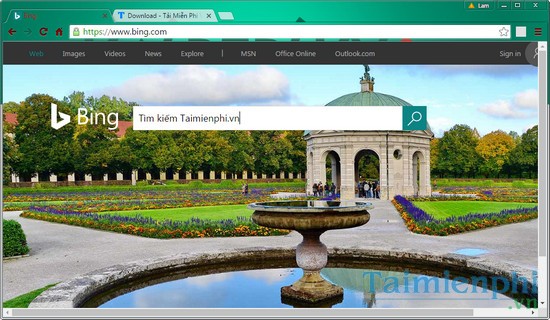
Bing is the closest option on this list to a full general-purpose Google replacement. It covers web pages, images, videos, news, maps, and AI-assisted search experiences. It is a practical second opinion when Google results are repetitive or when visual and video search matter.
2. DuckDuckGo
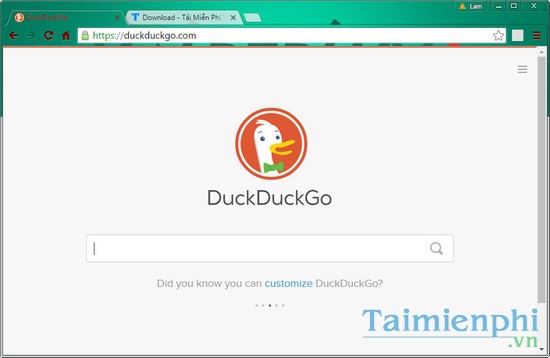
DuckDuckGo focuses on privacy and a familiar general search interface. Its current privacy policy says it does not save or share users' search, chat, or browsing history. It also supports shortcuts called bangs for sending a query to another site.
3. Brave Search
Brave Search is private by default and built around an independent web index. It is useful when you want rankings that are not simply a privacy layer over Google results. Brave also offers AI-generated answer features, so open and verify the cited sources for important claims.
4. Startpage
Startpage is designed for people who want Google-derived results without a personalized Google search profile. Its Anonymous View option can proxy visits to some result pages, although no proxy should be treated as complete protection against every form of tracking or account identification.
5. Mojeek
Mojeek operates its own crawler, web index, and ranking algorithms and states that it does not track searchers. Use it when index independence matters or when you want to see what a smaller ranking system surfaces. For a niche or local query, compare coverage with another engine.
6. Ecosia
Ecosia says it directs its profits to environmental work and publishes monthly financial reports. It suits users who want routine searches connected to climate-action funding. Review the current reports and privacy policy rather than relying on old tree-count or impact figures.
7. Qwant
Qwant is a France-based search service focused on European privacy principles. The company says it does not retain search data or sell personal data. Availability and features can differ by region, so test local and non-English queries before making it your default.
8. WolframAlpha
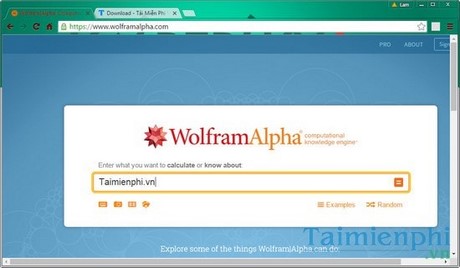
WolframAlpha is a computational knowledge engine rather than a conventional web search engine. It is strongest for calculations, equations, units, scientific data, and structured factual queries. Use a web search engine when you need news, webpages, opinions, or the latest reporting.
Privacy limits to understand
A private search engine can reduce profiling by the search provider, but it does not make all browsing anonymous. When you open a result, the destination website can still receive information such as your IP address, browser details, cookies, and anything you submit or use to sign in. Your network provider and device settings also remain relevant.
Check each provider's current privacy policy, cookie settings, jurisdiction, and use of third-party search data. Claims and product designs can change.
How to choose
- Use Bing for a broad Google-like alternative and rich media results.
- Choose DuckDuckGo for simple private everyday searching.
- Try Brave Search or Mojeek when an independent index matters.
- Use Startpage when you want private access to Google-derived results.
- Choose Ecosia when transparent environmental funding is part of the decision.
- Try Qwant for a European privacy-focused option.
- Use WolframAlpha for computations and structured knowledge.
Improve the query itself with TipsMake's search techniques, compare DuckDuckGo and Google, or set up browser shortcuts to use multiple search engines.
Related Articles
 The Best Search Engine 2018: Search Engines Replace Google6 minutes read
 Search Engines May Not Know You Yet11 minutes read
 The Hidden Search Engines of Google You Don't Know1 minutes read
 Search for What When Google 'Sudden Death'?3 minutes read
 Protect Yourself Against Search Engines!10 minutes read
 Google Pays Apple Billions of Dollars to Be the Default Search Engine on IDevice3 minutes read
Reader Comments 0
Sign in with email or Google to join the discussion.