Table of Contents
This updated guide examines To Use the 'Clean' Internet, Users Will Have to Pay 35 Usd // and organizes the essential facts, background, and practical takeaways in clear American English.
But the problem is that users often don't know exactly how much their personal data is being collected by Internet companies, what they are used for, where they are stored, and where they are stored. protected or not.
Of course, in addition to advertising, it is not possible to exclude the possibility that such data is attacked by hackers for other nefarious purposes.
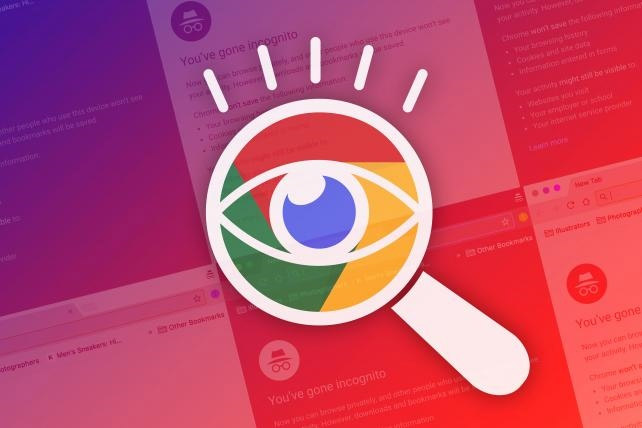
According to the Washington Post, Google is using its Chrome browser as a user tracking tool, and it is also being used by many other external data mining operators.
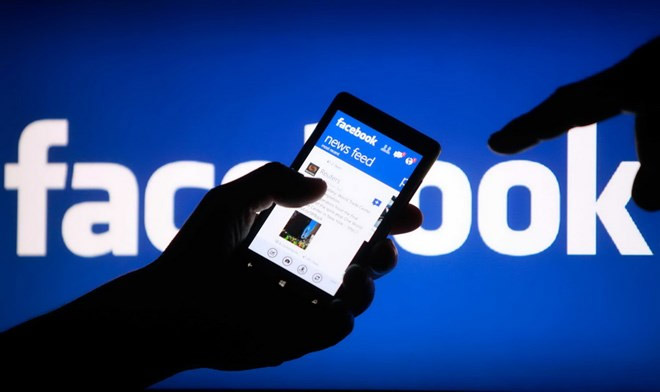
Facebook in the past has been constantly entangled in scandals related to user data leakage. Today, the company is also being sued for failing to protect the login and contact information of 30 million users.
- Facebook admits storing millions of user passwords in plain text
- Facebook announced that 29 million accounts were actually stolen and this is a way to discover
It is for these reasons that on June 24, two US senators from both Democrats and Republicans submitted bills that required Internet companies like Facebook, Google and Amazon to work. declare the actual financial value of user data they are exploiting.
This is a question that many people ask, how much advertisers pay for content on the Internet, including products and services and information content, entertainment provided to users.

Advertising is the driving force for technology users to collect data so violently. Without advertising, they will have to find another way to compensate for the loss of money and charge the service to users as the best option. So what exactly is the fee?
This is a difficult question, no one can give the correct answer. But Vox magazine estimates that this number is about 35 USD / month.
US digital media companies such as Facebook, Google and electronic newspapers estimate to receive a total of $ 106 billion in advertising revenue in 2019. To make up for this amount, every citizen matures in the US ( about 250 million people) will pay a fee of 420 USD per year, ie about 35 USD / month / person to use the "clean" Internet, ie the Internet does not advertise and is not collected personal data.
Facing the question of considering the possibility of offering non-advertising service versions, Amazon and Google declined to answer and Facebook proposed paying users to share their personal information.
Based on the average revenue from advertising per capita in the US and Canada in the past quarter, it is estimated that in USD 35 / month, about USD 10 / month is divided by Facebook. Google estimates are harder to identify because Google 's business areas are more diverse than Facebook, but it will be a bigger share.
Other online advertising giants enjoy the rest and perhaps the "smallest piece" belongs to the press agencies.
FAQ
What is To Use the 'Clean' Internet, Users Will Have to Pay 35 Usd // about?
It provides a structured overview of collect user data, explains the main context, and highlights practical takeaways for readers.
Why does this topic matter?
Understanding the main concepts helps readers evaluate the issue, avoid common mistakes, and make better-informed decisions.
How should readers use this information?
Use the guidance as a practical starting point, confirm details that may have changed, and follow current product, safety, or security recommendations.
Related Articles
 Steps to Fix 'Getting Windows Ready' Error on Windows 107 minutes read
 How to Clean Silicone Phone Cases: Complete Guide7 minutes read
 MONTH Function in SQL Server: Tips and Examples2 minutes read
 Do You Know Why the Lunar July Is Called the Month of the Soul5 minutes read
 How to Fix 7 Ways to Fix 'Getting Windows Ready' Error on Windows8 minutes read
 Satellite Internet: Complete Guide4 minutes read
Reader Comments 0
Sign in with email or Google to join the discussion.