Table of Contents
This guide provides a clear overview of macbook crashes, including the main concepts, practical steps, and common questions. Use it to understand the topic, compare the available options, and make a more informed decision.
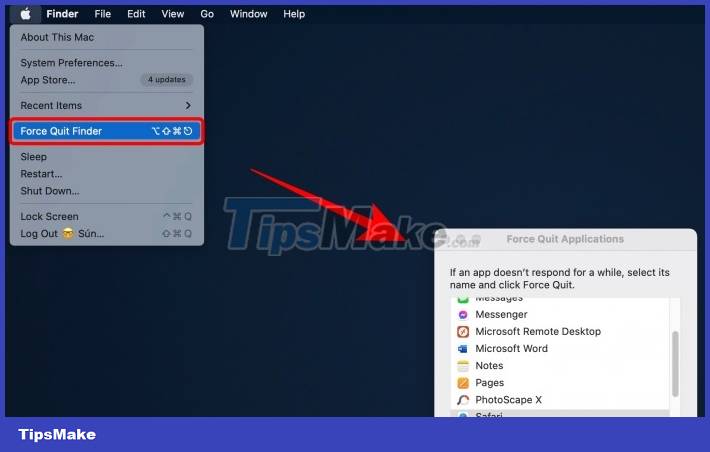
You click on the Apple logo on the left corner of the screen > Click Force Quit. At this point, on the screen of your Mac device, a small window will appear showing running applications. You can select and tap Force Quit.

Alternatively, you can activate this window by pressing Command + Option + Escape
This way is quite easy to do and you can turn off frozen applications at any time, saving a lot of time compared to complicated operations on the Activity Monitor application or other difficult key combinations. Note that the Force Quit application process can take place quickly or slowly depending on the status of each of your devices, after Force Quit an application, you have to wait for a short time (~ 5 to 10 minutes) for the application to be completely shut down.
If this is a useful article, don't forget to share this Mac tip with your friends. Good luck.
Conclusion
Understanding Macbook Crashes makes it easier to compare options, avoid common mistakes, and apply the information in this guide more effectively. Review the relevant requirements before making changes or choosing a solution.
FAQ
What is Macbook Crashes?
If this is a useful article, don't forget to share this Mac tip with your friends.
Why is Macbook Crashes important?
Understanding Macbook Crashes helps you evaluate features, compatibility, performance, and potential limitations before you choose a product or follow a procedure.
What should you consider when using or choosing Macbook Crashes?
Consider your specific goal, compatibility requirements, available features, cost, security, and the practical recommendations described in this guide.
Related Articles
 3 Ways to Turn Off Suspended Applications on Windows 115 minutes read
 How to Quit Quickly and Effectively: Quit Smoking6 minutes read
 Should You Close Apps on Mac Often? Here's the Answer: Complete Guide5 minutes read
 How to Force Quit an Application on a Mac4 minutes read
 How to Quit All Open Applications on Mac with One Click5 minutes read
 Ways to Turn Off Hanging Applications on Windows 1110 minutes read
Reader Comments 0
Sign in with email or Google to join the discussion.