Table of Contents
Using the Function Lock Key
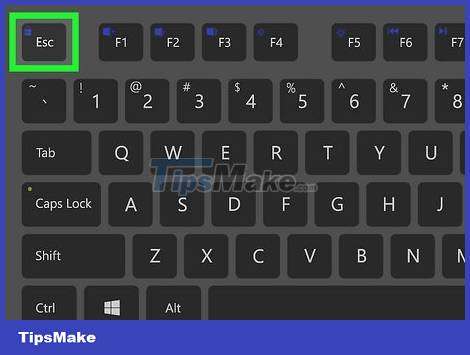
This practical guide explains how to use function keys without pressing fn on windows 10 with clear steps and useful context. It also covers common requirements, potential problems, and the details that can help you get better results.
For example, on a Lenovo ThinkPad, the Esc key will have "FnLk" below it, which means you can use the Esc key as a function lock key.
Not all keyboards have a Function Lock key, so this method only works in certain cases.
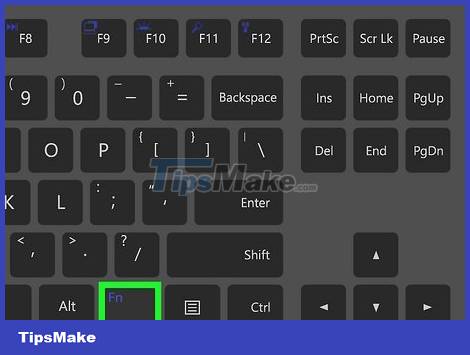
Hold down the Fn key. Hold down this key on your keyboard and continue to the next step.
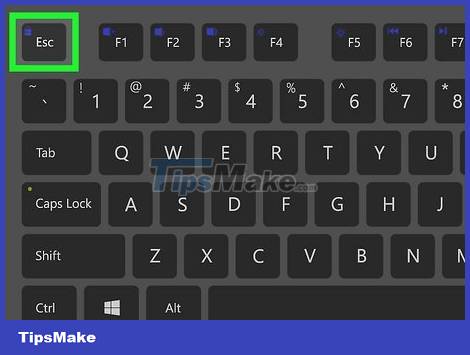
Press the Fn Lock key. When you release your hand, the Fn key will no longer be needed to use the F1 to F12 keys.
You can restore the factory settings at any time by pressing this key combination again.
Change BIOS Settings

Access the system BIOS or UEFI. Depending on your computer manufacturer and BIOS version, you can change the behavior of the function keys in the BIOS. Start by booting into the BIOS. The standard method to proceed is to restart the PC and press the required key (usually F1, F2, F10 or Del). However, most modern Windows 10 PCs have an easier way like this:
Press the Windows + I key combination to open the Settings section.
Click Update & Security (Windows 10).
Click Recovery in the left pane.
Click Restart now located under "Advanced startup" in the right pane.
Click Troubleshoot.
Click Advanced Options.
Click on UEFI Firmware Settings and select Restart. The PC will boot into the BIOS.
If you don't see the option to install UEFI, search for your computer model to determine the key you need to use to access the BIOS.
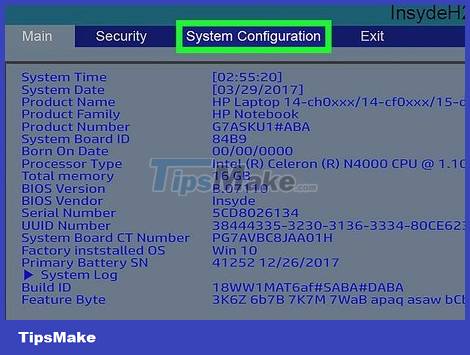
Select Configuration or System Configuration. You can use the arrow keys on your keyboard to navigate, then press Enter to select.
If you don't see the option above, look for System Options or something similar.
You may need to select the Advanced menu first.
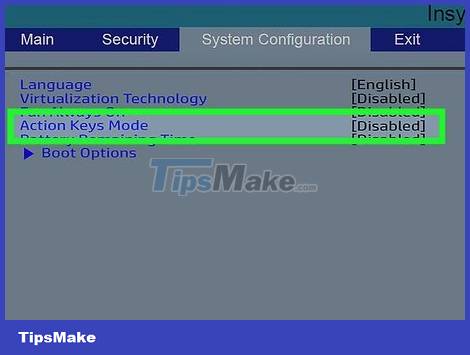
Set "Hotkey Mode" or "Action Keys" to Disabled. Feature names will vary by manufacturer. When this feature is disabled, you will no longer need to press the FN key to use the keys F1 to F12.
When you press the FN key together with one of the keys F1 through F12 triggers the action. For example, the FN + F10 key combination will enable/disable airplane mode (with the airplane icon on the MSI keyboard).
This feature can be re-enabled at any time by accessing the BIOS.
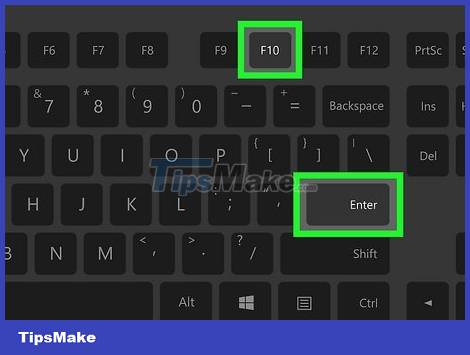
Press F10 and then Enter to save. The settings will be saved, and reboot into Windows. Now, you won't need to press the Fn key to use the F1 to F12 keys anymore.
If you want to use keyboard hotkey functions, such as Wi-Fi on/off or volume, you can still press Fn with the associated key (F1 to F12).
Conclusion
Understanding Fn Key makes it easier to compare options, avoid common mistakes, and apply the information in this guide more effectively. Review the relevant requirements before making changes or choosing a solution.
FAQ
How do you use function keys without pressing fn on windows 10?
Follow the steps in this guide in order, confirm the required settings or tools, and verify the result before making additional changes.
Is it safe to use function keys without pressing fn on windows 10?
It is generally safe when you follow the recommended instructions, use trusted tools, and avoid changing settings you do not understand.
What should you do if the process does not work?
Recheck the requirements, restart the device or application when appropriate, and review each step for missed settings or compatibility issues.
Related Articles
 How to Change the Function of the Fn Key on Windows 10 and 117 minutes read
 What Is the Function of the F1 to F12 Keys on Windows?10 minutes read
 How to Use Function Keys in Microsoft Excel7 minutes read
 Steps to Fix Fn Key Not Working in Windows 106 minutes read
 Summary of the Features of Fn Keys on Laptops7 minutes read
 Change Speaking or Typing into Cortana When You Press Win + C in Windows 103 minutes read
Reader Comments 0
Sign in with email or Google to join the discussion.