In the article below, Network Administrator will show you some ways to quickly access the Settings application on Windows 10.
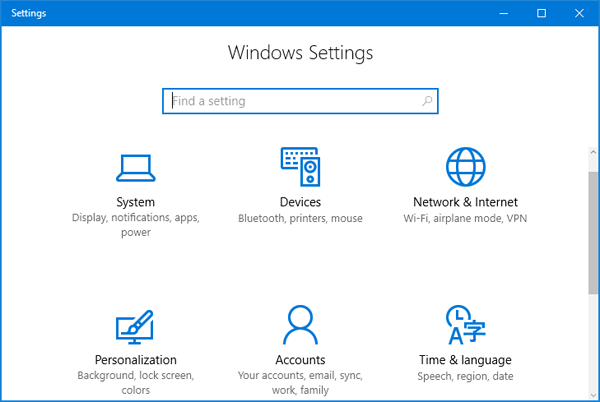
1. Use Keyboard Shortcuts
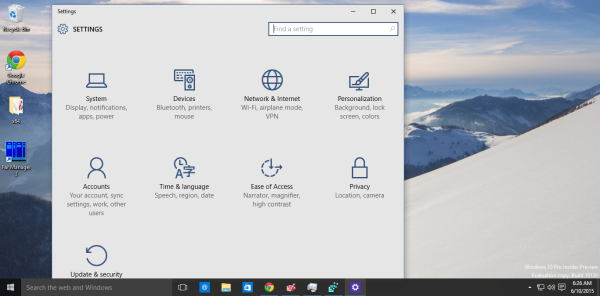
To open the Settings app on Windows 10 fastest, you just need to press the Windows + I key combination.
2. Open the Settings App from the Start Menu
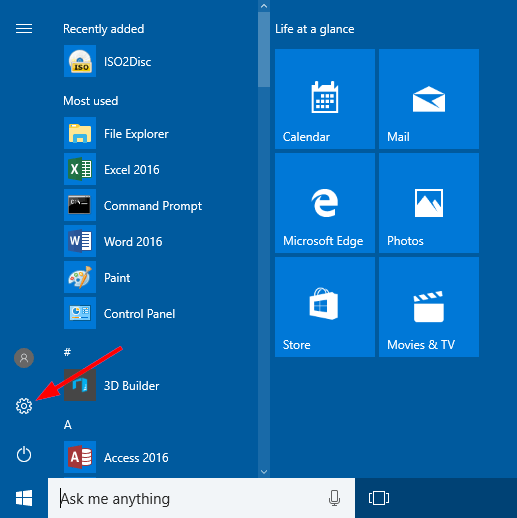
Click the Start button. At this time, the Start Menu window appears on the screen, find and click the Settings icon (small cog icon) located near the bottom left corner. And the Settings app will launch immediately.
3. via Power User Menu

Right-click the Start button in the bottom left corner of the screen, then click Settings .
4. Open the Settings App from This PC

On Windows 10, there is an additional This PC folder that contains the Open Settings icon on the Ribbon. On previous versions of Windows, there was a command to open Control Panel. On Windows 10, Microsoft integrates the Settings application to completely replace the classic Control Panel. Open This PC , and you can open Settings from the Ribbon.
5. Search for the Settings Application with the Windows Search Tool
You can search for any app installed on your Windows 10 PC from the default Windows Search tool — including the Settings app.
Just enter the keyword ' Settings ' into the Windows Search bar and click on the ' Settings ' application from the returned search results.
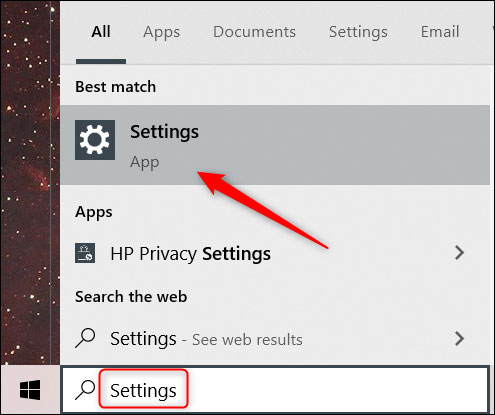
The Settings interface will immediately open.
6. Access the Settings Application from the On-screen Context Menu
Another quick way for you to access the Settings app is from the context menu on the desktop. First, right-click anywhere on the home screen and a context menu will appear. At the bottom of this menu, click ' Display Settings ' or ' Personalize '.
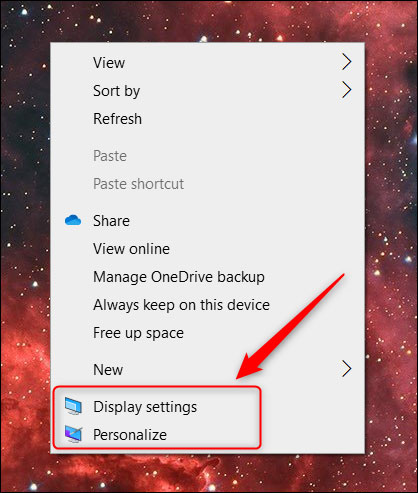
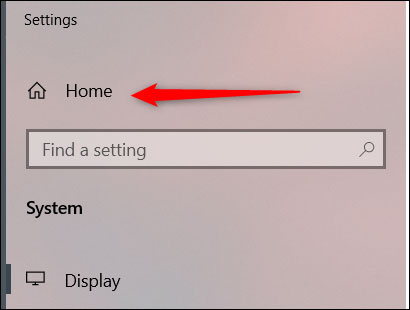
Immediately the corresponding option will open in the Settings application. From here, simply click ' Home ' to go to the main interface of the Settings app.
7. Ask Cortana to Open Settings
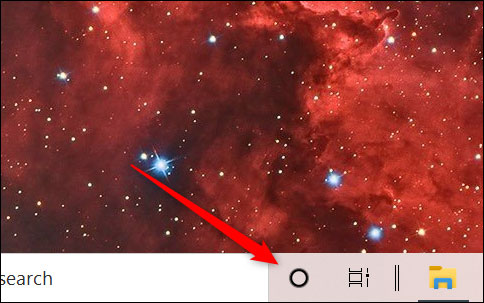
You can also ask virtual assistant Cortana to open the Settings app for you. First, click the Cortana icon on the Taskbar (or search for it in the Windows Search bar) to launch the virtual assistant application.
Next, click the microphone icon in the bottom right corner of the application window.
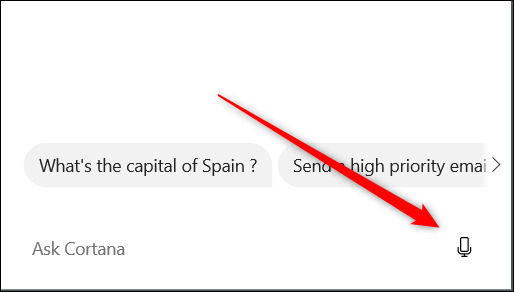
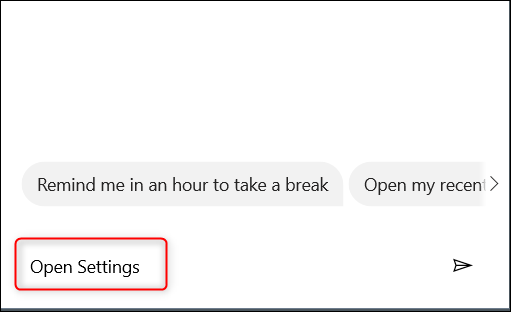
Now, you just need to say ' Open Settings ' and Cortana will do the rest. Or if your computer doesn't have a microphone, just enter the keyword ' Open Settings ' in the text box and press ' Enter '.
8. Use Action Center
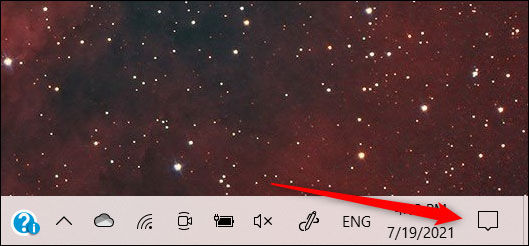
There is also another way to launch the Settings app from Action Center. First, click the text icon in the bottom right corner of the screen to open the Action Center.
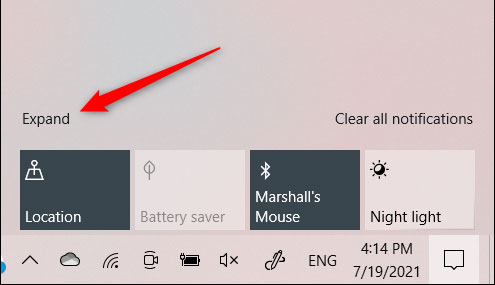
Next, click ' Expand ' in the bottom left corner of the Action Center interface.
The list of options will expand. Click ' All Settings '.
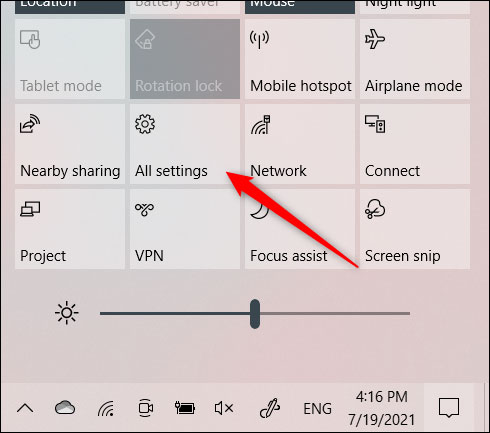
The Settings application will now open.
9. Use Task Manager
You can open all kinds of Windows apps from Task Manager — including the Settings app.
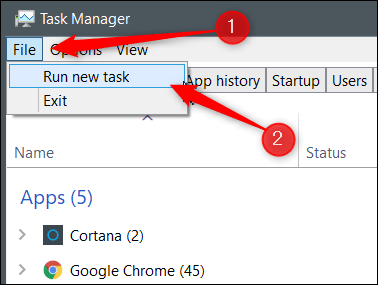
First, open Task Manager using the keyboard shortcut Ctrl + Shift + Esc . In the Task Manager interface, click the ' File ' tab and then select ' Run New Task ' from the drop-down menu.
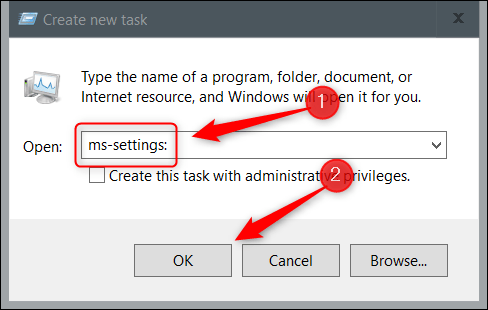
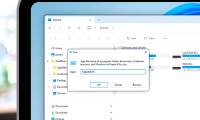
The Create New Task window will appear. In the text box, you enter ' ms-settings: ' and then press ' OK '.
The Settings application will immediately open.
10. Open Settings via Windows PowerShell
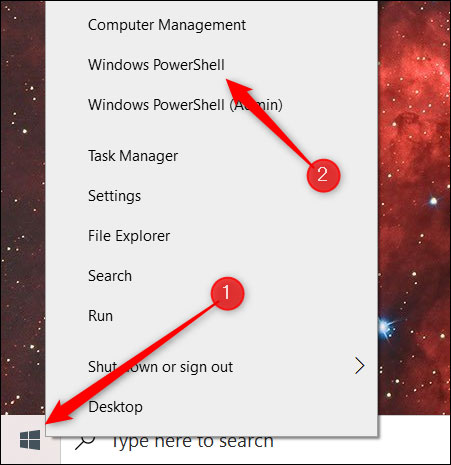
If you prefer using Windows PowerShell over Command Prompt, you can still open the Settings app by running a simple command. First, open Windows PowerShell by right-clicking on the Windows icon in the lower left corner of the screen. This will open the Power User menu. Here, click on ' Windows PowerShell '.
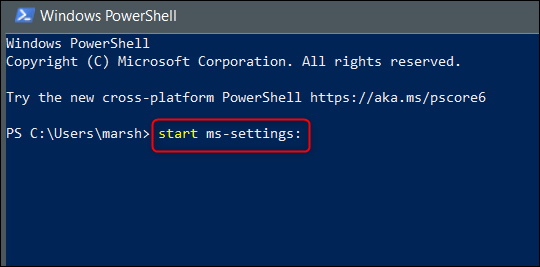
In the Windows PowerShell window that opens, run this command:
start ms-settings:
The Settings application will immediately open.
11. Open the Settings Application via Command Prompt
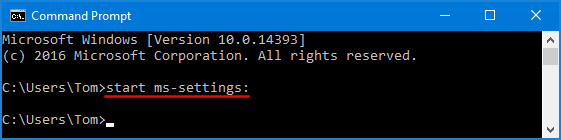
On your Windows 10 computer, open Command Prompt (or PowerShell). Then enter the command below into the Command Prompt window:
start ms-settings:
Press Enter and Windows 10 will immediately open the Settings app.
12. Open Settings Through the Run Command Window
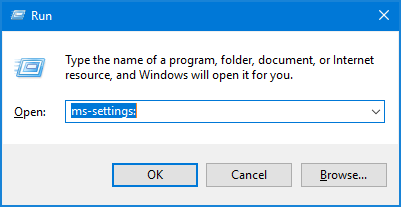
Press the Windows + R key combination to open the Run command window. Then enter the command below into the Run window and press Enter:
ms-settings:
Immediately on the screen will appear the Settings application window.


Reader Comments 0
Sign in with email or Google to join the discussion.