Table of Contents
This updated guide explores quick security check to make sure your Gmail account can be recovered with practical details, clear explanations, and useful takeaways. Losing access to your Gmail account can be like losing the keys to your entire online life. Before disaster strikes, take a few minutes to ensure you can recover your account quickly and securely.
5. Check Your Recovery Email and Phone Number Again

A recovery email and phone number are your lifelines in case something goes wrong. Without them, regaining access to your Gmail account can be a nightmare of forms and dead ends. You'd be surprised how many people set up their Gmail years ago, linked an old college email or a now-defunct phone number, and never looked back.
Take a moment to double-check that both your recovery email and phone number are working. Sign in to your Google account settings, open Manage your Google Account , then choose the Security tab. Under How you sign in to Google , you'll find your recovery phone number and email. Review them to ensure they're correct.
If you've changed your phone number or stopped using a secondary email, update it immediately. it is a small step that can save you many trouble later.
4. Ensure Your Passwords Are Strong and Updated

Weak or outdated passwords only benefit potential hackers. Even if you think your password is 'good enough,' it is worth taking a fresh look. Strong passwords should be long and include uppercase and lowercase letters, numbers, and symbols.
Still, strength isn't just about complexity; it is also about uniqueness. If you reuse a password from another site, you're putting your Gmail account at serious risk.
If you haven't updated your password in a while, this is a sign to do so. Choose a password that is easy to remember but impossible to guess. Avoid obvious passwords like your birthday, pet's name, or anything you might reveal in a quick social media scroll. Better yet, use a trusted password manager or online password generator to help you create strong passwords.
3. Review the Devices Logged into Your Account
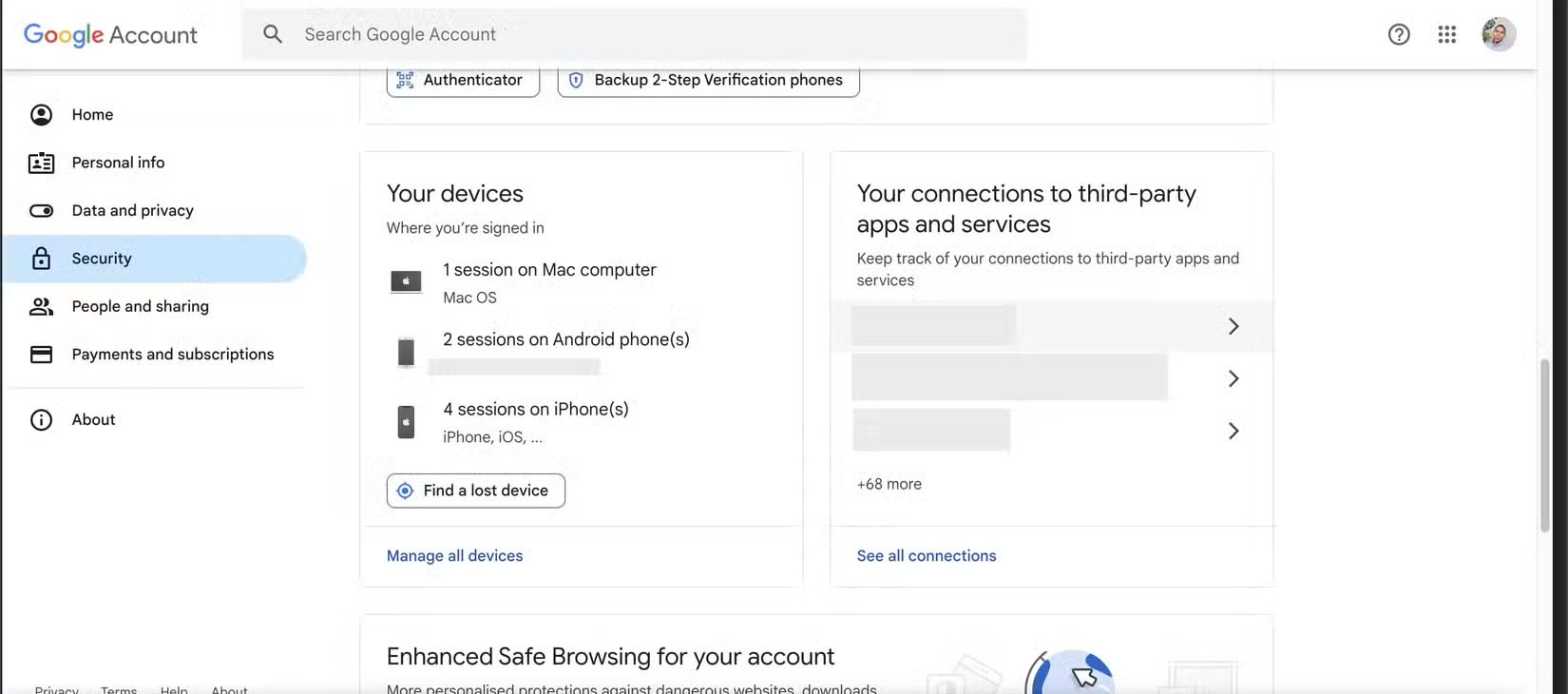
Another important but often overlooked step is to review which devices are currently logged into your Gmail account. If you haven't checked in a while, you might find some surprises, like an old phone you no longer use or, worse, a device you do not recognize.
To check, open your Google account settings and under the Security tab, look for Your devices . Here, Google lists every device that has recently accessed your account. Catching unauthorized access early can mean the difference between a quick fix and a full recovery nightmare.
If you spot any unfamiliar devices, do not panic. select them and select the Sign out option. Then change your password immediately. It is best to regularly trim this list by signing out of devices you no longer use to ensure that only trusted devices have access to your account.
2. Turn on Two - factor Authentication
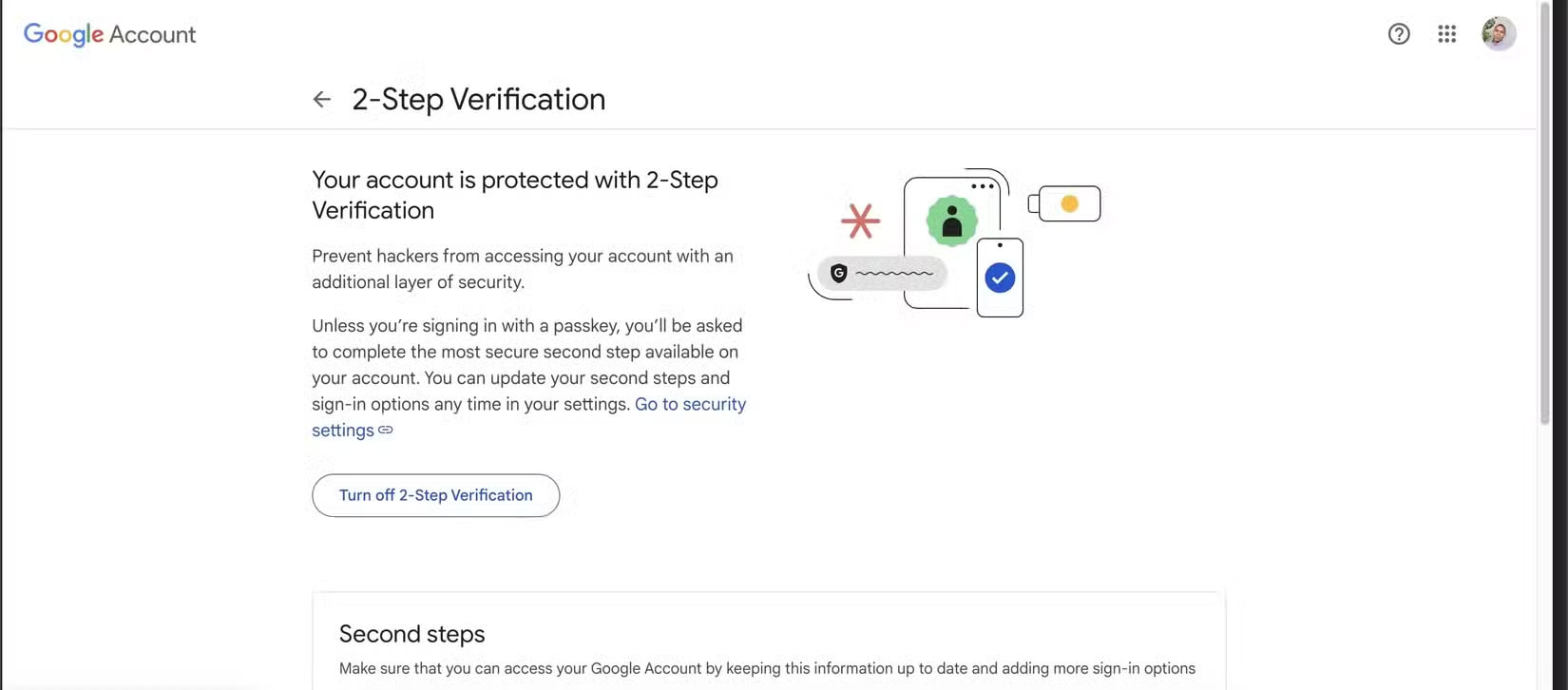
If you're serious about keeping your Gmail account secure, two-factor authentication (2FA) is essential. it is one of the most effective defenses against unauthorized access because it requires more than just your password. Even if someone steals your password, they'll still need the second factor, usually your phone, to get in.
To enable 2FA, open your Google account in the Security tab and look for 2-Step Verification . Follow the prompts to set it up using a text message, an authenticator app like Google Authenticator, or a physical security key for maximum protection. Using an authenticator app is generally more secure than SMS, as phone numbers can sometimes be spoofed.
Failure to enable two-factor authentication can lead to account hijacking, which can have serious consequences.
1. Keep the Backup Code in a Safe Place
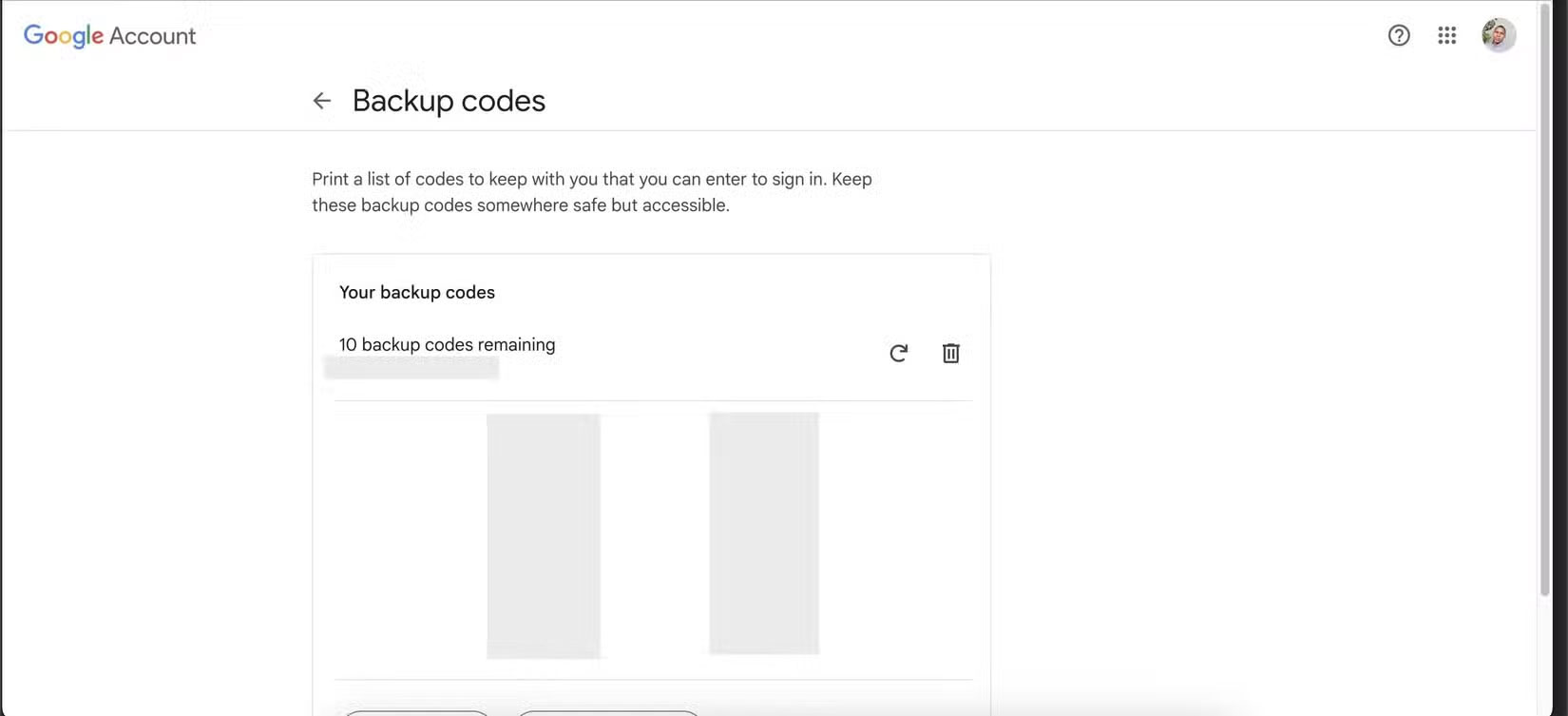
Even with two-factor authentication, It is best to still be prepared for the unexpected. What if you lose your phone or lose access to your authenticator app? that is where backup codes come in. Google offers a set of one-time codes that can help you regain access when your regular methods fail.
After setting up 2FA, Google will give you the option to download or print your backup codes. Store them somewhere offline, like a locked drawer or a secure digital vault that does not sync to the cloud. The goal is to keep them out of reach of cyberthreats but accessible when you need them most.
Securing your Gmail account does not have to be complicated or time-consuming, but it does require a little attention before problems arise. it is a simple habit that will help protect everything valuable inside. Take a few minutes to review your settings, update anything that is out of date, and set up a smooth recovery if you need to! You'll be glad you did in the future.
FAQ
What is the main takeaway about Quick Security Check to Make Sure Your Gmail Account Can Be Recovered?
The key is to understand the core idea, compare the available options, and apply the practical guidance that matches your situation.
What should beginners know about Quick Security Check to Make Sure Your Gmail Account Can Be Recovered?
Start with the essential steps and terminology. Avoid changing advanced settings until you understand how they affect performance, privacy, cost, or compatibility.
How can I use this information in practice?
Follow the relevant section in order, test one change at a time, and confirm the result before moving to the next step or recommendation.
Related Articles
 How to Check the Login Activity of Gmail: Gmail Security3 minutes read
 Instructions for Quickly Transferring Gmail Accounts with the2 minutes read
 How to Hack Gmail: Step-by-Step Guide9 minutes read
 Comprehensive Gmail Security Guide8 minutes read
 Instructions for Adding Recovery Email to Gmail3 minutes read
 Exit Gmail, Log Out of Your Gmail Account, Logout Gmail Remotely4 minutes read
Reader Comments 0
Sign in with email or Google to join the discussion.