Table of Contents
Use Files by Google to review large downloads, screenshots and cleanup suggestions on Android. The amount of space you recover depends on what is stored on your phone; no cleanup app can promise several gigabytes. Check each selection before deleting, especially photos, documents and offline downloads.
Open the correct Files app
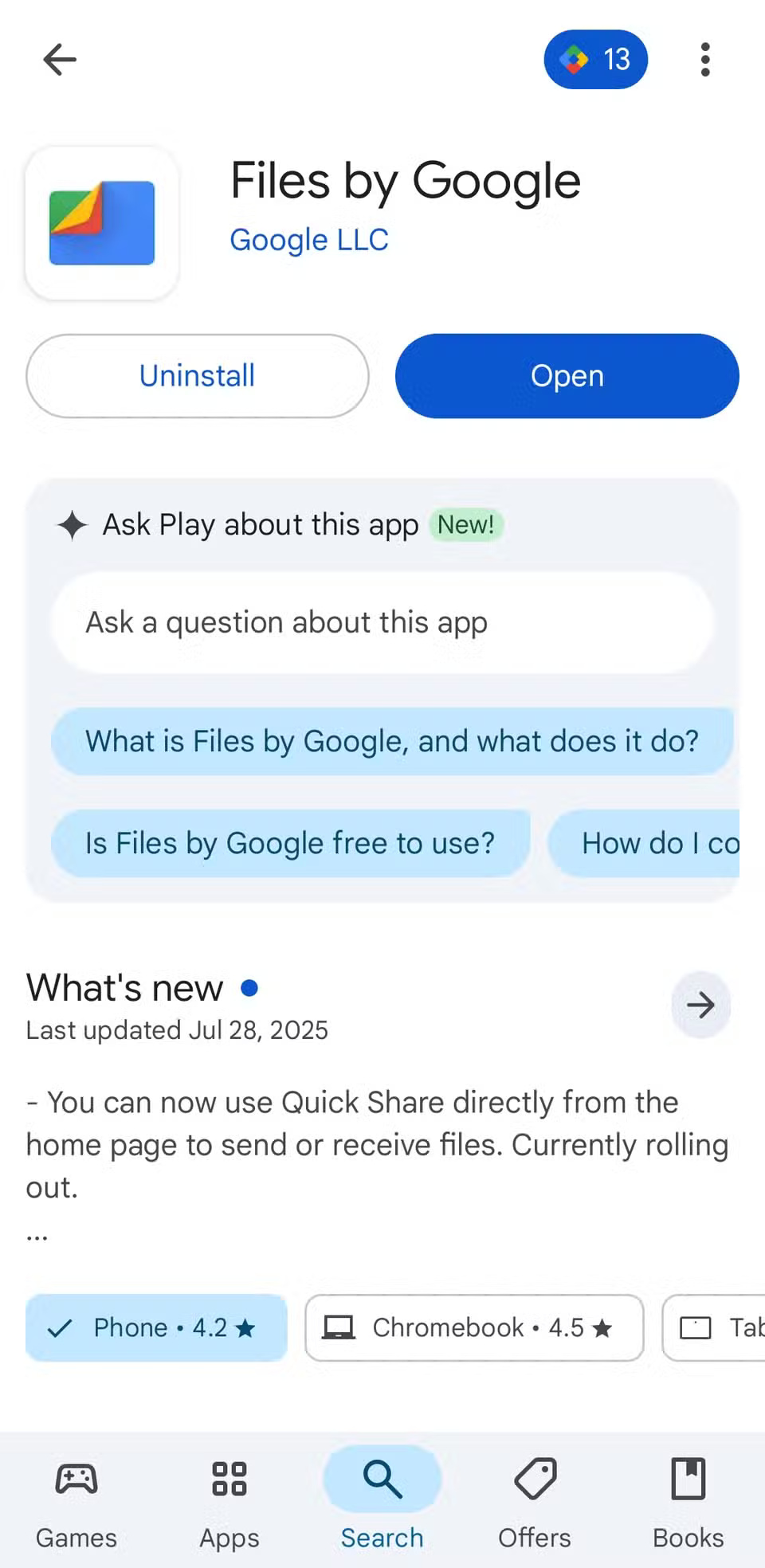
Look for Files by Google on your phone, or install the official app from Google Play if your device supports it. Your phone may also have a manufacturer’s file manager with different controls and its own trash.
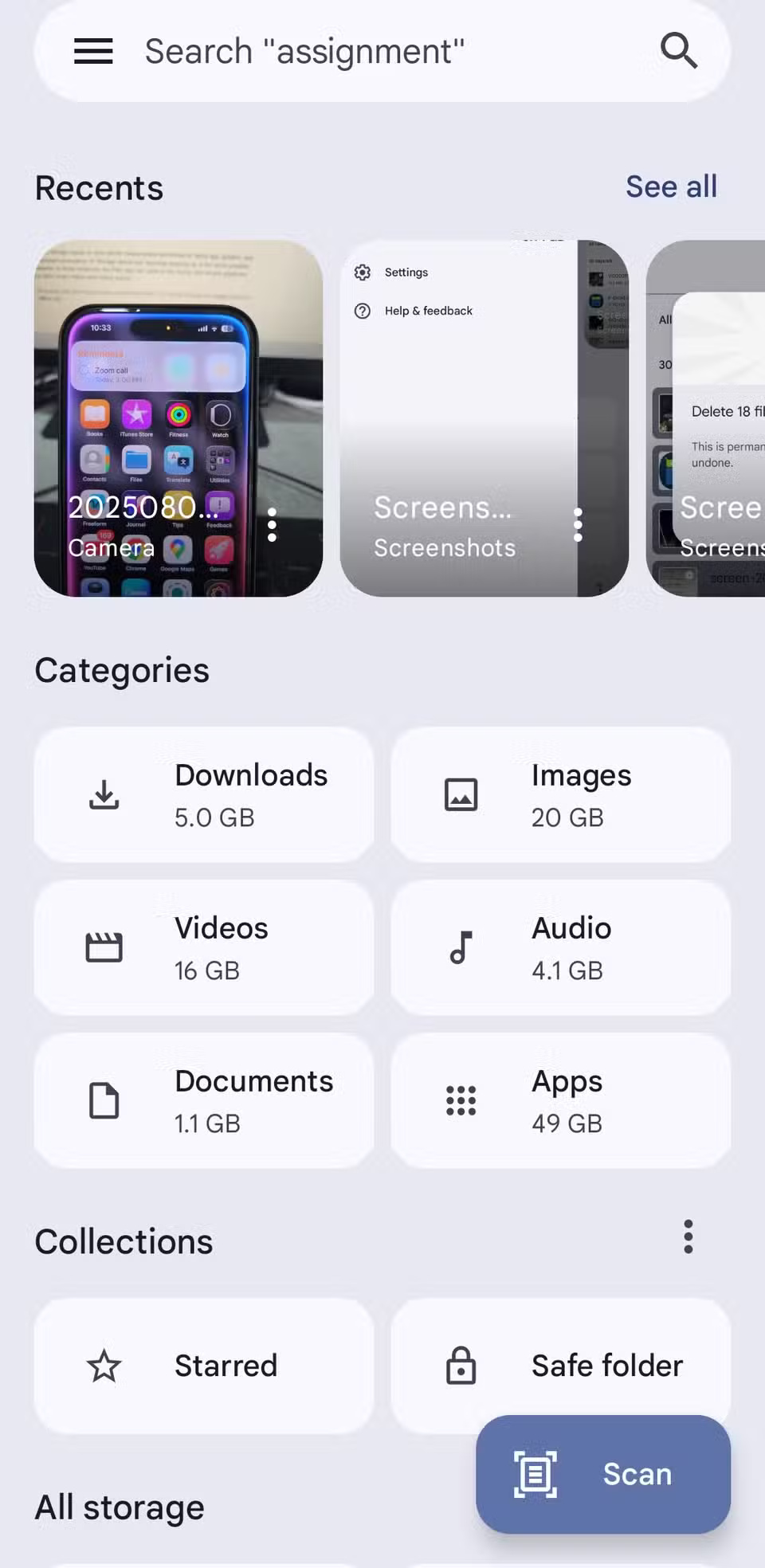
Review the Clean suggestions
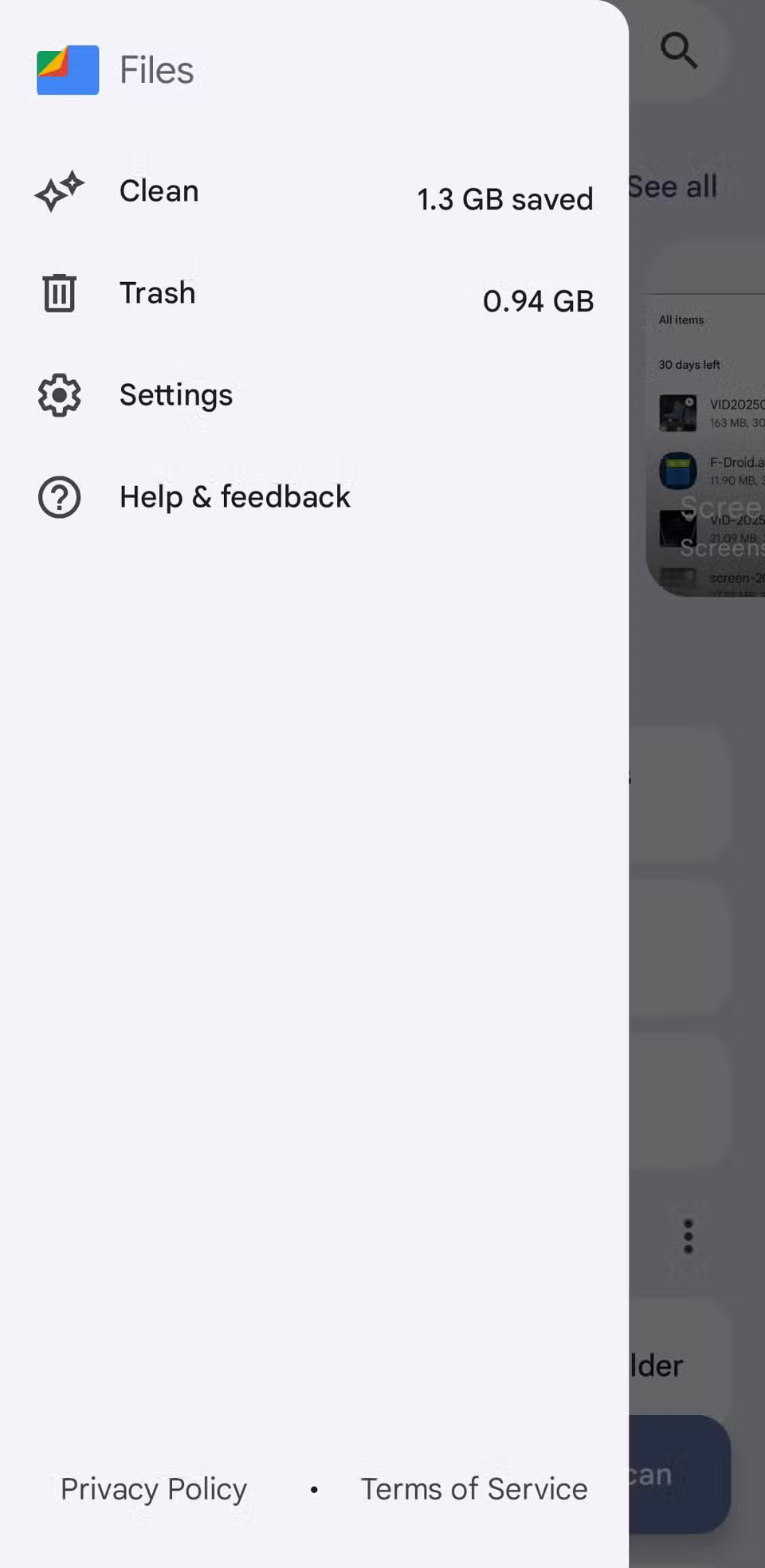
- Open Files by Google and find Clean, often in the menu.
- Review the storage summary and available suggestion cards.
- Open a category and preview the files rather than selecting everything.
- Remove only items you no longer need, checking the confirmation dialog for whether they go to Trash or are deleted permanently.
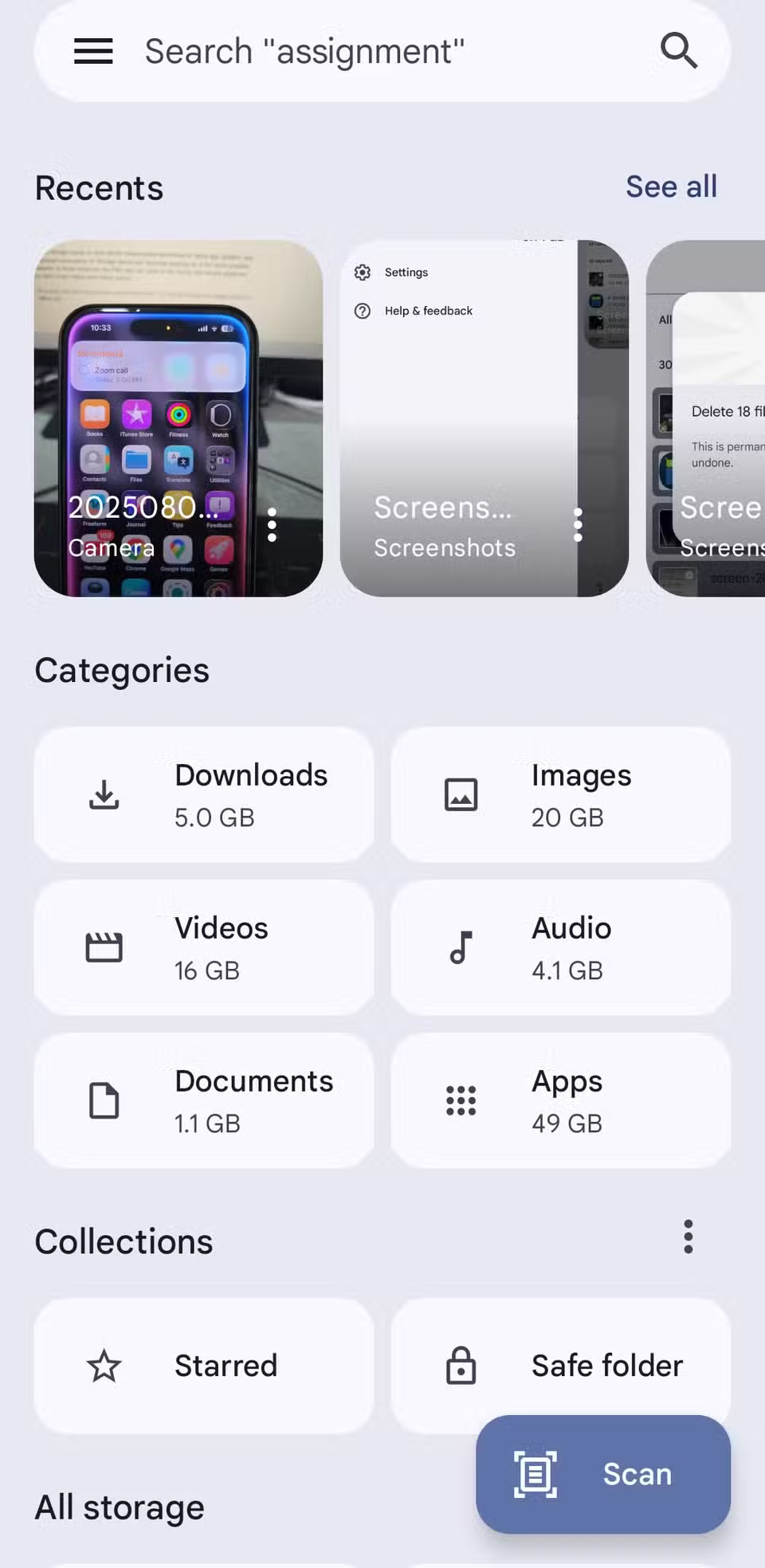
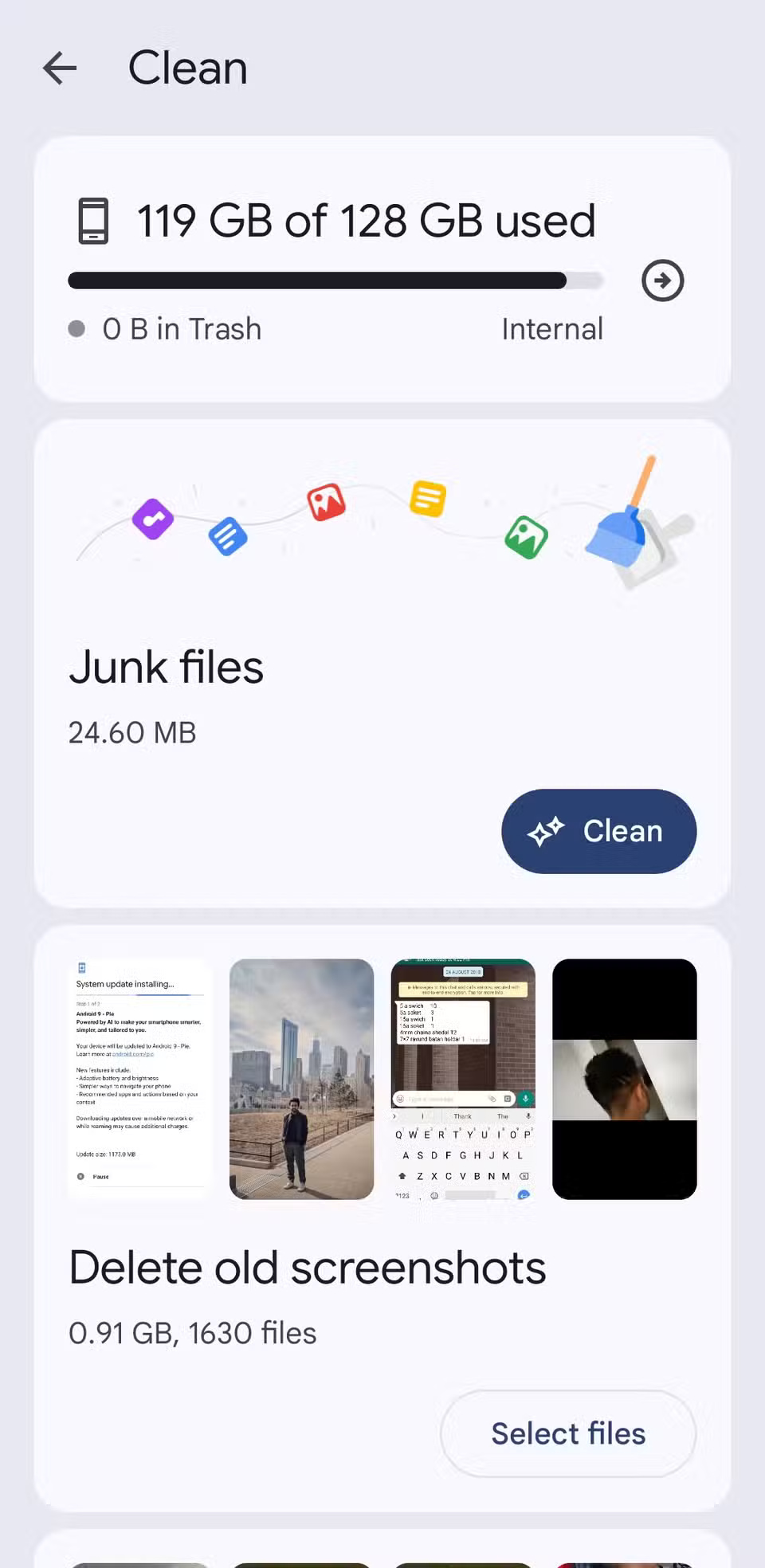
Start with large items you recognize, such as a downloaded video you can obtain again. A screenshot may contain a receipt or reference you still need, and a “duplicate” may be stored where another app expects to find it. File size alone does not tell you whether deletion is appropriate.
For saved downloads, see how to locate downloaded files before removing unfamiliar items.
Understand junk files versus personal files
The Junk files cleanup targets temporary data, and Google states that this cleanup permanently deletes the selected junk rather than sending it to Trash. Read the category description carefully; do not assume every deletion has a recovery window.
Removing an app is another separate operation. Check whether it contains local-only notes, game progress or other data you want to preserve before uninstalling it.
Review Trash before emptying it
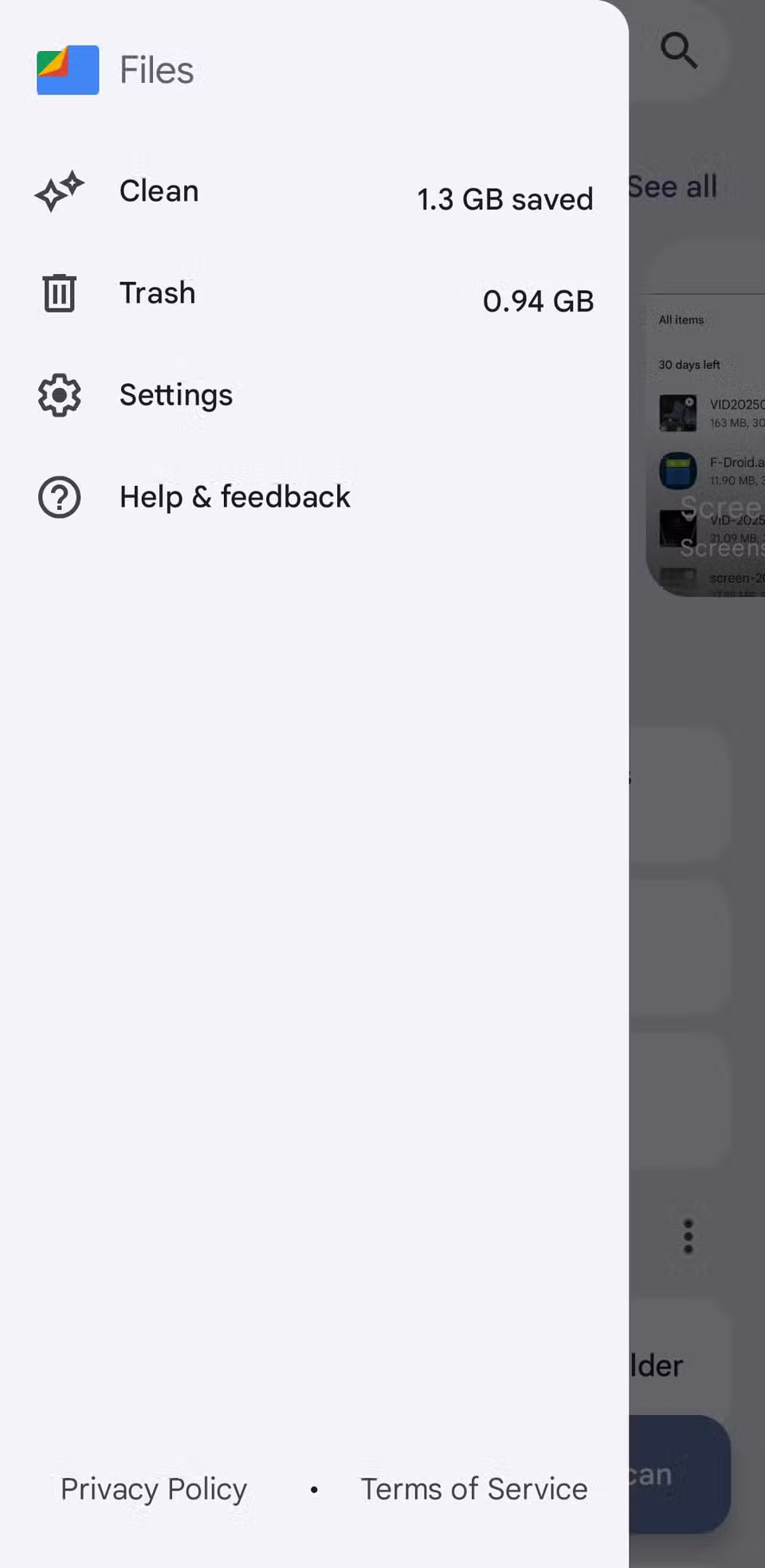
Open the menu and choose Trash. Files moved there normally remain for 30 days before automatic deletion. If you find something you need, select it and use Restore.
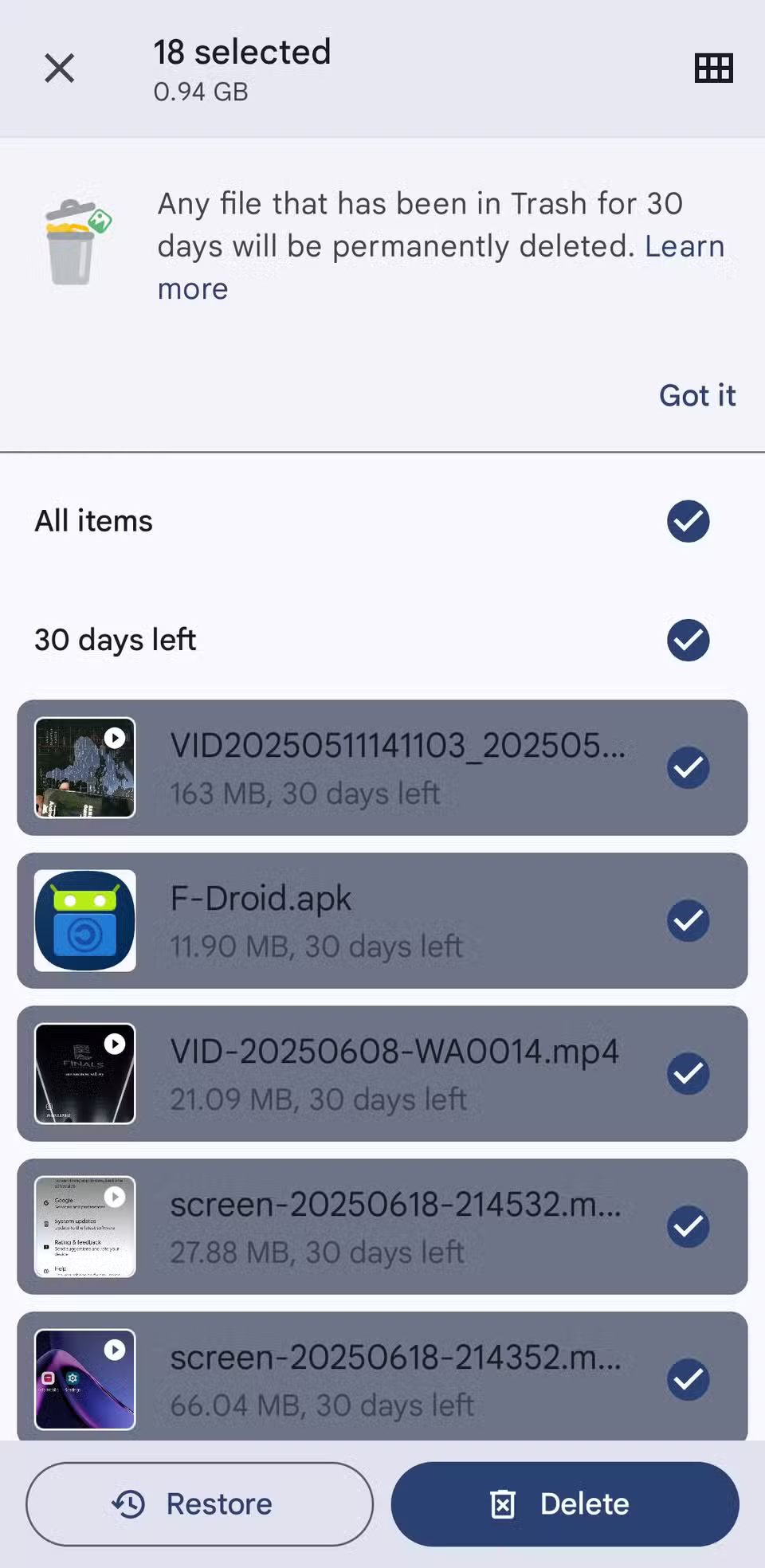
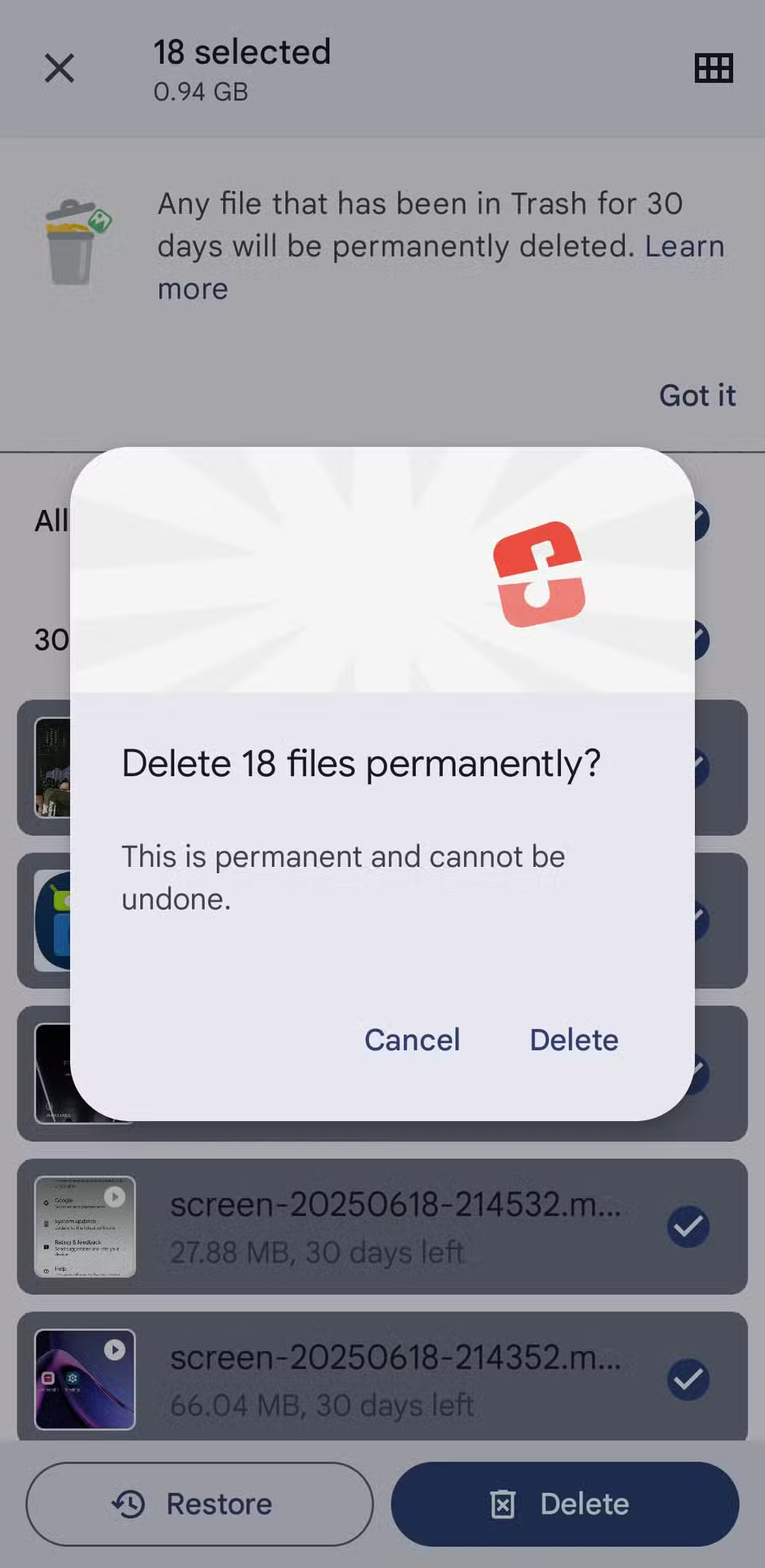
To reclaim space from items you are certain you no longer need, select those items in Trash, tap Delete and read the final warning. Deleting from Trash is permanent. Do not use Select all until you have reviewed the whole selection.
A file deleted in another app may be in that app’s trash instead. Files by Google is not a universal recovery bin for the entire phone.
Check the space you actually recovered
Return to Android’s storage settings after cleanup. If little has changed, check whether files remain in Trash or whether most usage belongs to apps and their offline content. Use the relevant app to manage downloaded media rather than deleting unknown system folders.
The Android insufficient-storage guide can help with the next checks. Keep an independent backup of important files; a trash folder is only a temporary recovery aid.






Reader Comments 0
Sign in with email or Google to join the discussion.