Analyzing samples from microwave ovens, researchers from Darwin Bioprospecting Excellence SL, a startup in Paterna, Spain, discovered several species of radiation-resistant bacteria living inside microwave ovens. Among them, some strains are very dangerous to humans.
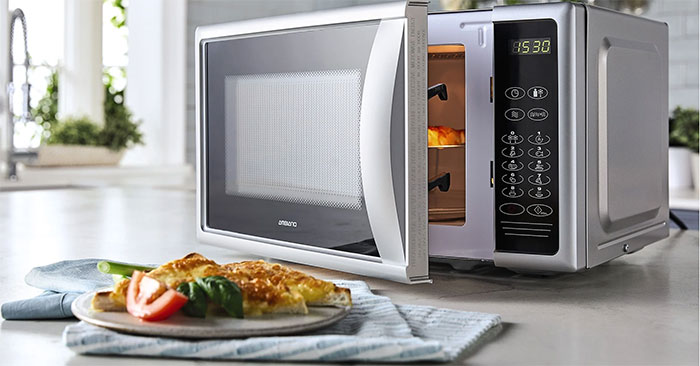
This is the first time scientists have found bacteria that can survive in the microwave environment of a microwave oven.
Researchers swabbed the insides of 30 microwave ovens being used under different conditions, including 10 from home kitchens, 10 from shared spaces such as cafeterias, and 10 from science labs.
The analysis of the samples revealed 747 different strains of bacteria belonging to 25 bacterial phyla. Microwave ovens used under different conditions will contain different strains of bacteria.
In particular, some types of bacteria that can be dangerous to humans include:
- Klebsiella can cause a variety of infections such as pneumonia, sepsis, wound or surgical site infections, and meningitis.
- Enterococcus can cause a wide range of diseases such as urinary tract infections, sepsis, and wound infections.
- Aeromonas is associated with gastrointestinal infections, kidney disease, cellulitis, and meningitis.
Therefore, the research team recommends that users should ensure that they regularly and thoroughly clean their microwaves with a diluted bleach solution or a commercially available disinfectant spray. In addition, after each use, wipe the inside surface with a damp cloth to remove residue and wipe up spilled food immediately to prevent bacteria from growing.




Reader Comments 0
Sign in with email or Google to join the discussion.