Table of Contents
This guide provides a clear, practical overview of Microsoft continues to raise hardware requirements Windows, with useful context, important details, and straightforward takeaways for everyday readers.
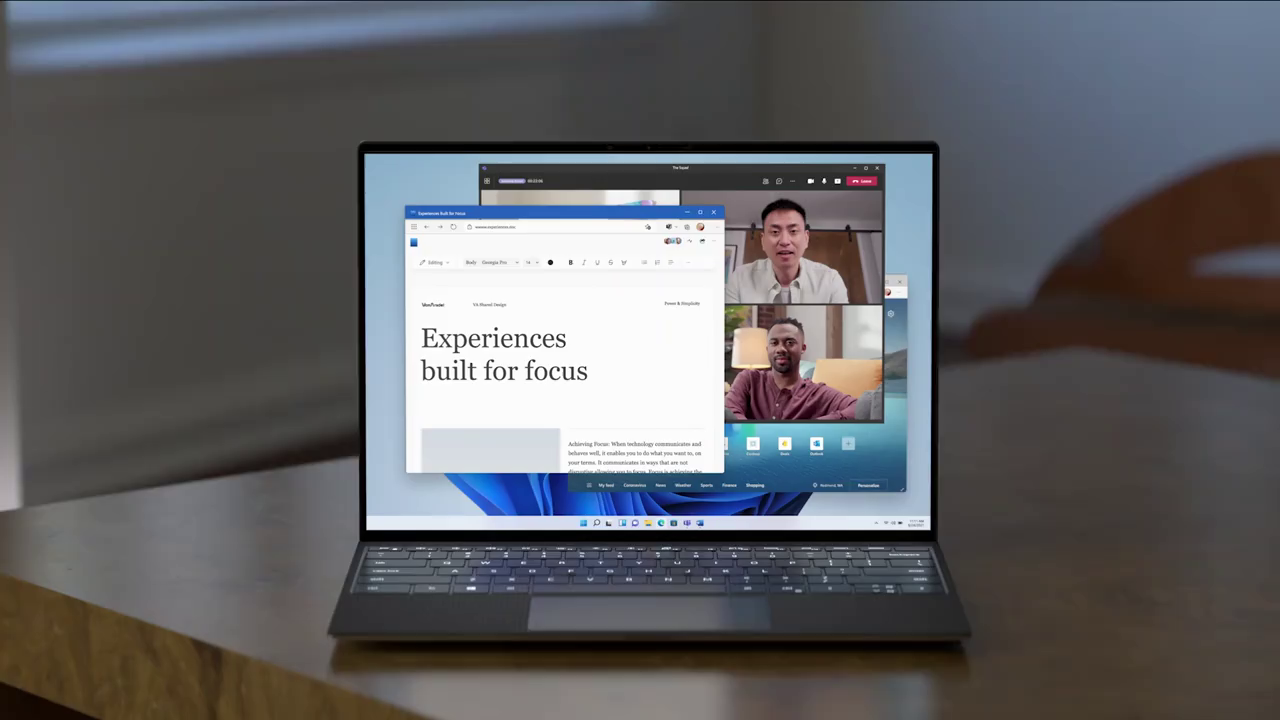
However, a problem that many users face with Windows 11 is the relatively strict hardware requirements of this operating system. According to the initial information posted by Microsoft, besides the basic requirements such as dual-core 1Ghz 64-bit chip, 4GB RAM, 64GB hard drive. Windows 11 also requires TPM 1.2 security chip.
However, not all CPUs or motherboards have this chip built-in. Therefore, many users have expressed disappointment when their PC, which is still using Windows 10 very well, cannot upgrade to Windows 11.
However, not stopping there, Microsoft recently corrected its hardware requirements after only 1 day of publication. "The original information contained errors and has been corrected by us," a Microsoft representative told The Verge.
It was thought that Microsoft would have a "loose" move to please users, but the opposite happened. Specifically, Windows 11 will require a TPM 2.0 chip, an upgraded version of TPM 1.2. TPM 2.0 was first announced at the end of 2014, but has only appeared on PC in the past few years.
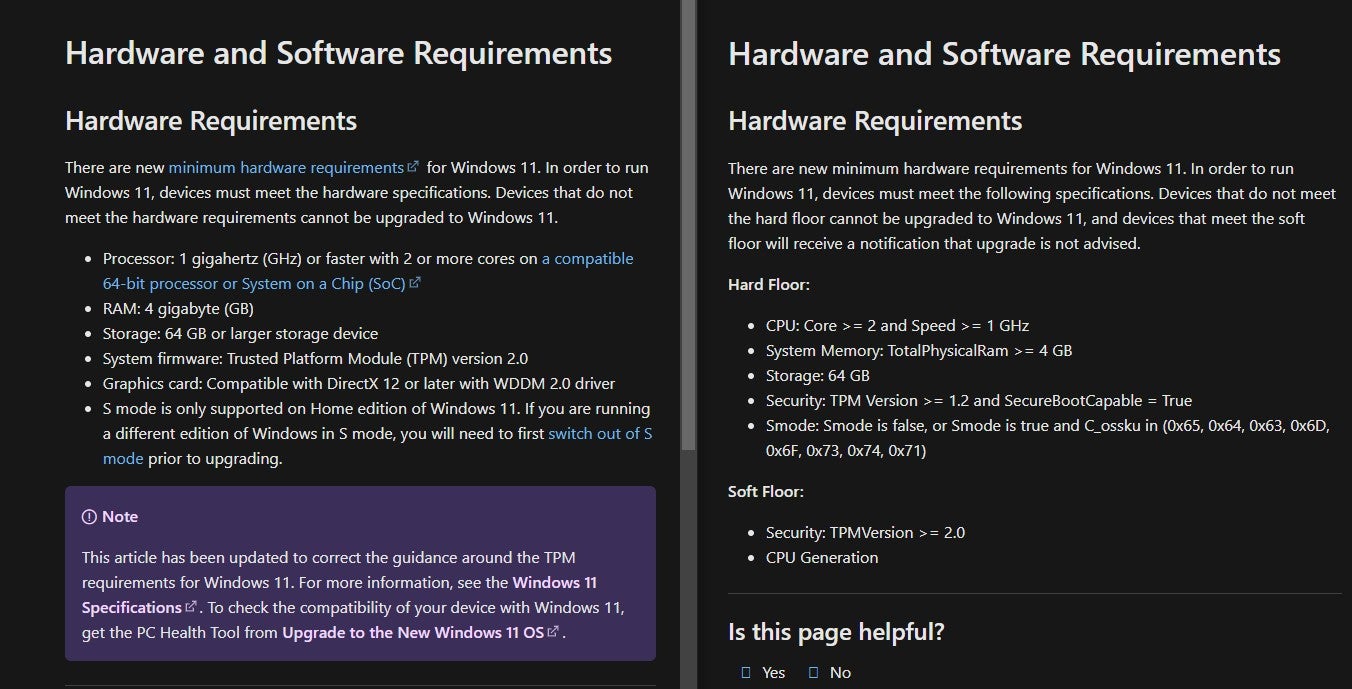
The information corrected by Microsoft (left) requires a TPM 2.0 chip. The original information (right) requires only the TPM 1.2 chip.
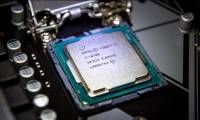
According to the list from Microsoft, only 8th generation Intel chips and above, or AMD Ryzen 2000 series or later, will officially support Windows 11. According to the tweet of Steve Dispensa, a Microsoft official, "Windows" 11 is only supported on the CPUs listed in the list. Even so, according to Steve, "this list can be adjusted over time".
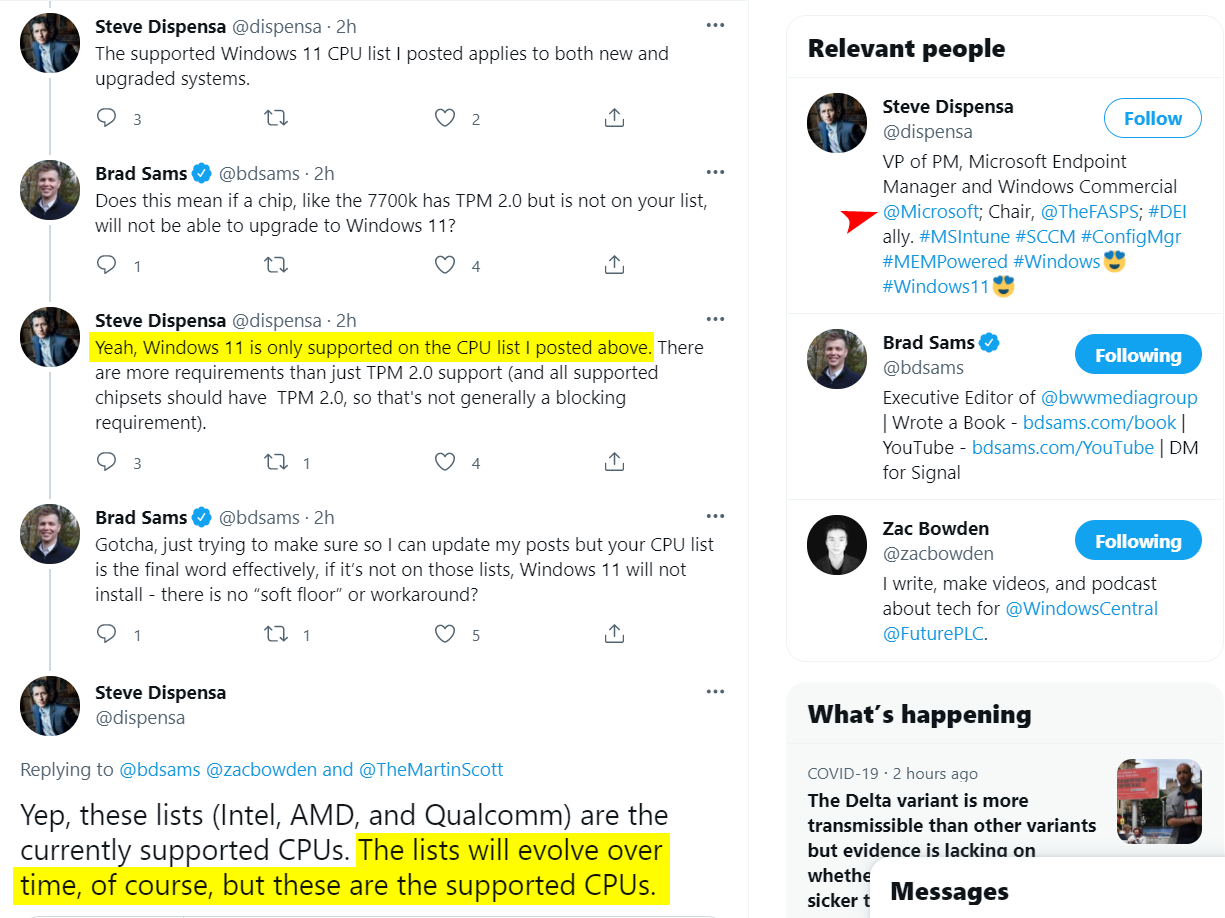
A Microsoft representative confirmed that only the CPUs on the list can update to Windows 11.
Here are the Windows 11 minimum hardware requirements:
- CPU: 1Ghz or faster, minimum 2 cores, 64-bit support
- RAM: 4GB
- Storage: 64GB or more
- Security Chip TPM 2.0 Chip
- GPU: DirectX 12 compatible, support WDDM 2.0
To find out if your PC is eligible to upgrade to Windows 11, users can download the PC Health Check tool developed by Microsoft itself.
Key Takeaways
Use the information above as a practical reference for Microsoft continues to raise hardware requirements Windows. Review each step carefully, confirm any requirements, and choose the option that best fits your situation.
FAQ
What does this guide explain about Microsoft Continues to Raise Hardware Requirements Windows?
It explains the main concepts, practical considerations, and useful steps related to Microsoft continues to raise hardware requirements Windows without requiring advanced knowledge.
Who can benefit from learning about Microsoft Continues to Raise Hardware Requirements Windows?
This information is useful for readers who want a clear overview, practical guidance, and reliable steps related to Microsoft continues to raise hardware requirements Windows.
What should I check before applying this information?
Review the requirements, confirm that your device, software, or situation matches the instructions, and back up important data before making major changes.
Related Articles
 Intel Unveiled the 'Real' Benchmark Results of the 9th Generation7 minutes read
 This Is Why You Will Choose Amd's Latest 3rd Generation Ryzen CPU3 minutes read
 Intel Played Big, Released Comet Lake 10 Core Chip to 'Weigh8 minutes read
 The Generation of Intel CPU Chip Ever8 minutes read
 Why Doesn't Windows 11 Support My CPU?7 minutes read
 AMD Released the First Ryzen-Vega Chip Combo for Desktop Computers4 minutes read
Reader Comments 0
Sign in with email or Google to join the discussion.