Table of Contents
Lightroom Post-Processing Guide for Beginners is easier to approach with a clear overview and reliable steps. This guide organizes the essential information, highlights practical details, and explains what to check along the way.
Key Takeaways
- Review instructions for post-processing photos in lightroom.
- Follow the recommended steps in order to avoid common mistakes with lightroom Post-Processing guide for beginners.
- Review compatibility, settings, or requirements before making changes.
Instructions for Post-processing Photos in Lightroom
Step 1: Import image file
In the Library module, import your photos into Lightroom. You can apply the built-in import settings, or use the dedicated shortcut keys, especially if you need to import a large number of photos if you want.
On the Lightroom window, open the panel on the right side, then open the Apply during import tab. This helps you apply the preset import settings. Open Develop settings => User presets and select the preset you want to apply.
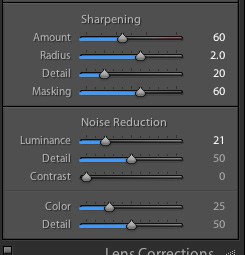
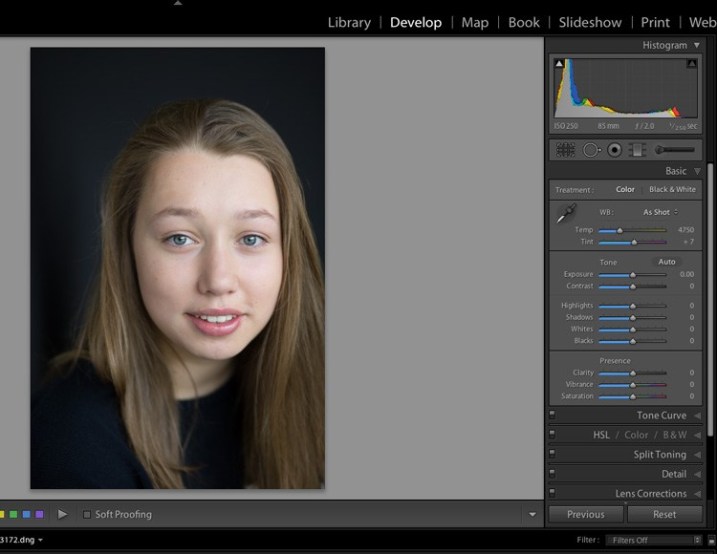
Access the Develop module after importing the image file.
Step 2: Adjust white balance
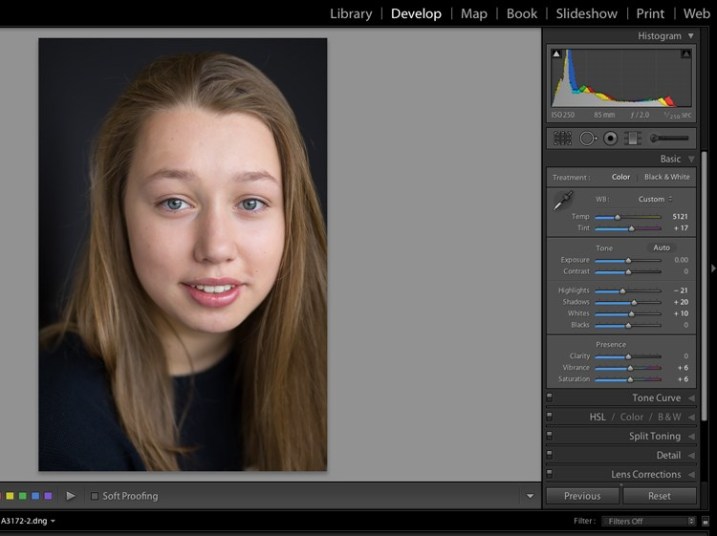
You have several ways to adjust white balance. You can use the Eyedropper tool if your image file uses a neutral color palette. In this tutorial, the image file doesn't have a neutral reference, so this guide will move the slider under White Balance to balance the color palette in the image file.

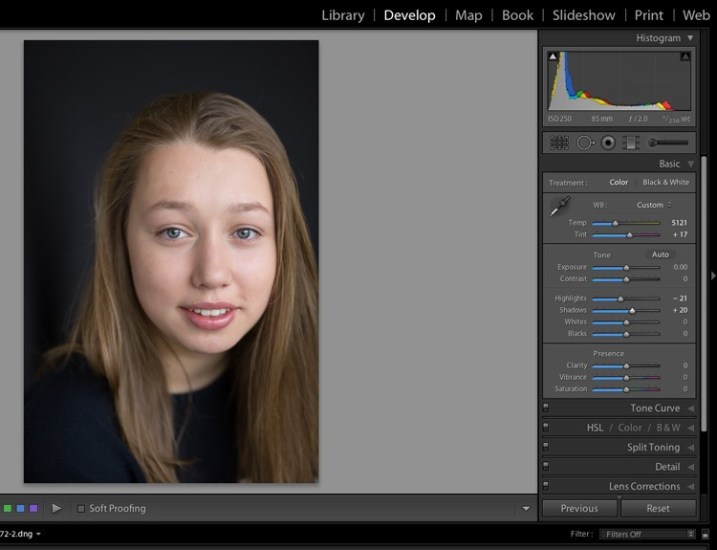
Step 3: Adjust the highlights and shadows.
The skin tone of the model in the image file is a bit bright, the hair color and background are a bit dark. We need to adjust the highlights and shadows. This helps you balance the colors of the objects in the image. We can adjust these settings later if necessary.
Step 4: Increase Vibrance and Saturation.
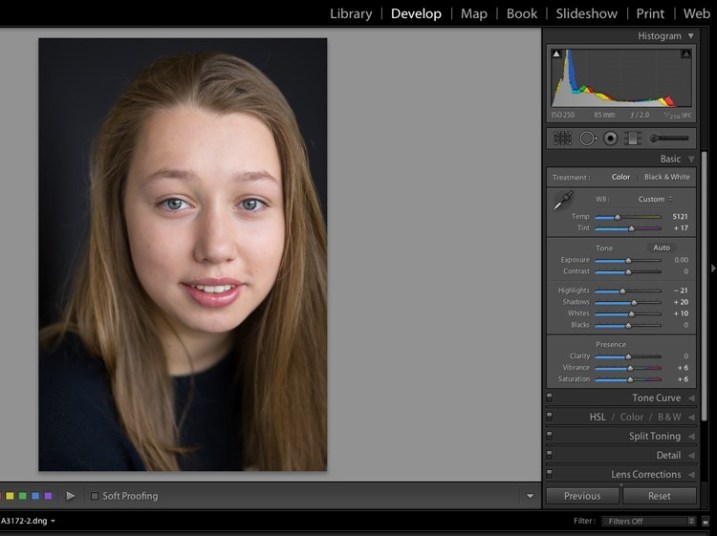
Next use the sliders under the Presence tab to increase the vibrance and saturation of the image, then move the Whites slider to the right to adjust the portrait and skin tones to look more realistic.
Step 5: Crop the photo
We can crop the photo at any position we want to make it most reasonable.
Step 6: Retouch and smooth skin.
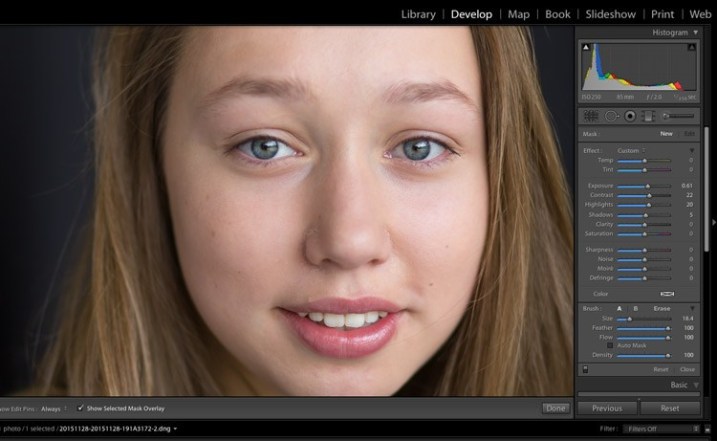
Zoom in on the skin to retouch, blur blemishes, scars, or wrinkles. Select the Brush tool and adjust any settings you want to apply. Whiten teeth, etc., these settings make the photo look unrealistic while you can use presets to retouch skin.
Adjust the Clarity slider to around -35 or -40 (Contrast to +35 and Highlights to +15 or more, this is to maintain contrast and convert the subject's face in the photo to a Flat background), Sharpness to +20. These options and settings may vary depending on the skin tone of the subject in your photo file and the type of effect you want to apply.
The example below applies the above settings to even out skin tone and make skin look brighter and smoother.
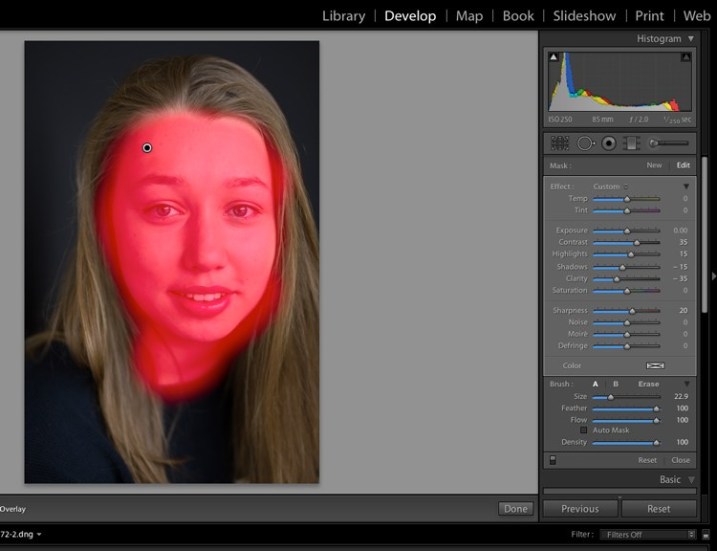
Adjusting the Clarity slider further will merge the layers, making the image completely "flat", like there are no layers, so we can increase the Contrast, increase the shadows and increase the highlights to balance it out. The Feather and Flow options stay at 100%.
Step 7: Fine-tune the adjustments.
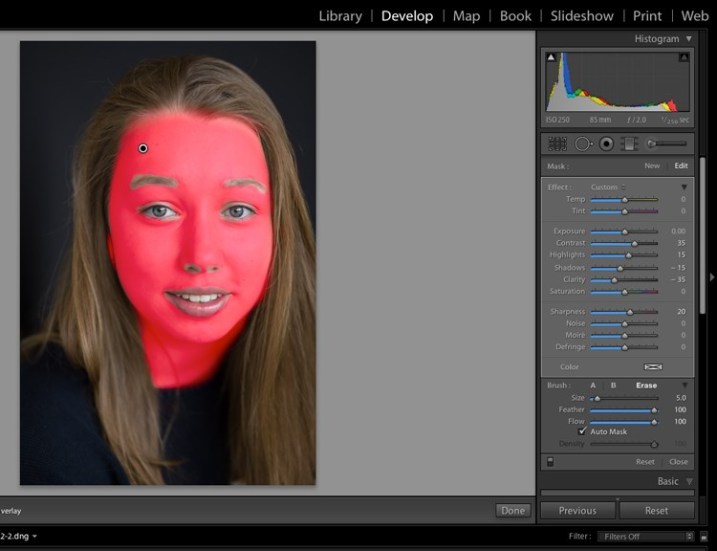
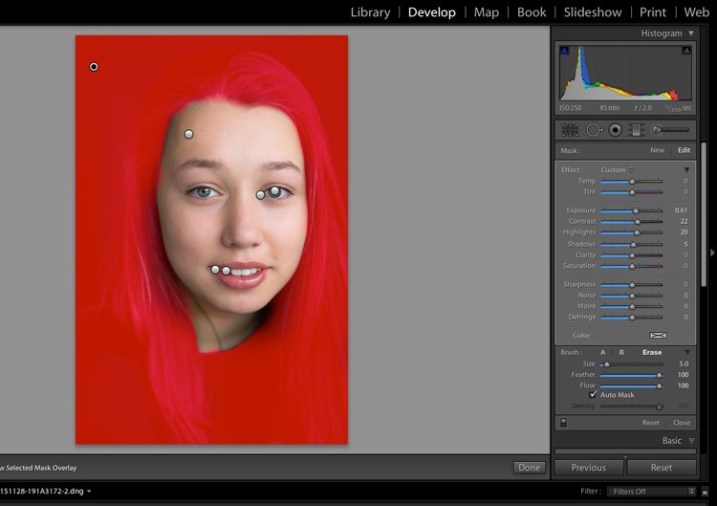
At the bottom of the image, check the Show selected mask overlay box (or use the keyboard shortcut O) to see exactly which parts of the image the Adjustment Brush is applied to. Still using the Adjustment Brush, click the erase brush tool and erase the brush effects around the eyes, mouth, and hair.

Step 8: Edit the eyes
Zoom in on the subject's face a little more, then use the Adjustment Brush to sharpen the focus and make the eyes look brighter. Note that increasing Clarity will darken other parts of the image. Adjust the Exposure slider. This helps you balance this out.
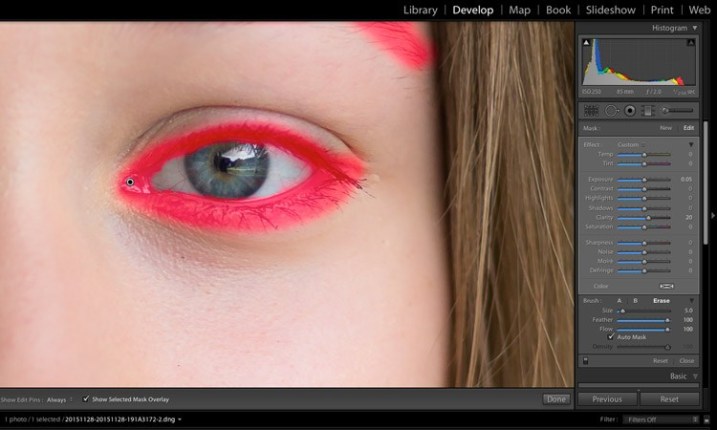
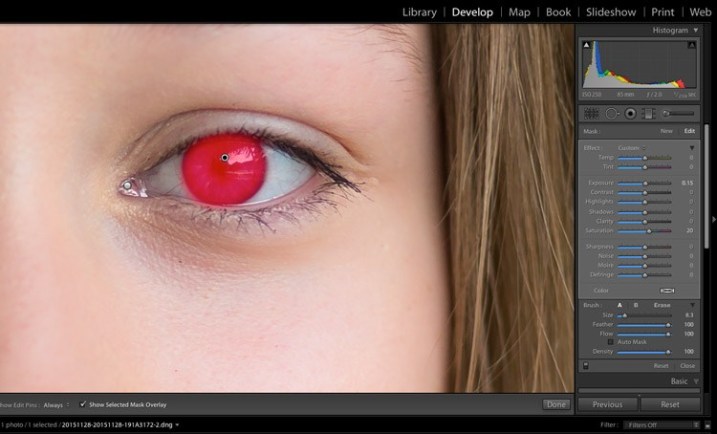
Step 9: Edit lip color
The next step is to move on to the lips of the subject in the photo. In this step we apply the same techniques as with the eyes to retouch the lips, adjusting the brush, clarity and increasing the saturation.
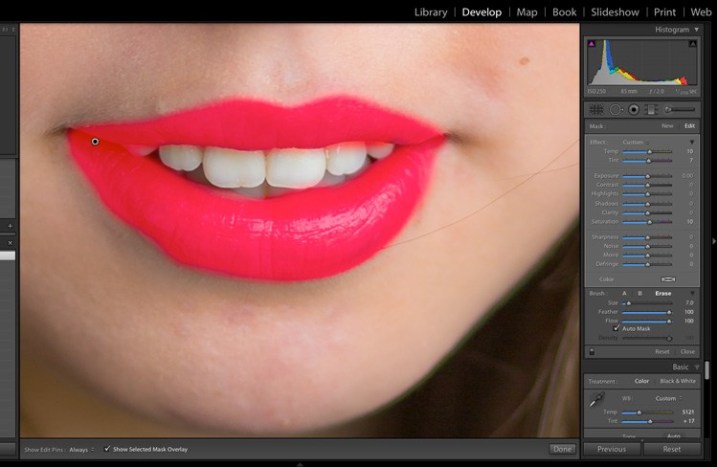
Step 10: Teeth whitening
We continue to use the brush tool, reduce the % of the Saturation slider and increase the % of the Exposure tool a little. This helps you edit and whiten teeth.
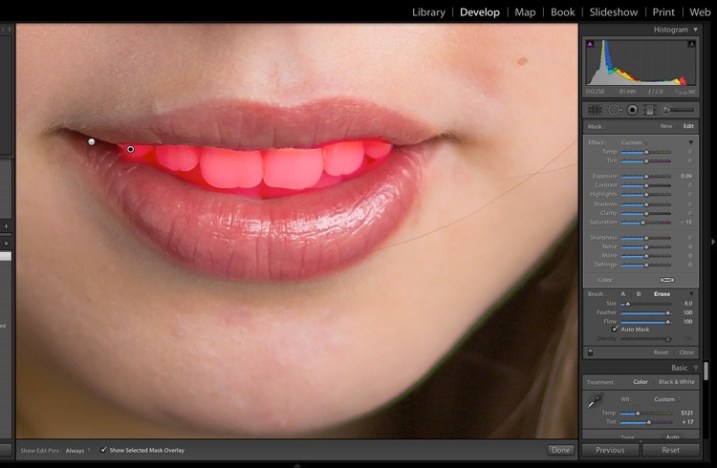
Step 11: Edit hair and background color.
The last step we need to do is to edit the hair color and background color a bit brighter to reduce the contrast between the face and the background color.
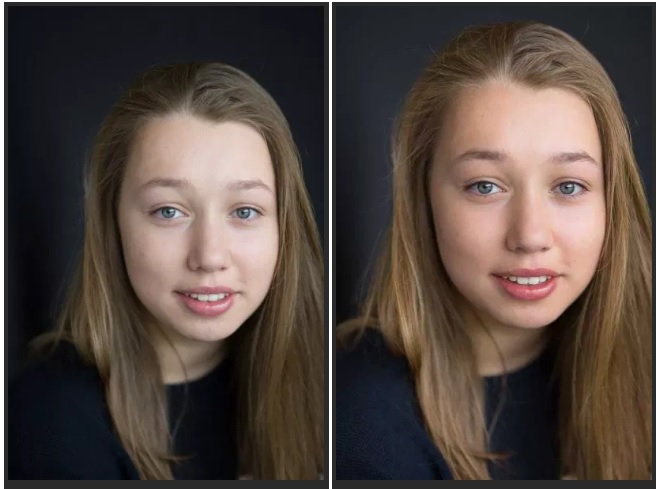
You can see the difference between the before (left) and after (right) images when edited:
Here is a detailed guide to help you post-process photos in Lightroom, from color correction, light balance to skin smoothing. Please refer to more tutorials on this guide to optimize your workflow if you don't know how to import photos in Lightroom or export photos with high quality.
Final Thoughts
The most reliable way to handle lightroom Post-Processing guide for beginners is to follow the process in order, verify each important setting, and test the result before moving on. Use the guidance above as a practical reference, then adjust the details for your device, software version, or specific goal.
FAQ
What should I know first about Lightroom Post-Processing Guide for Beginners?
Learning how to use Lightroom with basic steps such as importing photos, adjusting colors, smoothing skin and increasing sharpness. Makes it easier to create impressive photos with just a few simple steps.
How do I get the best results with Lightroom Post-Processing Guide for Beginners?
Use current software or equipment, follow the steps in order, review the recommended settings, and test one change at a time so you can identify what improves the result.
What should I do if Lightroom Post-Processing Guide for Beginners doesn't work as expected?
Check compatibility, permissions, connectivity, and version-specific settings. Restart the relevant device or app, then repeat the process carefully before trying a more advanced fix.
Related Articles
 How to Post Photos to Instagram Directly from Adobe Lightroom4 minutes read
 Instructions on How to Improve and Speed up Lightroom8 minutes read
 How to Add Presets to Lightroom2 minutes read
 Lightroom - Lightroom Download and Installation Guide5 minutes read
 Summary of Shortcut Adobe Photoshop Lightroom4 minutes read
 10 Lightroom Mistakes That Can Ruin Your Photos14 minutes read
Reader Comments 0
Sign in with email or Google to join the discussion.