Table of Contents
This updated overview organizes the essential information about Instructions for Batch Compressing Images on Batch Image, including practical uses, key features, setup considerations, and common questions.
What This Guide Covers
- How to compress images on Batch Image Compressor
- Step 1:
- Step 2:
Users are completely free to adjust the image size and image capacity they want to apply to the image after compression for Batch Image Compressor to adjust. In particular, you do not need to create an account to use immediately. Below are instructions for image compression on Batch Image Compressor
How to compress images on Batch Image Compressor
Step 1:
You can access the link below to visit the Batch Image Compressor website.
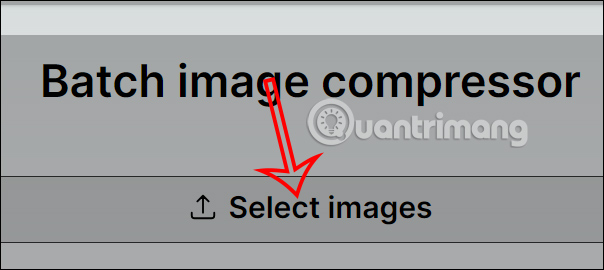
https://batchimagecompress.com/At the website interface, click Select images to select the image files you want to compress.
Step 2:
Displays the interface for you to customize the quality and maximum size (Max width, Max height) for uploaded files. Therefore, you should choose images of the same size for easy adjustment. Finally click Begin compression of x files to compress .

Step 3:
You will now see a zip file with the files that Batch Image Compressor has compressed.

We will see the results of file compression on Batch Image Compressor with significantly reduced capacity.

After downloading the zip file, proceed to extract it as usual.
Final Thoughts
Use the instructions and checks above in order, verify the result after each major step, and keep a backup whenever the process changes important files or system settings.
FAQ
What is Compress images on Batch Image Compressor used for?
Users are completely free to adjust the image size and image capacity they want to apply to the image after compression for Batch Image Compressor to adjust.
Who should consider Compress images on Batch Image Compressor?
It is most useful for readers who need the features, workflow, or problem-solving approach described in this guide.
What should I check before using it?
Review compatibility, current software requirements, privacy or security settings, costs, and any limitations that could affect your workflow.
Related Articles
 The Fastest Way to Batch Resize Photos with Microsoft's4 minutes read
 How to Batch Resize Photos with Xnconvert6 minutes read
 How to Batch Format Photos in Windows 104 minutes read
 Compressor and Information You Need to Know6 minutes read
 How to Compress Photos on Windows 10 Compressor Image Application5 minutes read
 Top 5 Oil-free Air Compressors Have the Best Reviews from Customers7 minutes read
Reader Comments 0
Sign in with email or Google to join the discussion.