Table of Contents
This updated guide examines How to Use Morphing Morphing Techniques in Photoshop and organizes the essential facts, background, and practical takeaways in clear American English.
The tool is quite easy to use and if you have never tried it before, go to step 1 below to start using Morphing morphing techniques in Adobe Photoshop.
Step 1:
Launch Adobe Photoshop. Do this by double-clicking the shortcut icon on the desktop or by opening it from the list of applications installed on the computer.
Step 2:
Open an image file. Click the File button in the upper left corner of the window on the menu bar and select Open from the pop-up menu that appears.
Use the Explorer window and navigate to the location on the computer where the image you want to edit is located. Click Open once you've selected the image to open it in Photoshop.
Step 3:
Select the Liquify tool . Click Filter along the menu bar at the top and select the Liquify filter from the pop-up menu that appears.
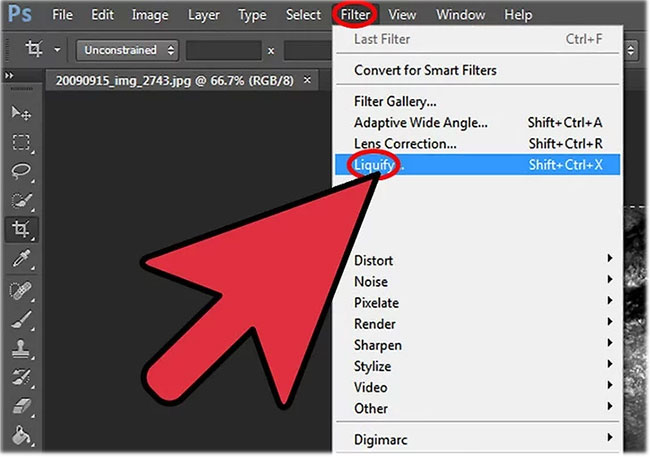
Step 4:
Left click the area you want to apply Morphing morphing technique. Use the mouse cursor (now a circle) and left click on the area on the image you want to transform.
You can also drag the cursor over the image to transform the areas of the image that the cursor passes over.
Step 5:
Adjust the cursor size. You can adjust the size of the circle pointer by clicking[to reduce its size and]to increase the size.
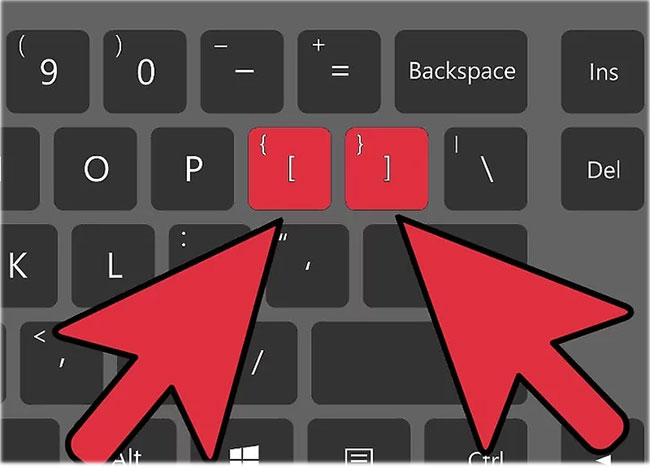
Step 6:
Close the Liquify tool . Click OK in the upper left corner of the window after you are done using the Liquify tool .
Step 7:
Save the changes. Click the File button again, but this time, select Save from the menu that appears to save the changes you have made to the image.
FAQ
What is How to Use Morphing Morphing Techniques in Photoshop about?
It provides a structured overview of Photoshop, explains the main context, and highlights practical takeaways for readers.
Why does this topic matter?
Understanding the main concepts helps readers evaluate the issue, avoid common mistakes, and make better-informed decisions.
How should readers use this information?
Use the guidance as a practical starting point, confirm details that may have changed, and follow current product, safety, or security recommendations.
Related Articles
 10 Things to Know About Mask in Photoshop: Mask Photoshop6 minutes read
 How to Use Photoshop CS5 - Part 25: Remove Automatic Background5 minutes read
 How to Use Photoshop CS5 - Part 5: Photo Editing7 minutes read
 How to Master Digital Coloring Techniques in Photoshop11 minutes read
 minutes read
 Do You Want to Learn Adobe Photoshop Tips Within 1 Minute? Take a2 minutes read
Reader Comments 0
Sign in with email or Google to join the discussion.