Table of Contents
This updated guide examines How to Screenshot on Google Chromebook and organizes the essential facts, background, and practical takeaways in clear American English.
Part 1of 3:
Taking a Full Screenshot
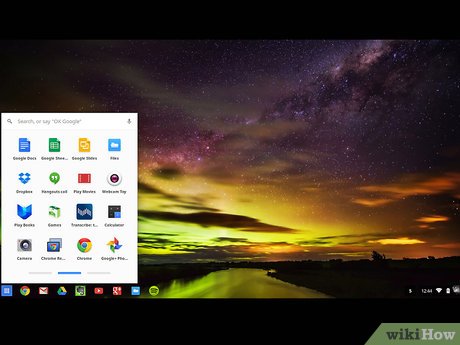 Go to the screen of which you want a screenshot. You can take a screenshot of anything that appears on the Chromebook's screen, like a webpage, document, or movie frame.
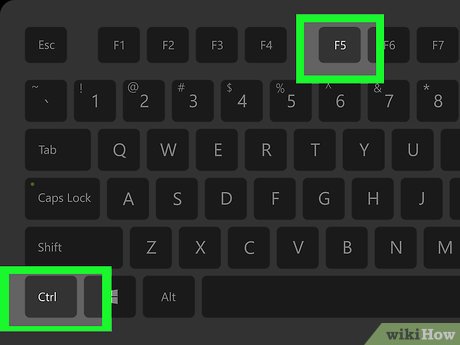 PressCtrland the Screen Switcher key. Doing so captures an image of everything on your Chromebook's screen.
- The Screen Switcher key is the one with a rectangle and two vertical lines to its right.
- If your keyboard doesn't have a Screen Switcher key, use F5 instead.
- Click on Copy to clipboard if you'd like to paste the screenshot into a document.
Part 2of 3:
Taking a Partial Screenshot
 Go to the screen of which you want a screenshot. You can take a screenshot of anything that appears on the Chromebook's screen, like a webpage, document, or movie frame.
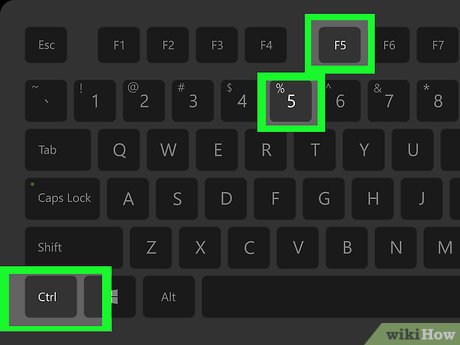 PressCtrl+⇧Shiftand then press the Screen Switcher key. Doing so launches a framing tool on your screen.
- The Screen Switcher key is the one with a rectangle and two vertical lines to its right.
- If your keyboard doesn't have a Screen Switcher key, use F5 instead.
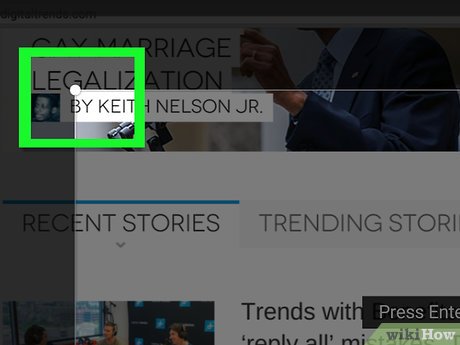 Click on and hold the tool. While doing so, drag it to frame the part of the screen that you'd like to capture.
- When you release the mouse or trackpad, your screenshot will be saved.
- Click on Copy to clipboard if you'd like to paste the screenshot into a document.
Part 3of 3:
Accessing Your Chromebook Screenshots
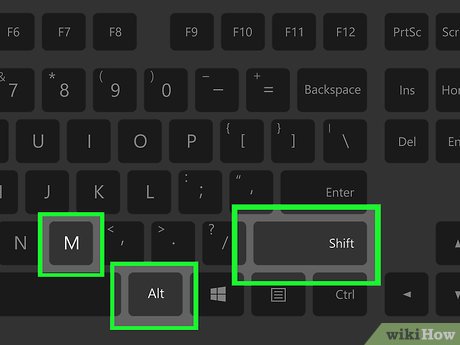 Hold down⇧Shift+Altand then press theMkey. Doing so opens the "Downloads" folder where all screenshots are automatically stored.
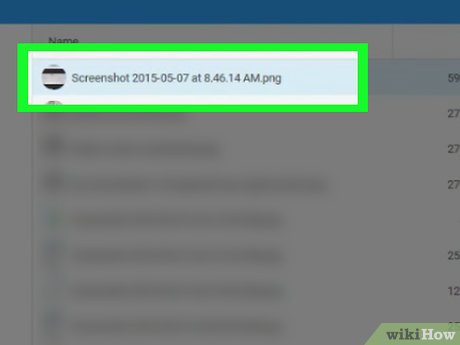 Double-click on a screenshot. This opens the screenshot so you can view it.
- Screenshots are.png files labeled with the word "Screenshot," along with the date and time they were captured.
FAQ
What is How to Screenshot on Google Chromebook about?
It provides a structured overview of screen, explains the main context, and highlights practical takeaways for readers.
Why does this topic matter?
Understanding the main concepts helps readers evaluate the issue, avoid common mistakes, and make better-informed decisions.
How should readers use this information?
Use the guidance as a practical starting point, confirm details that may have changed, and follow current product, safety, or security recommendations.
Related Articles
 How to Take a Screenshot on Chromebook: Step-by-Step Guide5 minutes read
 Googe Wrote Poetry to Market Chromebook Computers3 minutes read
 HP Chromebook 11 Was Withdrawn in Bulk3 minutes read
 Chromebook Plus Specs Like Explained10 minutes read
 What Is a Chromebook and How Is It Different from a Laptop?7 minutes read
 Google Donates 1 TB of Google Drive to Chromebook Users4 minutes read
Reader Comments 0
Sign in with email or Google to join the discussion.