Table of Contents
This updated guide examines Enter: How to Reset a Windows Xp or Vista Password and organizes the essential facts, background, and practical takeaways in clear American English.
Responsible-use note: Apply security techniques only to systems you own or are explicitly authorized to test.
Part 1of 3:
Opening the Admin Account
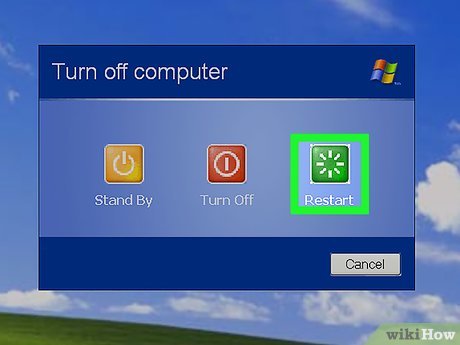 Restart your computer. Open Start , click the
 Power icon, and then click Restart .
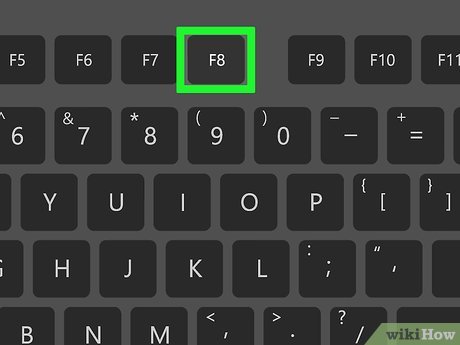 Press the "advanced options" key. This is typically theF8key, though your computer's key may vary. Pressing this key when prompted during the restart period will open the advanced options menu.
- You'll see the option to open "advanced options" or "boot options" (or even "advanced settings") at the bottom of the screen when your computer is restarting.
 SelectSafe Modeand press↵Enter. This will prompt your computer to restart in Safe Mode.
 Select your operating system if prompted. On Windows XP, you may be prompted to select your operating system; if so, just press↵Enter.
 Wait for the accounts page to load. You should see at least two accounts here: your usual account, and the Administrator account.
- The Admin account usually has an image of a chess piece on it.
 ClickAdminorAdministrator. This will log you into the account. You should now be at the desktop.
Part 2of 3:
Resetting the Password
 Open Start
 . Click the Windows logo (or Start on Windows XP) in the bottom-left corner of the screen.
 ClickRun…. It's an envelope icon on the right side of the Start window. A small window will open.
- On Windows Vista, you can type inrunif you don't see Run in the Start menu.
 Type incmd. This is the command to open Command Prompt.
 ClickOK. It's at the bottom of the Run window. Doing so will open Command Prompt.
 Enter the password reset command. Type innet user username new_password, where "username" is the username for the account whose password you forgot and "new_password" is the new password that you want to assign.
- For example: to change the password to "pupper123" for an account named "hugsky", you would enternet user hugsky pupper123here.
 Press↵Enter. This will immediately change the password for the selected account.
 Restart your computer again. Once your computer has restarted back to the login screen, you should be able to select your account and input your new password.
Part 3of 3:
Using a Recovery Disc on Vista
 Find a Windows Vista installation or recovery disc. to perform this method, you will need to enter the Recovery Console, which can only be accessed with a Windows Vista installation or recovery disc.
- You can download a Windows Vista ISO file and burn it to a DVD.
- The installation disc doesn't need to be the one you use to install your operating system, but it does need to be for the same version of Windows.
 Insert the installation disc into your computer. The disc must go label-side-up in your computer's CD tray.
 Restart your computer. Click the upward-facing arrow next to the
 Power icon, then click Restart in the pop-up menu.
 Press your computer'sBIOSkey. As soon as your computer begins restarting, start pressing the BIOS key. This key will be listed at the bottom of the screen.
- If you can't find the BIOS key, consult your computer's manual or look up the BIOS key for your computer's model online.
 Select the "Boot" tab. Use the arrow keys to move over to the "Boot" or "Startup" tab.
- Skip this step if you don't see a Boot tab.
 Change the boot order. Select the Disc , Disc Drive , or similar option, then press the+key until the selected option is at the top.
 Save your settings and exit the BIOS. There's usually a key that you can press to do so; look for the "Save and Exit" key on the right side of the screen.
- You may have to confirm this decision by pressing↵Enterwhen prompted.
 Press any key when prompted. Doing so will launch the Windows Recovery window.
 ClickNext. This option is in the bottom-right corner of the window.
 ClickRepair your computer. It's in the bottom-left corner of the window.
 SelectWindows Vista, then clickNext. You'll find this in the middle of the window.
 ClickCommand Prompt. It's in the middle of the screen. Doing so will open the Command Prompt app.
 Enter the "utilman" command. Type inc:windowssystem32utilman.exe c:and press↵Enter.
- If your operating system is installed on the "D:" drive, type ind:windowssystem32utilman.exe d:instead.
 Enter the next command. Type incopy c:windowssystem32cmd.exe c:windowssystem32utilman.exeand press↵Enter.
 Enter the final command. Type inyand press↵Enter. This will indicate a "Yes" response, which enables Command Prompt on the Windows login screen.
 Remove the installation or recovery disc, then reboot your computer. Once the computer finishes rebooting, you should be back at the login screen.
 Click the "Accessibility" button. It's the blue, dial-shaped option in the bottom-left or bottom-right corner of the screen. Doing so will open the Command Prompt app.
 Enter the password reset command. Type innet user username new_password, where "username" is the username for the account whose password you forgot and "new_password" is the new password that you want to assign.
- For example: to change the password to "ilikelemons" for an account named "citruslover", you would enternet user citruslover ilikelemonshere.
 Press↵Enter. This will immediately change the password for the selected account.
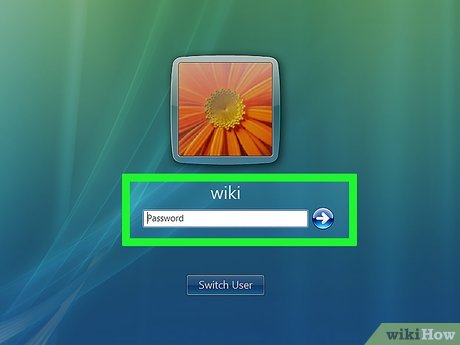 Log in with your new password. Select your user account and enter the new password that you just set. You should be able to access the account now.
- As soon as you run the command, your new password will be ready to go—you don't need to restart your computer.
FAQ
What is Enter: How to Reset a Windows Xp or Vista Password about?
It provides a structured overview of enter, explains the main context, and highlights practical takeaways for readers.
Why does this topic matter?
Understanding the main concepts helps readers evaluate the issue, avoid common mistakes, and make better-informed decisions.
How should readers use this information?
Use the guidance as a practical starting point, confirm details that may have changed, and follow current product, safety, or security recommendations.
Related Articles
 How to Reset Windows 7 Password: Clear Instructions4 minutes read
 How to Reset Admin Password on Windows with Sticky Keys5 minutes read
 How to Use Password Reset Disk to Reset Windows Password?3 minutes read
 Reset Windows Password Using USB5 minutes read
 How to Use a Password Reset Disk (Windows)4 minutes read
 How to Reset a Forgotten Password on Windows8 minutes read
Reader Comments 0
Sign in with email or Google to join the discussion.