Table of Contents
This updated guide explains how to Remove Toolbars through clear steps, practical examples, and important checks that help prevent common errors.
Method 1 of 5:
Google Chrome
-
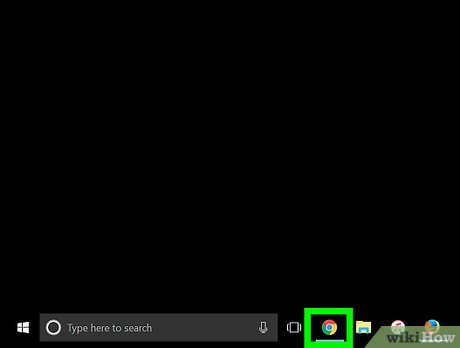 Open Google Chrome. It's the red, yellow, green, and blue sphere icon.
 -
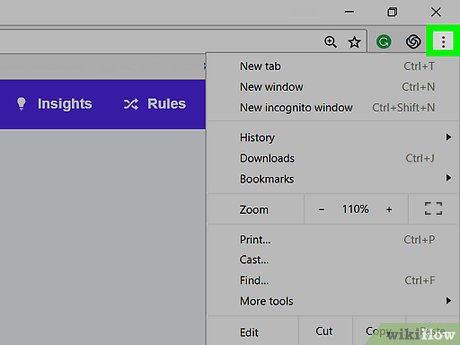 Click ⋮. This icon is in the top-right corner of the Chrome window. Clicking it will open a drop-down menu.
 -
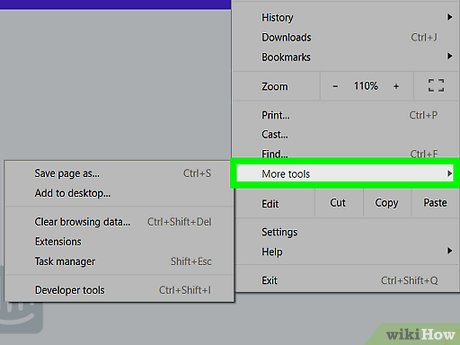 Select More tools. It's toward the bottom of the drop-down menu. Doing so prompts a pop-out menu.
 -
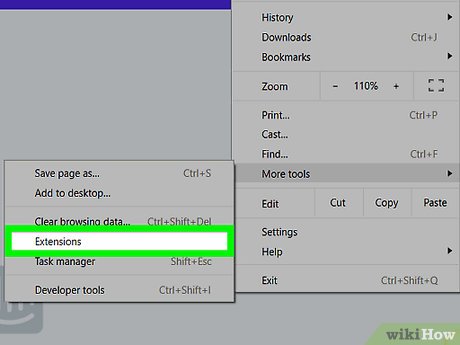 Click Extensions. This option is in the pop-out menu. The Extensions page will open.
 -
 Click the trash can icon. It's to the right of the toolbar that you may need to uninstall.
- You may first have to scroll down to the toolbar.
-
 Click Remove when prompted. Doing so will delete the extension from Google Chrome.
 -
 Close and re-open Google Chrome. When Chrome finishes loading after re-opening it, the toolbar should be gone.
Method 2 of 5:
Firefox
-
 Open Firefox. It's a blue globe icon with an orange fox wrapped around it.
 -
 Click ☰. It's in the top-right corner of the Firefox window. Doing so prompts a drop-down window.
 -
 Click Add-ons. This puzzle piece-shaped icon is in the drop-down window.
 -
 Click the Extensions tab. It's on the left side of the page (Windows) or at the top of the pop-up window (Mac).
- If you can't find the toolbar you may need to remove here, look for it in the Plug-ins tab instead.
-
 Click Remove. It's to the right of the toolbar you may need to remove. Doing so will immediately delete the toolbar from your Firefox browser.
- You may have to scroll down to locate the toolbar that you may need to uninstall.
-
 Close and re-open Firefox. Once Firefox finishes reloading, the toolbar should be gone.
Method 3 of 5:
Microsoft Edge
-
 Open Microsoft Edge. Its icon resembles a dark-blue "e".
 -
 Click ⋯. It's in the top-right corner of the Edge window. A drop-down menu will appear.
 -
 Click Extensions. This option is toward the bottom of the drop-down menu.
 -
 Select the toolbar extension. Click the toolbar extension that you may need to remove. A pop-up menu will appear.
 -
 Click Remove. It's an option in the pop-up menu. Doing so will remove the toolbar from Edge.[1]XResearch source
 -
 Close and reopen Microsoft Edge. Once Edge finishes re-opening, the toolbar's interface will be gone.
Method 4 of 5:
Internet Explorer
-
 Open Internet Explorer. It's a light-blue "e" icon with a yellow band wrapped around it.
 -
 Click Settings. This icon is in the top-right corner of the window. A drop-down menu will appear.
-
 Click Manage add-ons. You'll find this option near the middle of the drop-down menu.
 -
 Click the Toolbars and Extensions tab. It's on the left side of the Manage Add-Ons window.
 -
 Select the toolbar extension. Click the toolbar that you may need to remove from Internet Explorer. This will select it, bringing up contextual options in the bottom-right corner of the window.
 -
 Click Remove or Disable. Depending on the type of toolbar (e. g., officially licensed by Microsoft), you may not be able to remove the toolbar entirely; however, you can disable it to turn it off.
- Third-party toolbars are entirely removable by clicking Remove .
-
 Close and re-open Internet Explorer. When Internet Explorer finishes re-opening, your toolbar should be gone.
Method 5 of 5:
Safari
-
 Open Safari. This blue, compass-shaped app should be in your Mac's Dock at the bottom of the screen.
 -
 Click Safari. It's a menu item in the top-left corner of the screen. A drop-down menu will appear.
- If you don't see this menu item, click the Safari window to force it to appear.
-
 Click Preferences.... It's at the top of the Safari drop-down menu. This will prompt a window to open.
 -
 Click the Extensions tab. This option is toward the right side of the row of options at the top of the pop-up window.
 -
 Click Uninstall next to the toolbar. Make sure you do this next to the toolbar you may need to remove. Doing so prompts a pop-up window.
 -
 Click Uninstall when prompted. The toolbar will be removed from Safari.
 -
 Close and re-open Safari. Once Safari reloads, the toolbar should be gone.
FAQ
What is the easiest way to Remove Toolbars?
Start with the requirements in this guide, then follow each step in order. Check the result after every major change so problems are easier to identify.
Can beginners follow these instructions?
Yes. The process is organized into practical steps, and you can repeat any step before moving forward.
What should I check if the method does not work?
Confirm your software or device version, permissions, settings, file format, and internet connection when the task depends on online services.
Related Articles
 How to Hide Toolbars: Step-by-Step Guide3 minutes read
 Remove Unnecessary Toolbars from the Browser4 minutes read
 How to Enable Hidden Toolbars on Your Browser: Step-by-Step Guide10 minutes read
 Customize Toolbars in Word3 minutes read
 Rooted Mysearch123. Com on Chrome, Firefox and Internet Explorer10 minutes read
 How to Remove Certified Toolbar, Ilivid Searchnu ... from the3 minutes read
Reader Comments 0
Sign in with email or Google to join the discussion.