Table of Contents
This updated guide examines Click: How to Lock Desktop Icons in Place and organizes the essential facts, background, and practical takeaways in clear American English.
Method 1of 3:
Using Auto-Arrange and Align on Windows
 Right-click on an empty space on your Windows desktop. This will open a small drop-down window.
 ClickView. It's the first option at the top.
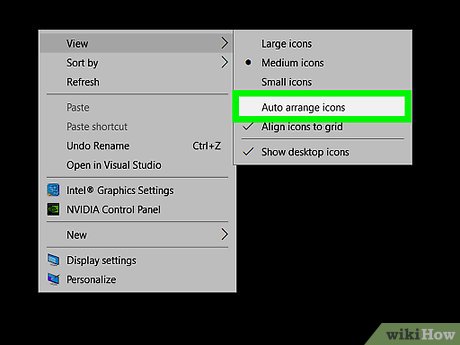 Click "Auto arrange icons" so there is a checkmark next to it. This will reorder your desktop icons and keep them in a certain order so they can't be moved to other areas.
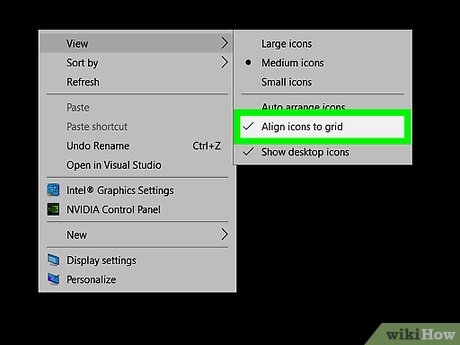 Click "Align icons to grid" so there is a checkmark next to it. This will keep your icons neatly spaced and lock them to a grid layout.
Method 2of 3:
Using DeskLock on Windows
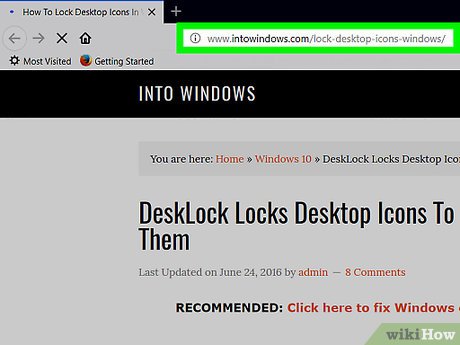 Go tothe DeskLock download pagein a web browser. In a web browser, go to http://www.intowindows.com/lock-desktop-icons-windows and scroll down towards the bottom of the page.
 ClickDownload Desklock. It's the link at the bottom of the article.
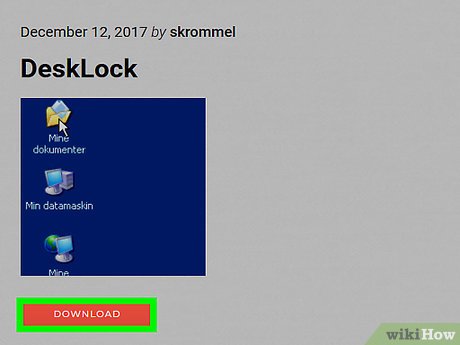
 ClickDeskLock. It's the download link labeled "DeskLock v1.2" on the page next to the image of icons on a desktop. This starts the DeskLock download.
 Double-click the "DeskLock.exe" file. Go to the location you downloaded the DeskLock application and double-click it start the app. DeskLock is a small program and doesn't need to be installed.
- By default, all downloaded files can be found in your Download folder.
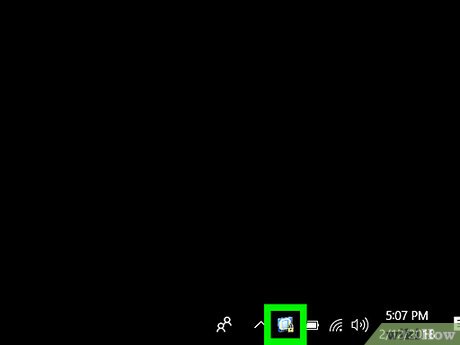 Right-click the DeskLock icon in your taskbar. It's a green icon with an "S" when it's not enabled. It's a blue and white icon with a yellow padlock when enabled. It's located in the bottom-right of the taskbar.
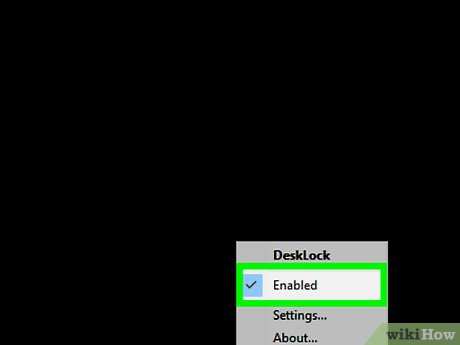 ClickEnabled. This turns on DeskLock and locks your desktop icons.
- If your icons are not locked, right-click the DeskLock icon in the system tray and go to Settings . Then make sure the checkbox next to Lock icons is checked and press OK .
Method 3of 3:
Sorting by Tags on Mac
 Right-click each desktop item. This opens a drop-down menu. On a Mac with a trackpad or a magic mouse, click the desktop item with two fingers, or hold the⌥Optionkey and click to perform a right-click.
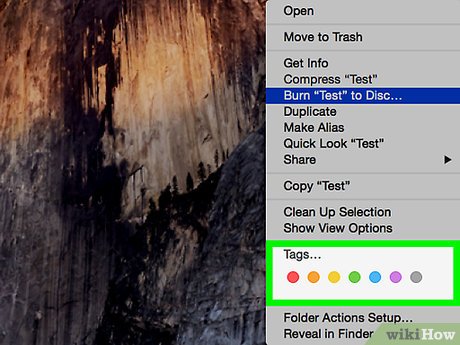 Select a colored tag. Use the colored tags to organize the desktop items however you wish. Icons will be arranged by color in the order they appear in the drop-down menu.
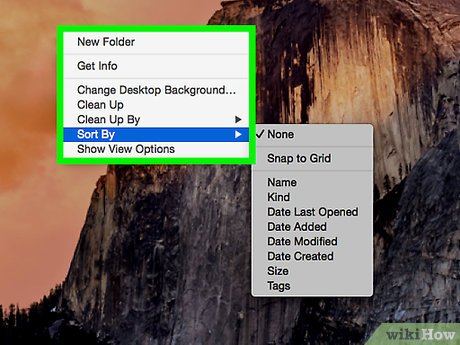 Right-click an empty space on the desktop. This opens a drop-down menu. On a Mac with a trackpad or a magic mouse, click the desktop item with two fingers, or hold the⌥Optionkey and click to perform a right-click.
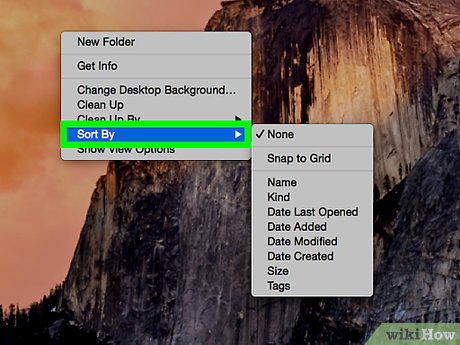 ClickSort By.
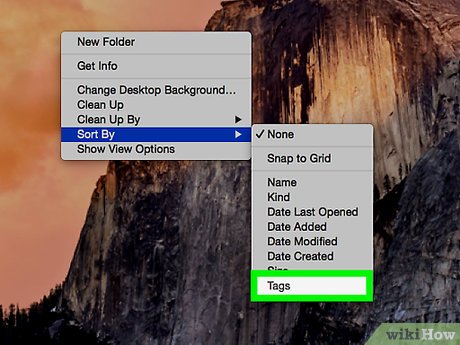 SelectTags. It's near the bottom of the pulldown menu. This will organize your desktop icons in the tag order you selected and they will then be locked in place.
FAQ
What is Click: How to Lock Desktop Icons in Place about?
It provides a structured overview of click, explains the main context, and highlights practical takeaways for readers.
Why does this topic matter?
Understanding the main concepts helps readers evaluate the issue, avoid common mistakes, and make better-informed decisions.
How should readers use this information?
Use the guidance as a practical starting point, confirm details that may have changed, and follow current product, safety, or security recommendations.
Related Articles
 How to Fix the Position of Icons on the Windows 11 Desktop3 minutes read
 How to Hide and Unhide All Desktop Icons on Windows2 minutes read
 7 Websites to Download Free Desktop Icons for Windows 105 minutes read
 How to Hide Desktop Icons on Ubuntu 20.043 minutes read
 How to Hide Desktop Icons7 minutes read
 How to Hide All Desktop Icons on Mac4 minutes read
Reader Comments 0
Sign in with email or Google to join the discussion.