Table of Contents
This updated guide examines Terminal: How to Get to the Command Line on a Mac and organizes the essential facts, background, and practical takeaways in clear American English.
Method 1of 3:
Using Launchpad
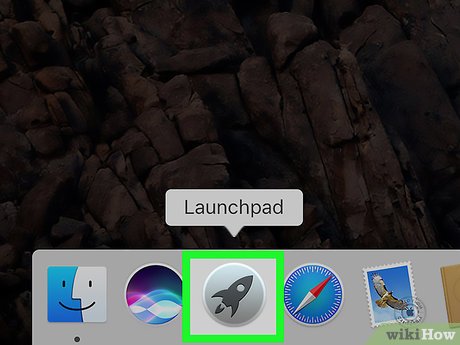 Open Launchpad. It's the silver icon in the Dock that looks like a rocket. The Dock is a panel of icons usually found at the bottom of the screen, though it can also be moved to the screen's left or right side.[1]
- If you're on a laptop, you can also open Launchpad by doing a four-finger pinch gesture on the trackpad.
- You may also be able to open it by pressingF4on the keyboard.
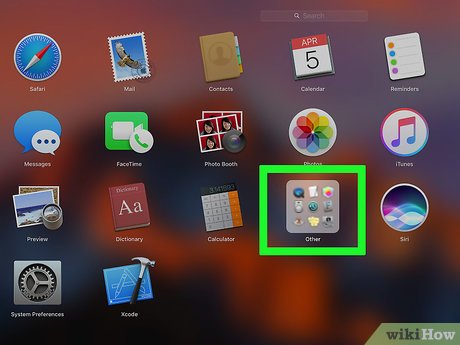 Click theOtherfolder. It's a square icon containing several smaller icons.
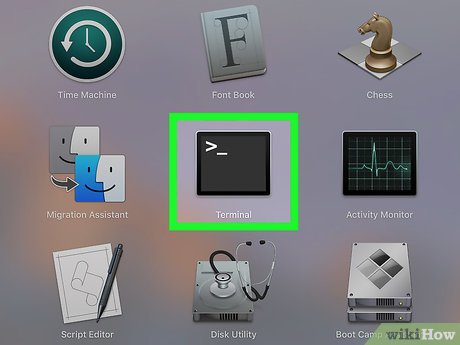 ClickTerminal. The Terminal application will now launch to the command prompt.
- If you don't see Terminal in the Other folder, it may have been moved elsewhere in Launchpad. If you're unable to find it, try another method.
Method 2of 3:
Using Spotlight
 Click the Spotlight icon. It's the magnifying glass at the top right corner of the screen.[2]
- You can also open Spotlight by pressing⌘Command+Spaceon the keyboard.
 Typeterminalinto the search box. 'Terminal' will appear in the search results.
 Double-clickTerminal. The Terminal application will now launch to the command prompt.
Method 3of 3:
Using Finder
 Open Finder. It's the icon at the bottom of the screen that looks like a two-toned smiling face.
 ClickApplications. It's in the left panel of Finder.
- If you don't see "Applications" in the left panel, click Go at the top of the screen and select Applications .
 ClickUtilities. You may have to scroll down to find it.
 Double-clickTerminal. You may have to scroll down to find it. The Terminal application will now launch to the command prompt.[3]
FAQ
What is Terminal: How to Get to the Command Line on a Mac about?
It provides a structured overview of terminal, explains the main context, and highlights practical takeaways for readers.
Why does this topic matter?
Understanding the main concepts helps readers evaluate the issue, avoid common mistakes, and make better-informed decisions.
How should readers use this information?
Use the guidance as a practical starting point, confirm details that may have changed, and follow current product, safety, or security recommendations.
Related Articles
 Command Line Parameter in C5 minutes read
 Manage the Event Log with the Command Line6 minutes read
 The Nox App Player Command Line Parameters Support7 minutes read
 Forget the GUI, the Command Line Is Returning9 minutes read
 5 Reasons Why People Love the Linux Command Line: Recommended Choices9 minutes read
 5 Best Command Line Emulation Software for Windows 106 minutes read
Reader Comments 0
Sign in with email or Google to join the discussion.