Table of Contents
This guide explains how to resolve OneDrive Not Starting in Windows 10, starting with the most likely causes and moving through practical troubleshooting steps.
1. Restart your Windows 10 PC
This sounds very basic, but believe me, rebooting the system should fix a lot of the problems. If an app or process is blocking OneDrive from opening, restarting will fix the problem. So close all programs and restart Windows 10.
After restarting, try launching OneDrive. If the app launches as it should, then that's fine and you have successfully fixed the problem. If not, follow the next steps.
2. Make sure that OneDrive is not disabled on the group policy
If the group policy named "Prevent the usage of OneDrive for file storage" is enabled, it will prevent OneDrive from opening. So setting this policy to "Not configured" or "Disabled" will remove the restriction and allow you to use the OneDrive app.
Step 1. Open the Run window. You can do that by pressing the Win + R keyboard shortcut.
Step 2. Type gpedit. msc and click OK.
Step 3. After opening Group Policy Editor, go to Computer Configuration> Administrative Templates> Windows Components> OneDrive folder.
Step 4. Double-click the Prevent the usage of OneDrive for file storage policy.
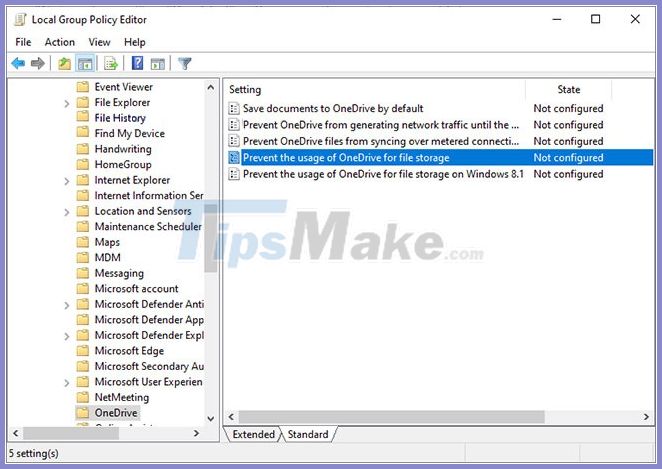
Step 5. Select the option Not configured or Disabled.
Step 6. Click Apply> OK button.

Step 7. Close Group Policy Editor.
Step 8. Restart Windows 10.
After restarting, try launching OneDrive. If group policy is the culprit, the OneDrive app will open normally.
3. Make sure that OneDrive is not disabled in Registry Editor
If there is a value called "DisableFileSyncNGSC" in Windows Registry Editor, it will block you from opening or using the OneDrive app. So you should change the value data or delete it. Here are the steps you need to follow.
Step 1. Open the Start menu.
Step 2. Type Registry Editor and press Enter to open Registry Editor.
Step 3. Now, paste the below path into the Registry Editor's address bar and press Enter:
HKEY_LOCAL_MACHINESoftwarePoliciesMicrosoftWindowsOneDrive
Step 4. Double-click the "DisableFileSyncNGSC" value. You will find it on the right.
Step 5. Enter 0 in the Value Data field.
Step 6. Click OK to see the Value Data field.
Step 7. Close Registry Editor.
Step 8. Restart Windows.
Note: If you cannot find the "DisableFileSyncNGSC" value, no change is required.
After restarting, try launching OneDrive. If the registry value is the culprit, the OneDrive app will open normally.
4. Reinstall OneDrive
Even though OneDrive is built into Windows 10 and you can still uninstall it just like any other app. If OneDrive doesn't open, uninstalling and reinstalling the app should fix the problem. Before uninstalling OneDrive, make sure to back up any files that haven't been synced to the OneDrive cloud.
You can uninstall the OneDrive app from the Control Panel> Programs & Feature page or from the Settings> Apps> Apps & features page. After uninstalling OneDrive, follow the instructions on the linked page to reinstall OneDrive.
FAQ
What usually causes OneDrive Not Starting in Windows 10?
The cause may involve incorrect settings, outdated software, damaged files, permission problems, device compatibility, or a temporary system issue.
What should I try first to resolve OneDrive Not Starting in Windows 10?
Restart the affected app or device, install pending updates, verify settings and connections, and follow the troubleshooting steps in order.
How can I prevent the issue from returning?
Keep software updated, maintain backups, avoid interrupted installations, and review system or device settings after major changes.
Related Articles
 How to Delay Starting OneDrive on Windows 10/8/75 minutes read
 Microsoft Is Starting to Push the Rollout of a 64-bit4 minutes read
 How to Troubleshoot Onedrive After Resetting on Windows 104 minutes read
 Fix the Loss of the Onedrive Icon on the Taskbar in Windows 107 minutes read
 Microsoft Closes the Time to Declare from the Onedrive3 minutes read
 How to Prevent Windows from Saving Files to Onedrive5 minutes read
Reader Comments 0
Sign in with email or Google to join the discussion.