Table of Contents
This step-by-step guide explains how to enable site isolation security feature on Android. It covers the required setup, the main actions, and the checks that help prevent common problems.
Google plans to turn on Site Isolation for Chrome on Android but has not revealed which version will turn on by default. Business users can turn on Site Isolation on Chrome 68 for Android, and can also turn on manually.
How to Turn on Site Isolation on Chrome for Android
Start by please note that Site Isolation will consume more browser memory and Google also said that they will have to fix some problems, but do not specify any specific problems with Chrome on Android.
These are steps to turn on Site Isolation security feature of Chrome on Android.
- Step1 : Open Google Chrome on your Android device.
- Step2 : If you are unsure of the current version, select Menu > Help& Feedback > Menu > Version Info.
- Step3 : Type Chrome: // flags / # enable-site-per-process Into the browser address bar.
- Step4 : Set the status to this feature to be enabled (Enabled).
- Step5 : Restart the browser.
 Enable security features on Chrome browser for Android
Site Isolation will be activated on Chrome after you restart. You can turn this feature off with the same steps but switch to Disabled. If something goes wrong, turn it off and use it normally.
Site Isolation increases memory usage on Chrome because it needs more processes. Google's benchmark benchmark also shows that using Site Isolation on the desktop makes the memory used increase from 10 to 13%.
If you use Firefox, don't forget that the browser has the same feature called First-Party Isolation.
FAQ
What should I check before following these steps?
Confirm device and software compatibility, save important data, and make sure you have the required permissions, files, and account access.
Why might the process not work?
Common causes include outdated software, missing permissions, incompatible hardware, an unstable connection, or completing a step in the wrong order.
Can I undo the changes if necessary?
That depends on the tool or setting. Use built-in restore options when available, keep a backup, and record the original configuration first.
Related Articles
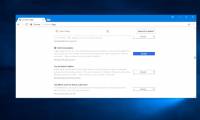 How to Enable Site Isolation Security Feature on Chrome4 minutes read
 The Security Feature Prevents the Specter Vulnerability, Which Makes Chrome Account for 10-13% More3 minutes read
 How to Enable Core Isolation Protection on Windows 10 April 20184 minutes read
 How to Enable Site-Specific Browser (SSB) in Firefox4 minutes read
 Enable Multi Window on Android 6.04 minutes read
 How to Enable Tor Features in Firefox Increases Security When Browsing the Web?4 minutes read
Reader Comments 0
Sign in with email or Google to join the discussion.