Table of Contents
This updated guide examines How to Enable Javascript and organizes the essential facts, background, and practical takeaways in clear American English.
Method 1
Chrome
Android
 Open Chrome. It's a red, green, yellow, and blue spherical icon.
 Tap⋮. This icon is in the top-right corner of the screen.
 TapSettings. It's near the bottom of the drop-down menu.
 Scroll down and tapSite settings. It's about halfway down the page.
 TapJavaScript. This option is near the middle of the Site Settings page.
 Tap the greyJavaScriptswitch. It will slide right and turn blue or green
 . Doing so enables JavaScript on your Android's Chrome browser.
Desktop
 Open Google Chrome. This browser resembles a red, green, yellow, and blue sphere icon.
 Click⋮. It's in the top-right corner of the browser's window.
 ClickSettings. This option is near the bottom of the drop-down menu.
 Scroll down and click Advanced
 . It's at the bottom of the menu.
 Scroll down and clickContent settings. This option is toward the bottom of the "Privacy & Security" group of options.
 Click<> JavaScript. It's near the middle of the page.
 Turn on JavaScript. Click the switch next to Allowed (recommended) to the "ON" position so it turns blue.
Note: If this switch is already blue, JavaScript is already enabled in your Chrome browser.
 Make sure you aren't blocking JavaScript. Any sites beneath the "Block" heading on this page won't be allowed to use JavaScript. To remove sites from the block list:
- Click ⋮ to the right of the site's name.
- Click Remove in the drop-down menu.
Method 2
Safari
iPhone
 Open your iPhone's Settings
 . It's a grey group of gears on the Home Screen.
 Scroll down and tapSafari. This option is roughly halfway down the Settings page. There's a blue Safari icon on the left side of this option.
 Scroll all the way down and tapAdvanced. It's at the bottom of the screen.
 Slide the white JavaScript
 switch right. It will turn green
 . Doing so enables JavaScript on your iPhone's Safari browser.
Tip: You may need to close and re-open Safari in order for JavaScript to start working.
Mac
 Open Safari. It's a blue, compass-shaped app in the Dock.
 ClickSafari. This menu item is in the top-left corner of your Mac's screen.
 ClickPreferences. It's near the top of the Safari drop-down menu.
 Click theSecuritytab. This option is in the middle of the Settings window.
 Check the "Enable JavaScript" box. It's next to the "Web content:" heading. Doing so enables JavaScript in Safari, though you'll most likely need to refresh your browser before affected pages will work.
Note: If there's a checkmark in this box, JavaScript is already enabled in Safari.
Method 3
Firefox
 Open Firefox. It's a blue globe with an orange fox on it. By default, Firefox enables JavaScript and prevents you from changing this setting, but some applications interfere with the JavaScript implementation.
 Click☰. This option is in the top-right side of the Firefox window.
 ClickAdd-ons. It's a puzzle piece-shaped icon in the drop-down menu.
 Look for a JavaScript-blocking extension. Some of the more popular JavaScript-blocking extensions include "No-Script", "QuickJava", and "SettingSanity".
 Disable any JavaScript-blocking extensions. Click the problem extension and then click Disable or Remove when prompted.{{greenbox: Note: You'll have to restart Firefox for your changes to take place.
- {"smallUrl":"https://www.wikihow.com/images/thumb/3/3a/Enable-JavaScript-Step-29.jpg/v4-460px-Enable-JavaScript-Step-29.jpg","bigUrl":"https://www.wikihow.com/images/thumb/3/3a/Enable-JavaScript-Step-29.jpg/v4-760px-Enable-JavaScript-Step-29.jpg","smallWidth":460,"smallHeight":345,"bigWidth":760,"bigHeight":570,"licensing":"
License: Fair Use (screenshot) n
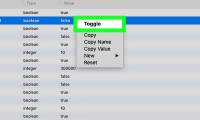
"} Enable JavaScript through the advanced user settings. If disabling the JavaScript-blocking extensions didn't fix your problem, you may need to enable JavaScript from within Firefox's hidden settings:- Enterabout:configinto the Firefox URL bar.
- Click I accept the risk! .
- Typejavascript.enabledinto the search bar below the URL bar.
- Make sure the "Value" section of the javascript.enabled item says "False".
- If it says "true", JavaScript is enabled. Delete and reinstall Firefox.
- Double-click javascript.enabled .
- Restart Firefox.
 Reinstall Firefox. If all else fails, uninstall and reinstall Firefox to restore all of the default settings. Because JavaScript is a foundation of the Firefox browser, reinstalling should restore its functionality.[1]XResearch source
Method 4
Microsoft Edge
 Open Start
 on Windows 10 Pro or higher. You can't enable or disable JavaScript in Microsoft Edge in Windows 10 Home or Starter editions.
 Typeedit group policyinto Start. This will search your computer for the Edit Group Policy program.
 ClickEdit Group Policy. It should be at the top of the Start window.
 Navigate to the "Microsoft Edge" folder. To do so:
- Double-click User Configuration .
- Double-click Administrative Templates .
- Double-click Windows Components .
- Double-click Microsoft Edge .
 Double-clickAllows you to run scripts, like JavaScript. Doing so opens a window with JavaScript options.
 ClickEnabled. This will enable JavaScript in your browser.
Note: If Enabled already has a check next to it, JavaScript is enabled in Edge.
 ClickOK. It's at the bottom of the window. Doing so will save your settings and apply JavaScript to Edge, though you may need to restart the Edge browser before these changes show up.
Method 5
Internet Explorer
 Open Internet Explorer. It resembles a blue "e" with a yellow band around it.
 Click Settings ⚙️. This option is in the top-right corner of the Internet Explorer window.
 ClickInternet options. It's near the bottom of the drop-down menu.
 Click theSecuritytab. This is near the top of the Internet Options window.
 Click theInternetglobe. It's in the window near the top of Internet Options.
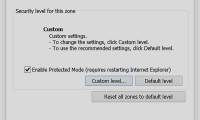
 ClickCustom level. This option is in the "Security level for this zone" section near the bottom of the Internet Options window.
 Scroll down to the "Scripting" section. It's near the bottom of the Settings window.
 Check the "Enable" box below the "Active scripting" heading. This will turn on JavaScript for your browser.
 ClickOK. It's at the bottom of the window.
 ClickApply, then clickOK. Doing so saves your settings, though you may need to close and re-open Internet Explorer for JavaScript to load properly.
FAQ
What is How to Enable Javascript about?
It provides a structured overview of javascript, explains the main context, and highlights practical takeaways for readers.
Why does this topic matter?
Understanding the main concepts helps readers evaluate the issue, avoid common mistakes, and make better-informed decisions.
How should readers use this information?
Use the guidance as a practical starting point, confirm details that may have changed, and follow current product, safety, or security recommendations.
Related Articles
 How to Enable Javascript on a Mac6 minutes read
 How to Enable JavaScript: Clear Instructions9 minutes read
 Enable or Disable JavaScript on Chrome11 minutes read
 Enable / Disable Javascript on Chrome Browser5 minutes read
 How to Enable Cookies and JavaScript: Clear Instructions12 minutes read
 How to Enable JavaScript on Android Phone: Practical Guide6 minutes read
Reader Comments 0
Sign in with email or Google to join the discussion.