Table of Contents
If your USB drive suddenly shows shortcuts in place of files, leave the shortcuts unopened. Scan both the USB drive and the computer first. Some shortcut malware hides existing files, so you may still be able to recover them after the scans.
Scan the USB drive and the PC
- Open File Explorer > This PC. Right-click the USB drive and select Scan with Microsoft Defender. On Windows 11, you may need Show more options. If you use another security product, scan the drive from that product instead.
- In Windows Security > Virus & threat protection > Scan options, run a Full scan on the PC. Review what was quarantined or removed. If threats keep returning, consider Microsoft Defender Offline scan and save your work first because the PC restarts.
- While you investigate, avoid connecting the same USB drive to other computers. If another PC already opened the shortcuts, scan it too.
See Microsoft’s instructions for scanning an item if the File Explorer command is missing.
Look for the original files after scanning
In Windows 11 File Explorer, open View > Show > Hidden items and enable File name extensions from the same menu. In Windows 10, look for those options on the View tab. Copy only documents or photos you recognize to a clean location and scan the copies. Leave unexpected shortcuts, scripts, and installers behind.
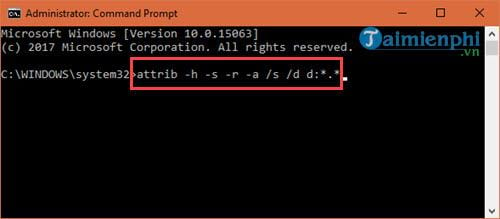
Changing an attribute can make a hidden file visible. It doesn’t remove malware or bring back a deleted file. Use the guide to finding hidden USB files for recovery steps if the files still don’t appear.
Screenshots from the earlier guide
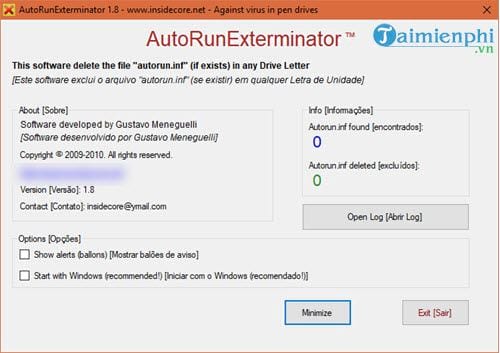
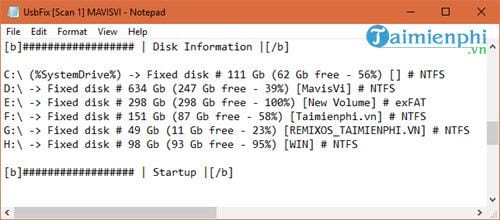
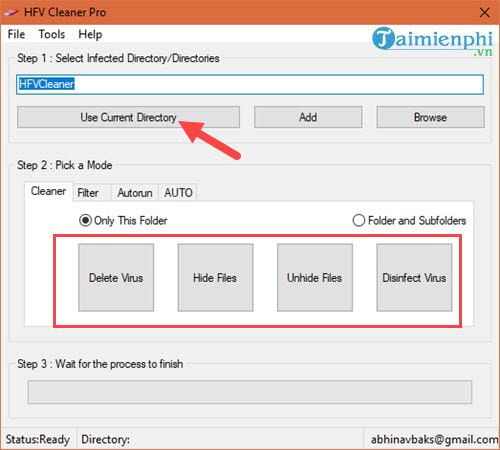
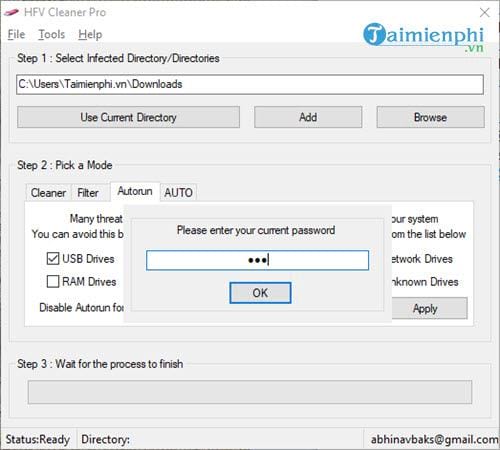
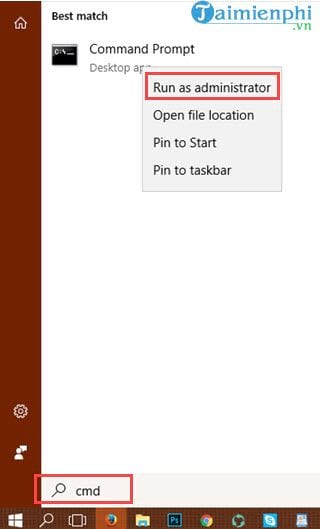
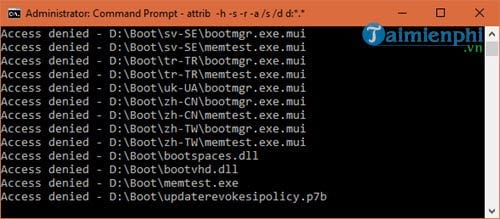
These images show older third-party utilities and a legacy Command Prompt example. Use your current security tool for cleanup. Treat file visibility and threat removal as separate steps.


Related Articles
 The shortcut virus removal has never been this simple
 How to remove Shortcut Virus on USB and computer
 How to Remove Shortcut Virus on Windows
 How to completely remove W32.UsbFakeDrive Virus on computer and USB
 Completely remove URL Mal Virus - http://107.170.47.181
 What is the Bytefence virus? How to remove it?
Reader Comments 0
Sign in with email or Google to join the discussion.