Table of Contents
This updated guide examines Click: How to Disable Imessage and organizes the essential facts, background, and practical takeaways in clear American English.
Method 1of 2:
On an iPhone or iPad
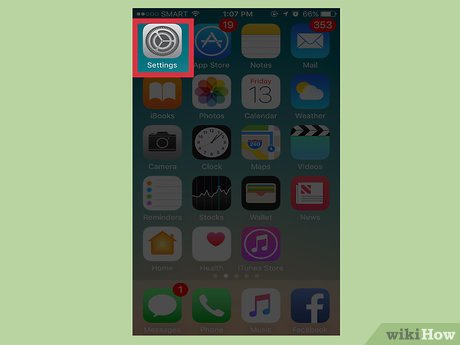 Open your iPhone's Settings. It's an app with gray cogs you may find in a folder labeled 'Utilities.'
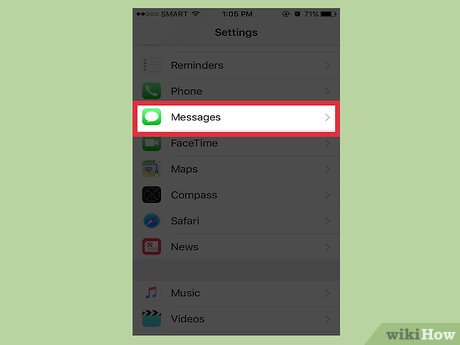 Scroll down and tapMessages. It's in the fifth set of options.
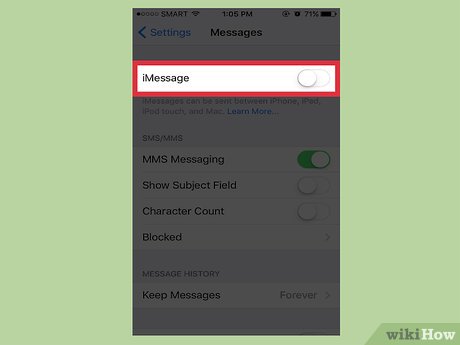 Slide the iMessage button to the 'off' position. It will turn white, and iMessage will be disabled.
- You will still receive messages from friends using iMessage, but they will come to you as SMS.
- Turning iMessage off is ideal for saving cellular data and if you don't have good internet connection. It's also necessary to do before you switch to another smartphone with the same number, or you won't receive your texts.
- Your iPad won't have messaging capability without iMessage enabled.
Method 2of 2:
On a Mac
 Press⌘Command+Spaceto open Spotlight.
- iMessage is only available on OS X Mountain Lion or higher.
 Type "Messages. "
 Press↵Enter
 ClickMessagesin the menu bar. It's at the top-left corner of the page.
 ClickPreferencesin the drop down menu. This will open the Preferences window.
 ClickAccounts.
- It may send you to the Accounts menu by default, and you won't need to click it.
 Click the box next to "Enable this account. " The box should now be empty.
 ClickOK. You will no longer be able to send or receive iMessages on your Mac.
- If you want to sign out of iMessage altogether, clickSign Outnext to your Apple ID, and then clickSign Outagain. This will take all iMessage information, such as contacts and conversations, off of your Mac.
- If you're still receiving SMS messages on your Mac and want to disable it, you'll need to disable Text Message Forwarding on your iPhone. This is in your Messages settings.
FAQ
What is Click: How to Disable Imessage about?
It provides a structured overview of click, explains the main context, and highlights practical takeaways for readers.
Why does this topic matter?
Understanding the main concepts helps readers evaluate the issue, avoid common mistakes, and make better-informed decisions.
How should readers use this information?
Use the guidance as a practical starting point, confirm details that may have changed, and follow current product, safety, or security recommendations.
Related Articles
 How to Cancel Imessage on iPhone, iPad and Computer: Step-by-Step Guide3 minutes read
 iPhone Users Urged to Disable iMessage Because of Zero-day Vulnerability4 minutes read
 10 New Things You Can Do on the Imessage App10 minutes read
 How to Fix Cannot Log in to IMessage on Mac5 minutes read
 Completely Turn Off Imessage on Apple Devices5 minutes read
 These Are Fascinating Changes on Imessage iOS 117 minutes read
Reader Comments 0
Sign in with email or Google to join the discussion.