Table of Contents
This updated guide examines How to Disable Color Emojis in Debian 10 (Buster) and organizes the essential facts, background, and practical takeaways in clear American English.
If you don't like these color emojis and want to return to the old black and white icons, read this guide for how to do it.
How to view emoji in text editor?
Open a graphical text editor, like gedit , right click and then select the Insert Emoji option . Alternatively, you can use the keyboard shortcutCtrl+.To open the emoticon dialog box as follows:
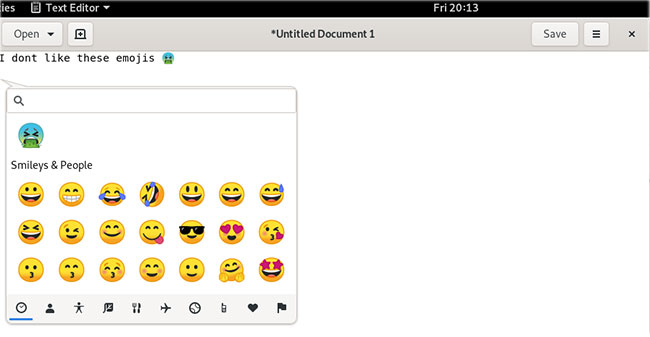
Uninstall colored emoji
To disable color emojis in apps, follow these steps:
1. Open Terminal with Application Launcher Search, accessible via Super / Windows key .
2. Enter the following command as root user:
$ sudo apt remove fonts-noto-color-emoji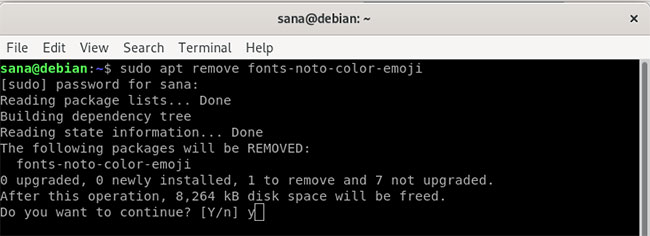
3. Enterywhen you see the Y / N option during the installation process.
The Noto Color Emoji font will be removed from the system and you will get the following black and white emoticon dialog box in text editor and other Debian applications:
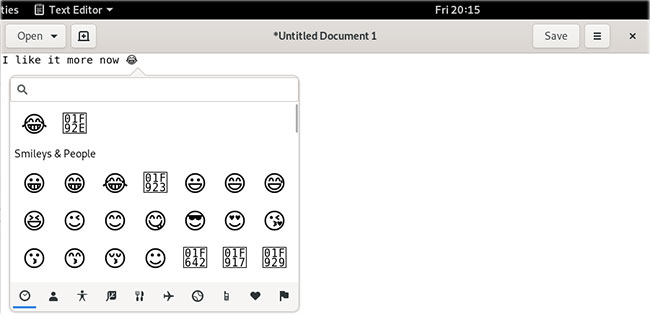
Reinstall the colored emoji
The color emoji uninstallation process is reversible, meaning that you can reinstall the font by entering the following command as sudo in Terminal:
$ sudo apt install fonts-noto-color-emojiYou should now be able to use color emoticons on your Debian system again.
FAQ
What is How to Disable Color Emojis in Debian 10 (Buster) about?
It provides a structured overview of Debian 10, explains the main context, and highlights practical takeaways for readers.
Why does this topic matter?
Understanding the main concepts helps readers evaluate the issue, avoid common mistakes, and make better-informed decisions.
How should readers use this information?
Use the guidance as a practical starting point, confirm details that may have changed, and follow current product, safety, or security recommendations.
Related Articles
 Debian 10 Buster, New Features in Debian 10 Buster6 minutes read
 How to Upgrade Raspberry Pi to Raspbian Buster5 minutes read
 A Comprehensive Guide to Emojis in Social Media Marketing6 minutes read
 How to Enable // Disable Automatic Login in Debian 105 minutes read
 Button: How to Type Emojis on Windows 8 and Later1 minutes read
 How to Install Debian on a Computer9 minutes read
Reader Comments 0
Sign in with email or Google to join the discussion.