Table of Contents
Learning how to detect viruses using process explorer quickly and effectively doesn't have to be complicated. This updated guide presents a clear workflow, practical checks, and troubleshooting advice you can use while completing the process.
Key Takeaways
- Review instructions for detecting viruses using process explorer.
- Follow the recommended steps in order to avoid common mistakes with detect viruses using process explorer quickly and effectively.
- Review compatibility, settings, or requirements before making changes.
Instructions for Detecting Viruses Using Process Explorer
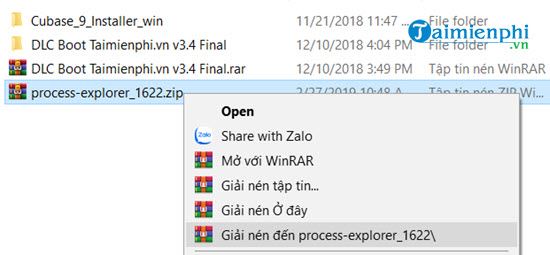
Step 1: After downloading Process Explorer, proceed to extract it using WinRAR.
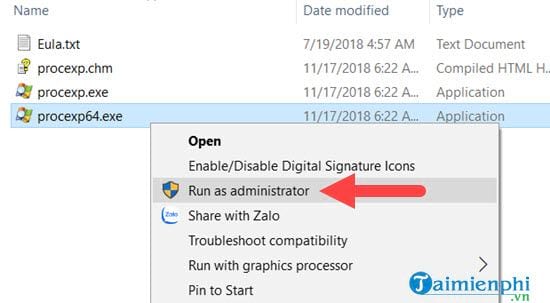
Step 2: Next, go into the Process Explorer folder, there are 2 parts: procexp.exe and procexp64.exe corresponding to your Windows 32-bit or 64-bit operating system. Depending on the operating system, choose the corresponding one, but run it under Run as administrator permission.
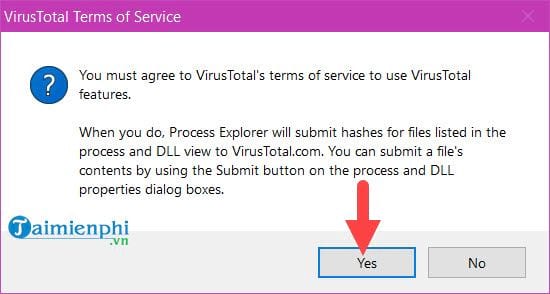
Step 3: Click Agree.

Step 4: Proceed to virus check.

Step 5: Select Options > select VirusTotal and click Check VirusTotal.

Step 6: Confirm your agreement to allow VirusTotal to check the components and processes running on your computer.
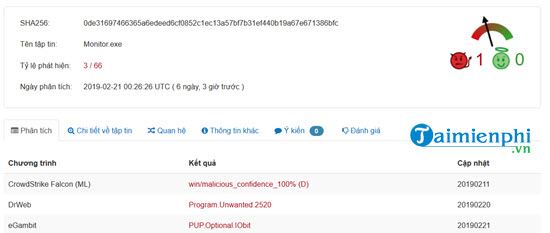
Step 7: Wait for the system to check for a while, about 2-3 minutes you will see the VirusTotal column appear and divided into 2 values of green and red. If green means no virus and red means yes. In addition, the number of viruses also appears, for instance 3/66, which means 3 types of viruses have been detected out of 66 known types.
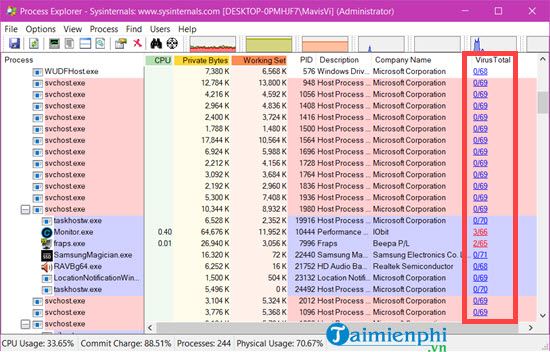
Click specifically and you will know the name of the virus that is infected in that program.
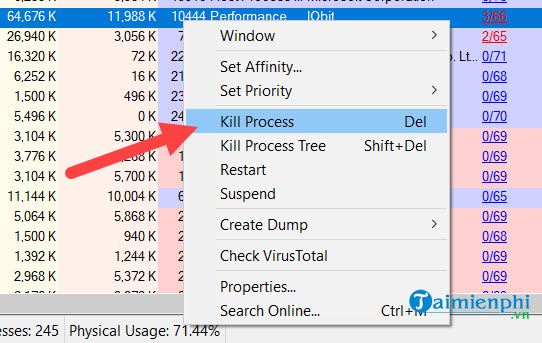
Step 8: Select Kill Process.
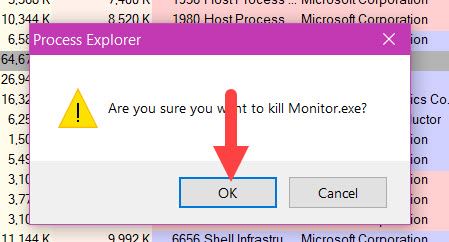
Step 9: Confirm the removal of the running program and click Yes. However, if it is a system program, you should be careful because it can cause temporary problems with the Windows you are using.
Process Explorer not only helps you monitor system processes, but also helps you quickly detect potential malware on Windows. You can check it with VirusTotal and use advanced security software to protect your data more securely if you see a suspicious process.
Final Thoughts
The most reliable way to handle detect viruses using process explorer quickly and effectively is to follow the process in order, verify each important setting, and test the result before moving on. Use the guidance above as a practical reference, then adjust the details for your device, software version, or specific goal.
FAQ
What should I check before I detect viruses using process explorer quickly and effectively?
Use the latest available software, confirm that your device meets the requirements, and make sure you have the necessary permissions, account access, or backup before changing anything.
Why might I be unable to detect viruses using process explorer quickly and effectively?
Common causes include outdated software, missing permissions, incompatible settings, incomplete setup steps, or a temporary network problem. Recheck the process from the beginning and restart the app or device if needed.
Is it safe to detect viruses using process explorer quickly and effectively?
It is generally safe when you use official tools, review every permission, and back up important data before making system-level or account-level changes.
Related Articles
 How to Scan Viruses on Windows with Process Explorer5 minutes read
 How to Check the App Using Webcam Using Process Explorer6 minutes read
 10 Ways to Detect and Eradicate Computer Viruses7 minutes read
 Error File Explorer.exe on Windows 10 - Causes and Fixes6 minutes read
 How to Restart the Windows Explorer. Exe Process5 minutes read
 Is Explorer. Exe a Virus?4 minutes read
Reader Comments 0
Sign in with email or Google to join the discussion.