Table of Contents
This updated guide explains how to change the default view of file explorer Windows 11 with clear steps, practical tips, and useful context. Windows 11 provides many views in File Explorer so that we can change them to our liking. Users can switch to a mode that displays large icons, a more compact list, or displays detailed information for each file in Windows.
Instructions to Change the Default View of File Explorer Windows 11
Step 1:
Users press the Windows + E key combination to open File Explorer on the computer. Next, select the folder you want to customize on the left side of the interface.

Step 2:
In the File Explorer window, choose the View tab at the top to select the view you want.

Step 3:
This displays an interface with a list of File Explorer views for this folder for you to choose from for the view.

Step 4:
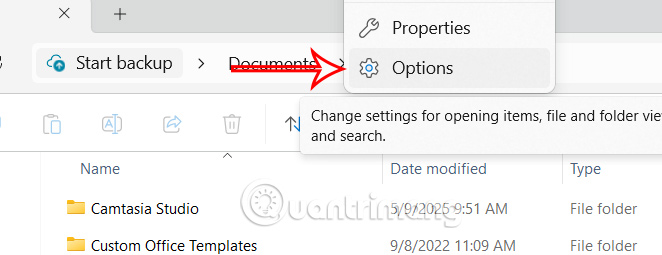
After selecting the new view, select the 3 dots icon and select Options in the displayed list.
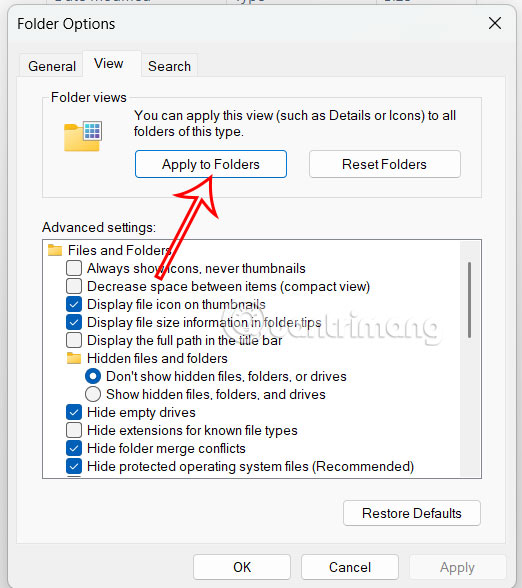
In the Folder Options interface, select the View tab and select Apply to Folders to apply to all folders on the computer.
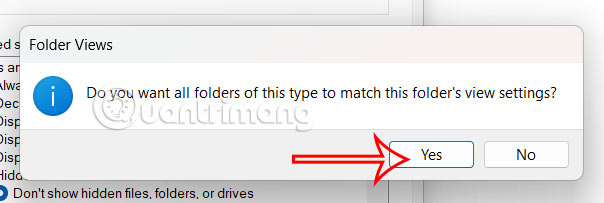
A dialog box appears asking you to apply this view to all folders, choose OK.
How to Customize the View on Windows 11
After you set up a basic folder view, Windows 11 offers customization tools to change how File Explorer works.
Add or Remove Columns in a View
Right -select any column in File Explorer and you will see options as shown to change the information displayed.
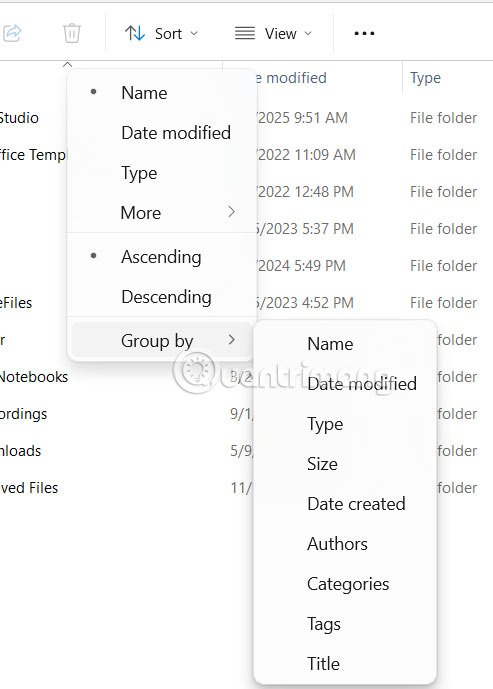
Use group options
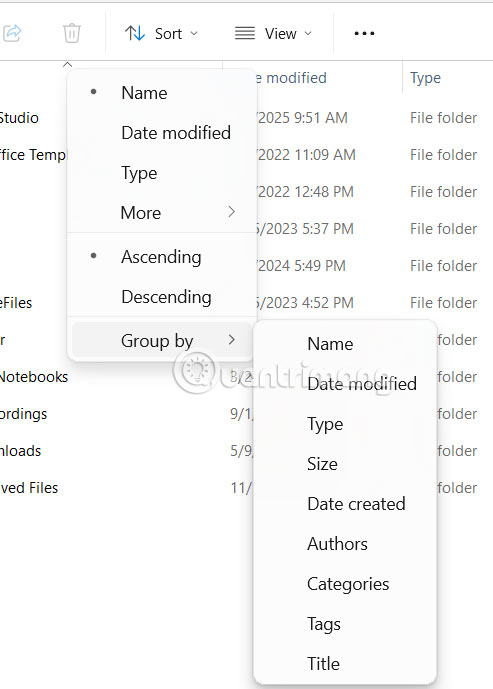
To group files, common characteristics, open. Sort > Show > Group by and select your grouping criteria.
Access Hidden Files and Extensions
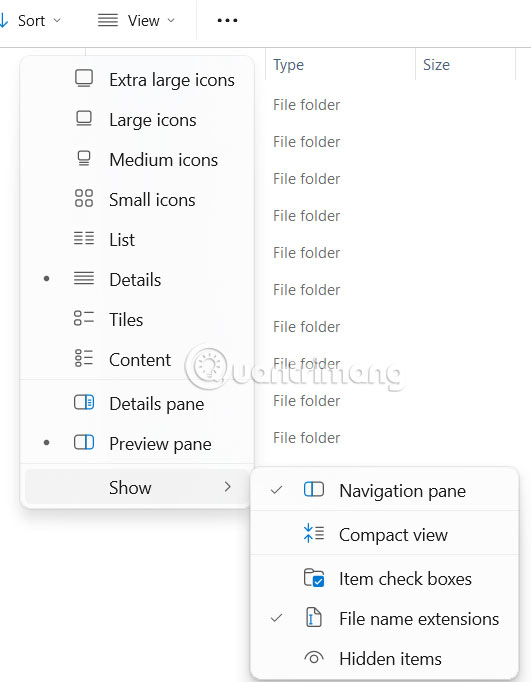
choose View > Show and then choose to access hidden files or extensions on your computer.
FAQ
What should I prepare before I change the default view of file explorer windows 11?
Review the requirements and options in the guide first. Having the correct device, app version, account access, or materials ready helps prevent avoidable errors.
How long does it take to change the default view of file explorer windows 11?
The time depends on the task and your setup. Most basic steps can be completed quickly, while downloads, updates, scans, or troubleshooting may take longer.
What should I do if the steps do not work?
Repeat the instructions in order, confirm that your software or device is supported, and check permissions, connectivity, and available updates before trying again.
Related Articles
 How to Change the Default Opening Location of File Explorer3 minutes read
 Instructions to Change the Default File Explorer Folder3 minutes read
 5 Best Windows File Explorer Extensions to Manage Files on the8 minutes read
 Here's How to Make the File Explorer Windows 10 Interface Look3 minutes read
 How to Change the Group by View of a Folder in Windows 104 minutes read
 How to Install a New File Explorer Icon Set Like Windows 103 minutes read
Reader Comments 0
Sign in with email or Google to join the discussion.