Table of Contents
This practical guide explains how to assemble expansion cards for computers with clear steps and useful context. It also covers common requirements, potential problems, and the details that can help you get better results.
Determine the Standard Pins of the Card and Mainboard
- First of all, you need to determine what type of card to attach and which slot to attach, you can see the manual that comes with the Mainboard and Card for details.
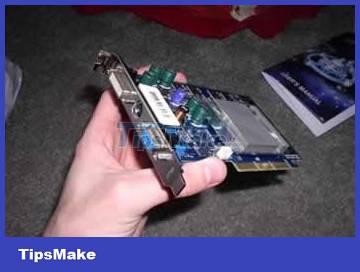 Determine the standard pin of the card
Select the Appropriate Mounting Position on the Mainboard
- Select the appropriate mounting location and remove the slot cover located at the rear of the case, which will be slightly above the slot.
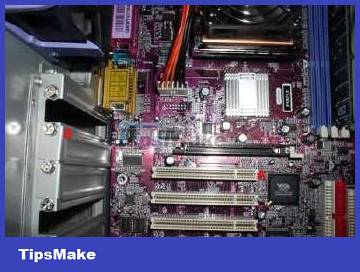 Select the appropriate mounting position on the Mainboard
Insert the Card into the Slot on the Mainboard
- Insert the Card into the slot on the maninboard and press the Card firmly into the slot with your hand. Some cards will have a buckle on the back, keep an eye out for them.
 Insert the Card into the slot on the motherboard
- Get the card locating screw with the case.
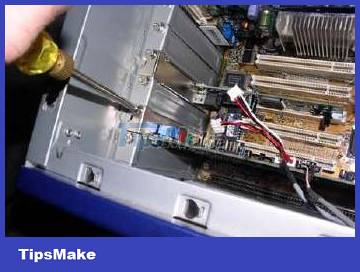 Getting the card to locate the card with the case
- The Card must be inserted into the correct slot type, the pins must be close to the slot.
- Normally, after turning on the device, the operating system will automatically detect the device and ask to install the driver program (Driver) for the device. If the driver installation fails, usually due to a conflict between devices, it can be overcome by changing the card to another slot if it is available.
Conclusion
Understanding Expansion Card makes it easier to compare options, avoid common mistakes, and apply the information in this guide more effectively. Review the relevant requirements before making changes or choosing a solution.
FAQ
How do you assemble expansion cards for computers?
Follow the steps in this guide in order, confirm the required settings or tools, and verify the result before making additional changes.
Is it safe to assemble expansion cards for computers?
It is generally safe when you follow the recommended instructions, use trusted tools, and avoid changing settings you do not understand.
What should you do if the process does not work?
Recheck the requirements, restart the device or application when appropriate, and review each step for missed settings or compatibility issues.
Related Articles
 The Best Online Tools to Help You Assemble and Build Your Computer6 minutes read
 Instructions on How to Build a Computer at Home Simply and13 minutes read
 Computer Internal Parts10 minutes read
 The Reason Why You Should Assemble Yourself Is a Hackintosh Computer Instead of Buying a Mac7 minutes read
 How to Assemble CPUs from Intel and AMD6 minutes read
 Top 7 Best Text Expansion Tools for Windows7 minutes read
Reader Comments 0
Sign in with email or Google to join the discussion.