Table of Contents
This updated guide explores here's how tor works and what it really hides from your ISP with practical details, clear explanations, and useful takeaways. Your ISP knows when you 're using Tor - they just cannot see what you're doing while using Tor. So while using the Tor Browser and Tor Network makes you feel completely anonymous, you might be surprised by its limitations and how to use it safely.
How Does Tor Hide Your Activity from Your ISP?
Tor works by routing your Internet traffic through multiple servers before reaching its final destination. When you use Tor, your data is encrypted in three layers and passes through three different types of nodes: Entry nodes, Middle nodes, and Exit nodes. Each node only knows where the data came from and where it needs to go next, but no node knows the full path from your computer to the website you are visiting.
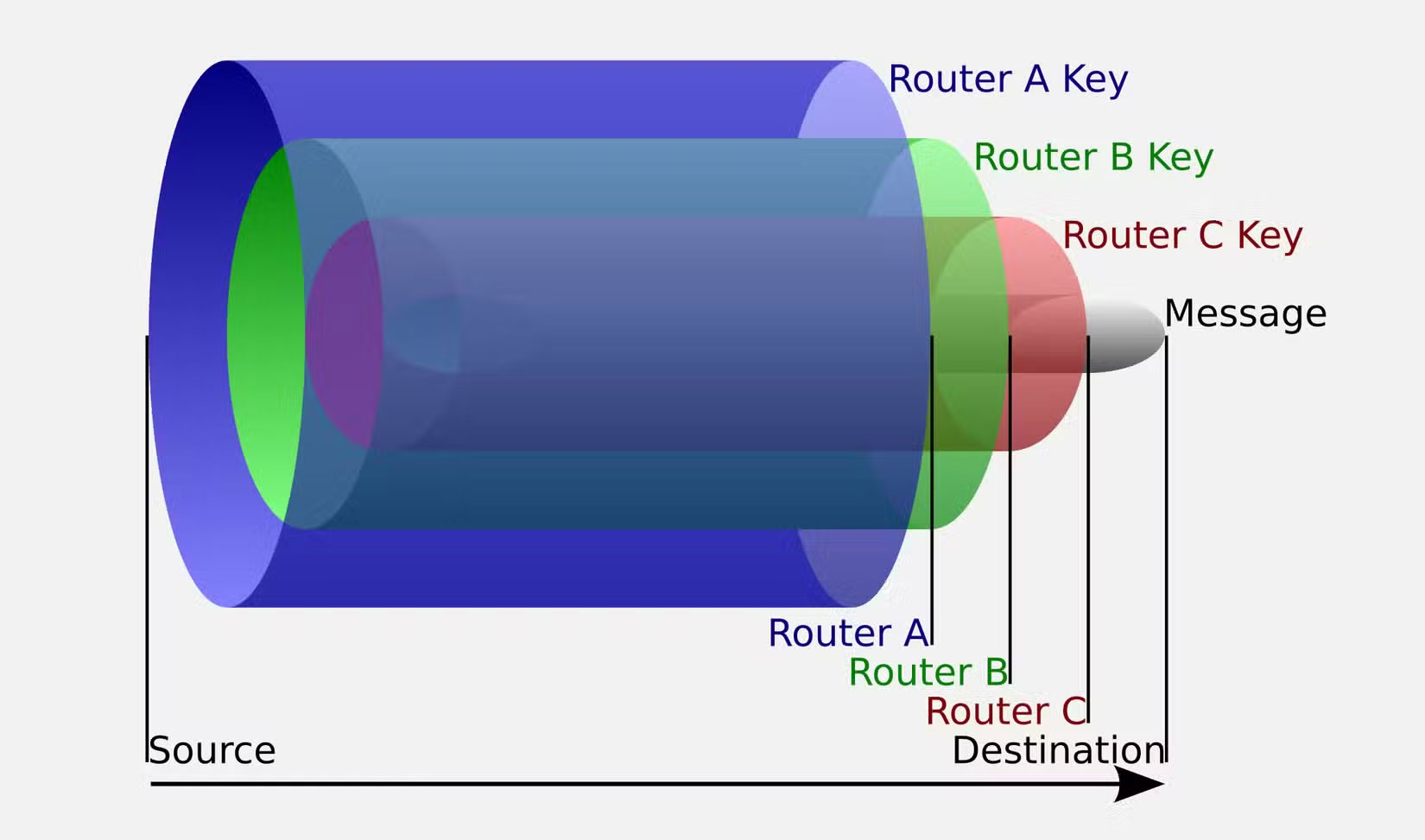
Here's how it actually works. When you want to visit a website using Tor, your browser first encrypts your request three times using the public key from one of the three nodes it intends to use. Your computer sends this triple-encrypted packet to the Entry node, which removes the first layer of encryption and forwards the data to the Middle node. This node removes the second layer and sends it to the Exit node, which removes the final layer and forwards your request to the actual website.
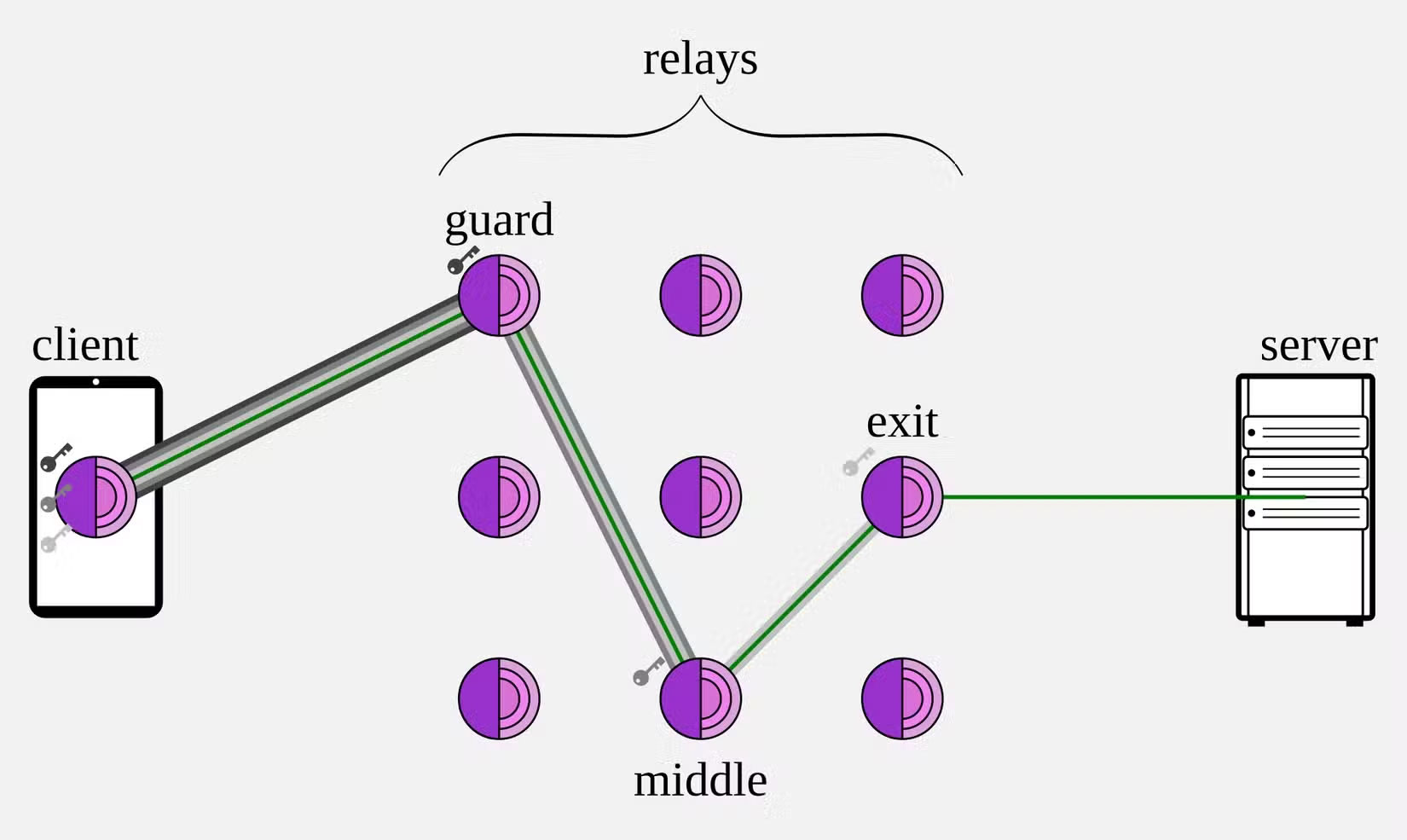
This system prevents your ISP from seeing what websites you're visiting, since it only sees the encrypted traffic that goes to the first Tor node. The ISP knows you're connecting to the Tor entry node, but it cannot see that you're actually trying to access Facebook, Gmail, or any other specific website. The websites you visit will see the IP address of the Exit node, not your real IP address, which helps protect your identity from the websites themselves.
The encryption Tor uses makes it nearly impossible for ISPs to decrypt your traffic and figure out what you're doing online. Even if your ISP wanted to intercept and analyze your data, they would only see encrypted information and not reveal your actual browsing activity.
What Your ISP Can (and Cannot) See When You Use Tor
While Tor does a great job of hiding your browsing activity, your ISP can still detect certain things about how you use the Internet. It can tell that you are using Tor in the first place because your ISP can see that you are connecting to known Tor entry nodes. Most Tor entry nodes are publicly listed, so your ISP can easily check to see if you are connecting to one of these servers.
Your ISP can see how much data you send and receive while using Tor, along with how long your connection lasts. It knows when you start using Tor, how long you stay connected, and how much traffic passes through during the session. This metadata does not reveal the specific sites you're visiting, but it does provide a general picture of your Tor usage patterns.
Still, there are important limitations to what your ISP can see. It cannot see the specific websites you visit, the content you download, or the searches you perform while using Tor. Your ISP also cannot read your messages, see your login information, or access any other sensitive information you transmit over the Tor network because the data is encrypted before it leaves your computer.
to keep your ISP from knowing that you're using Tor, consider using a VPN. A VPN acts as a secure tunnel between your device and the Internet, which is one of the main reasons to sign up for a reputable VPN service. When you connect to Tor through a VPN, your ISP will only see that you're connecting to a VPN server and not that you're using Tor. This makes your activity look like regular VPN traffic, reducing the likelihood of attracting attention or suspicion from your ISP.
Is Tor Safe to Use?
Tor is safe to use and offers strong privacy protection, but it is not perfect. The easiest and most reliable way to use Tor is through the official Tor Browser, which is designed to keep your connection secure and your identity private. If you try other ways to access the Tor network, you need to be careful with your settings and understand how your tools work, as bugs or poor network hygiene can undermine your privacy.
When it comes to potential legal conflicts, Tor itself is perfectly legal to use in most countries. Authoritarian governments and law enforcement agencies sometimes attempt to block or monitor Tor usage, but using the software will not get you into legal trouble in most places. Although any country with strict encryption laws will likely be different, such as China, Russia, Iran, Belarus, and Turkmenistan. Always check local laws before starting Tor, as you may be breaking the law without realizing it.
Many legitimate users rely on Tor, including journalists, activists, and privacy-conscious individuals who want to protect their online activities from surveillance. So you shouldn't have to worry about using Tor.
Still, there are some practical drawbacks to this software that It is best to consider. Tor connections are significantly slower than regular internet browsing because your traffic has to pass through multiple servers. Some websites also block connections from known Tor exit nodes, meaning you may not be able to access certain services when using the browser.
Overall, Tor offers solid protection for users who need to remain anonymous online, but It is best to understand its limitations and use it as part of a broader security strategy rather than relying on it as your sole security tool.
FAQ
What is the main takeaway about Here's How Tor Works and What It Really Hides from Your ISP?
The key is to understand the core idea, compare the available options, and apply the practical guidance that matches your situation.
What should beginners know about Here's How Tor Works and What It Really Hides from Your ISP?
Start with the essential steps and terminology. Avoid changing advanced settings until you understand how they affect performance, privacy, cost, or compatibility.
How can I use this information in practice?
Follow the relevant section in order, test one change at a time, and confirm the result before moving to the next step or recommendation.
Related Articles
 Why Would It Be Better If YouTube Didn't Show Dislikes?7 minutes read
 Interesting Photo Series to Help You Understand How the World Around Us Works?5 minutes read
 How Phishing Works and How to Stay Safe13 minutes read
 This Is What Happens on the TV Screen at 380,000 Frames per Second3 minutes read
 Instructions for Opening and Converting Microsoft Works File Formats5 minutes read
 How to Install Microsoft Works on Windows 10/11: Practical Guide6 minutes read
Reader Comments 0
Sign in with email or Google to join the discussion.