Table of Contents
This article gives a clear answer about Has Google Solved the 'Gluttonous' RAM Problem of Chrome Browser. It explains the main idea, practical context, and details that help readers understand the subject.
Understanding Has Google Solved the 'Gluttonous' RAM Problem of Chrome Browser
Although there are many advantages such as fast, compact, and have a huge repository of extensions, Google Chrome has a huge disadvantage that makes users uncomfortable that is consuming too much RAM of the system.
In the past, in addition to adding some new features such as Tab Group (Group Tab), Windows Mixed Reality support, Dark Mode, Google is also constantly searching for solutions to solve the problem of consuming RAM of Chrome.
After many updates, it seems that Google finally found an answer to limit Chrome's "RAM". According to information from Google, users will be able to turn on the disable-best-effort-tasks feature to Chrome flags in Chrome Flags, temporarily delaying the execution of some processes on Chrome, keeping usage levels down. The minimum threshold RAM reduces the browser's memory usage.
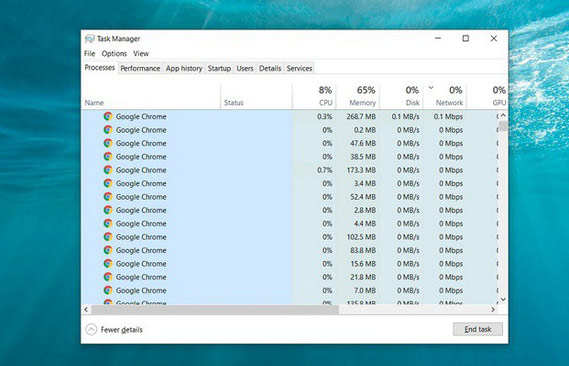
When the Add disable-best-effort-tasks to Chrome flags feature is enabled, it is likely that Chrome will ignore the lowest priority features and prioritize the processing of the highest priority processes.
Hopefully, Google will bring this new feature into the upcoming versions so that users have a chance to experience.
FAQ
What is the main point of Has Google Solved the 'Gluttonous' RAM Problem of Chrome Browser?
Although there are many advantages such as fast, compact, and have a huge repository of extensions, Google Chrome has a huge disadvantage that makes users uncomfortable that is consuming too much RAM of the system. In the past, in addition to adding some new features such as Tab.
Why is Has Google Solved the 'Gluttonous' RAM Problem of Chrome Browser important?
Has Google Solved the 'Gluttonous' RAM Problem of Chrome Browser matters because it can affect how readers understand, choose, use, or respond to the subject discussed in the article.
What should readers verify about Has Google Solved the 'Gluttonous' RAM Problem of Chrome Browser?
Check the date, product or software version, compatibility, and any current guidance before acting, especially when technology, security, health, or pricing is involved.
Related Articles
 Google Promises to Give Priority to Quickly Fix Chrome's Battery4 minutes read
 How Does Google Chrome 'Gluttonous' RAM Come?2 minutes read
 Google Put a Hand on the Tool Bar on Chrome3 minutes read
 Google Released Google Chrome 263 minutes read
 Why You Should Replace Google Chrome?6 minutes read
 Google Chrome Is Now 23% Faster, Have You Tried It?3 minutes read
Reader Comments 0
Sign in with email or Google to join the discussion.