Table of Contents
Copy anything you need off the USB drive before formatting it. Formatting makes the existing files inaccessible through normal browsing. If the drive is simply full, you can move or delete files to make space.
Choose a file system
- exFAT: A practical choice for moving large files between current Windows and Mac computers.
- FAT32: Useful when an older camera, TV, or other device specifically requires it. A single file must be smaller than 4 GiB.
- NTFS: Useful for Windows-only use or when Windows permissions matter. Check compatibility before choosing it for other devices.
If the USB drive is for a particular device, use the file system named in its manual. See Microsoft’s file system comparison for limits and features.
Format the USB drive in File Explorer
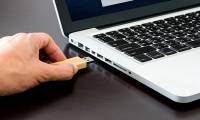
- Connect the drive and open This PC in File Explorer. Verify the USB drive by its label, capacity, and drive letter.
- Right-click the drive and choose Format. Select the file system, enter a label, and leave allocation unit size at the default unless the device requires something else.
- For a healthy drive, Quick Format is usually sufficient. Click Start and confirm only after checking the selected drive again.
Use Disk Management if the drive is missing in Explorer
Right-click Start and choose Disk Management. Find the USB drive by capacity, then right-click its volume and choose Format if available. The screenshots show the older Computer Management route. If Windows shows the drive as unallocated and you expected files on it, stop before creating a new volume.


After formatting finishes, copy a sample file onto the drive and open it. Eject the drive before unplugging it. A quick format is not a secure way to erase data before disposing of a drive.


Reader Comments 0
Sign in with email or Google to join the discussion.