Table of Contents
ChatGPT is the better default if you want one assistant for writing, research, image generation, voice, coding, and a broad tool ecosystem. Claude is an equally serious choice for document-heavy work, long-form analysis, visual artifacts, and agentic coding through Claude Code. Neither is universally better: the right choice depends on the feature, model, usage limit, and workflow you actually need.
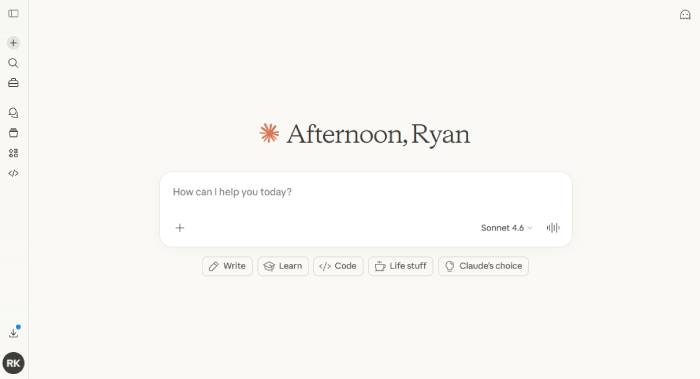
This comparison separates the consumer chat products from their APIs and coding agents. Model names and plan limits change frequently, so check the current ChatGPT pricing page and Claude plans page before paying.
ChatGPT vs Claude at a glance
| Area | ChatGPT | Claude |
|---|---|---|
| Company | OpenAI | Anthropic |
| Core strengths | Broad multimodal and tool ecosystem | Focused chat, documents, artifacts, and work agents |
| Web research | Web search and deeper research workflows | Web search and Research, depending on plan |
| Image input | Analyzes uploaded images | Analyzes uploaded images |
| Native image generation | Yes; can generate and edit images | Not a general-purpose native image generator in the standard chat experience |
| Document workspace | Canvas and file-based work surfaces | Artifacts, Projects, and document-oriented tools |
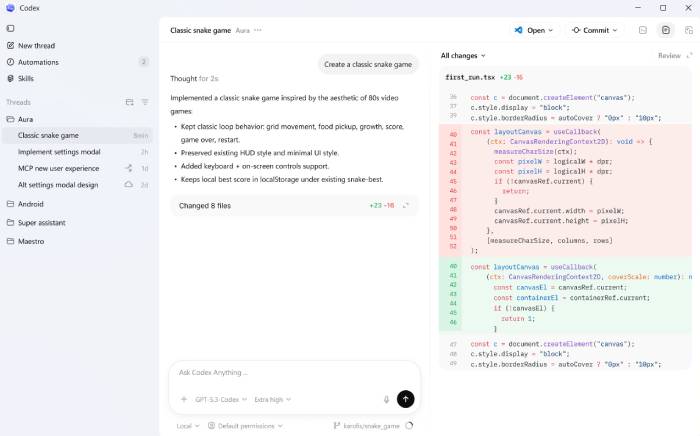
| Coding agent | Codex | Claude Code |
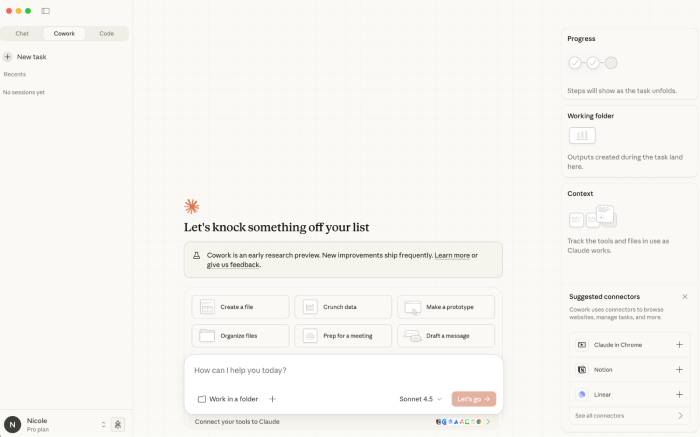
| General work agent | ChatGPT Work and task-specific agents/tools | Claude Cowork |
| Entry paid individual plan | Plus is listed at US$20/month | Pro is listed at US$20/month, with an annual discount |
Prices above are U.S. web prices at the time of review. Taxes, mobile-store pricing, regions, promotions, and plan structure can differ.
Core chat and everyday use
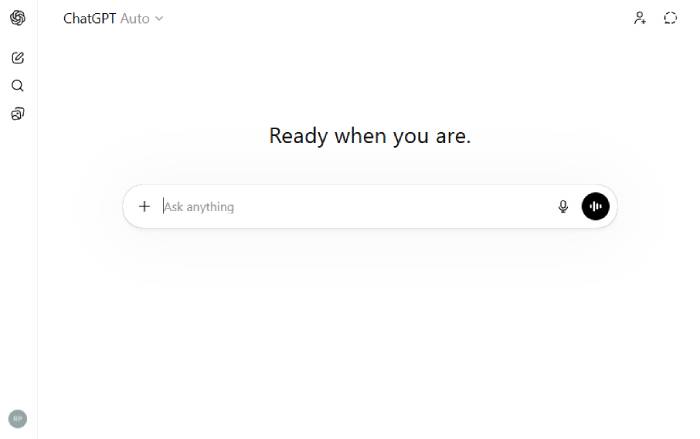
Both services can answer questions, summarize documents, analyze images, write and edit text, generate code, and work with uploaded files. Their main chat boxes are easy to learn, and both offer free access with tighter limits than paid plans.
Do not choose based on a single viral prompt. Output can change with the selected model, system load, tools, and wording. Build a small test set using your real work: one difficult document, one research question, one writing edit, and one task with an objective answer.
Writing and editing
Claude is often preferred by users who like its default long-form tone and the way it develops a draft, but that is a subjective preference rather than a measurable product guarantee. ChatGPT can also write, critique, and revise in specific styles, especially when given a clear audience, sample, and constraints.
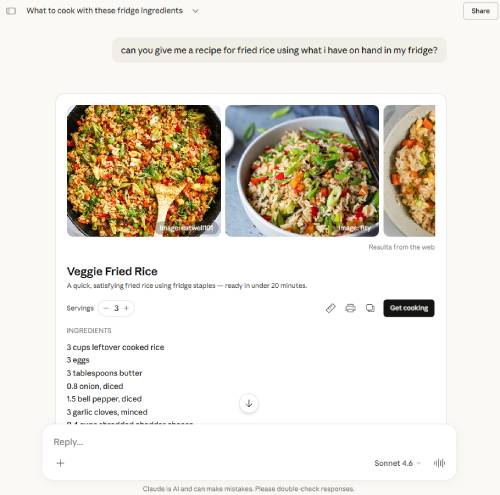
For either service, protect the writer’s voice by supplying a style guide and asking for a change log. Verify quotations, dates, and claims against sources; fluent prose is not evidence.
When Claude may fit better
- You spend most of your time reading and restructuring long documents.
- You prefer Claude’s current interface, Artifacts, or Projects workflow.
- Your organization already uses Claude tools such as Cowork, Claude Code, or Claude for Microsoft 365.
When ChatGPT may fit better
- You want text, image generation, voice, research, and coding in one subscription.
- You use Canvas or other ChatGPT work surfaces to iterate on a document or code.
- Your workflow relies on Codex, skills, plugins, Sites, or connected tools available in your plan.
Research and factual work
Both products can search the web and run deeper research workflows. The useful comparison is not which one “knows more,” but whether the answer identifies primary sources, represents them accurately, covers conflicting evidence, and makes uncertainty visible.

Open every important citation. A source may be real but fail to support the precise sentence. For medical, legal, financial, or safety decisions, use the assistant to organize evidence—not to replace a qualified professional.
Files, spreadsheets, and analysis
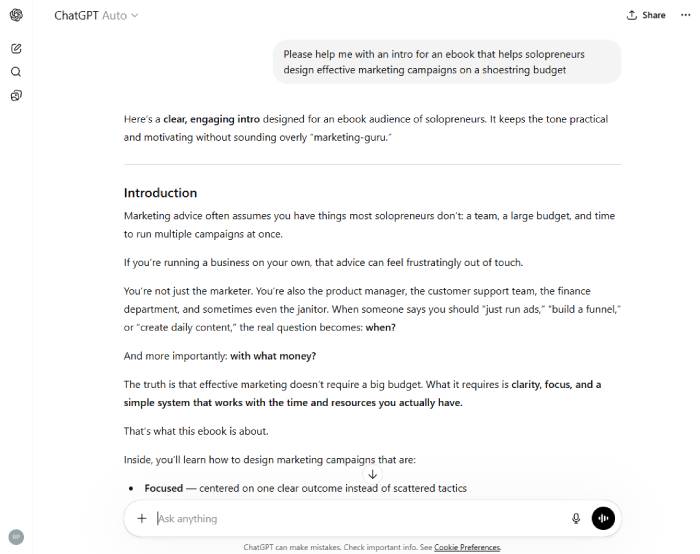
Both assistants can extract, classify, summarize, and reason over uploaded material. Claude’s Projects and Cowork features make it attractive for file-oriented workflows. ChatGPT combines file analysis with its broader Work and Codex environments.
Before using either with business data, check retention, training controls, regional processing, connectors, and organization-admin settings for the exact plan. Do not upload secrets, credentials, regulated records, or confidential client files based only on a consumer-product comparison.
Image creation and visual work
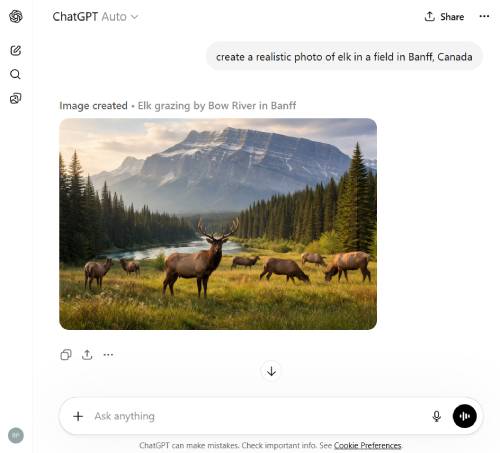
ChatGPT has the clearer advantage if you need native raster image generation or editing. Current ChatGPT image documentation covers generating an image from a prompt and editing a supplied reference.
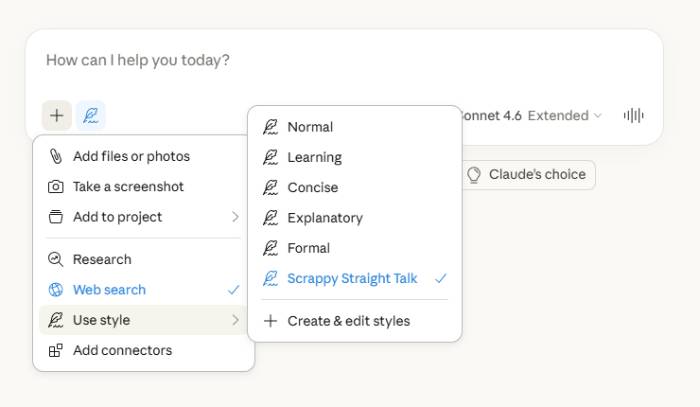
Claude can analyze visual input and can create interactive or code-based visual artifacts, but that is not the same as a general native image generator. Claude Design and other specialized Anthropic products may cover adjacent design workflows; verify plan access and output type before assuming they replace an image tool.
Coding: Codex vs Claude Code
Claude Code and Codex are agentic development tools, not merely autocomplete. They can inspect a repository, edit multiple files, run commands, and help with debugging or review when permissions allow.
| Question | What to evaluate |
|---|---|
| Can it understand the repository? | Ask for an architecture map and verify cited files before requesting edits |
| Can it implement safely? | Use a branch, review commands and diffs, and run the project’s tests |
| Can it follow team conventions? | Provide repository instructions, lint rules, and acceptance criteria |
| Can it sustain a long task? | Test one representative multi-file change, including failure recovery |
| What does it cost? | Compare plan usage, credits, API billing, and rate limits for your task size |
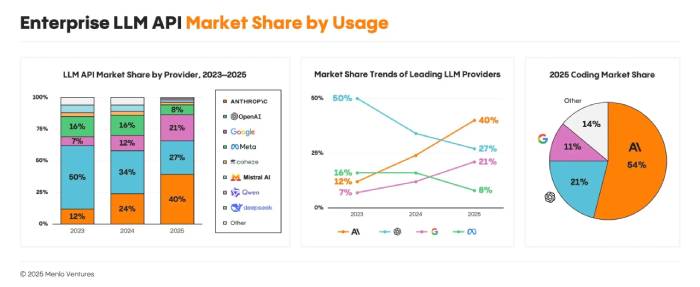
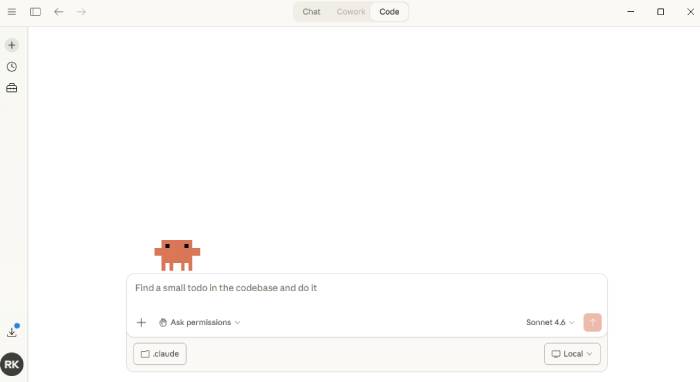
Anthropic describes Claude Code as available in terminal, IDE, desktop, and browser environments. OpenAI’s Codex CLI guide covers exploring a repository, planning changes, editing files, and running local tools. The “winner” changes by codebase and task; a controlled trial is more credible than popularity claims.
Agents and task execution
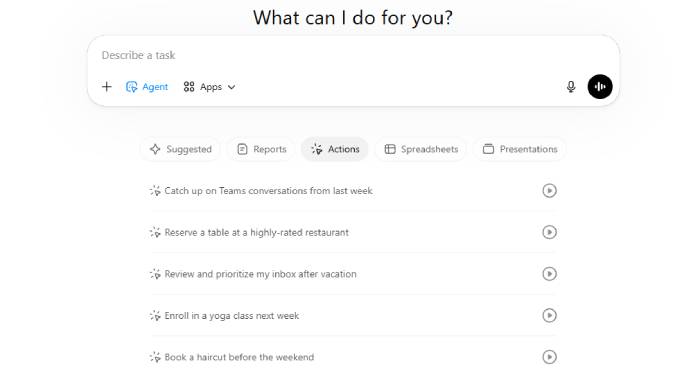
Claude Cowork and ChatGPT’s work or agent experiences move beyond a single response: they can perform multi-step tasks, create artifacts, and use connected tools within their permissions. Coding work is handled more specifically by Claude Code and Codex.
Agent capability increases risk. A mistaken answer is inconvenient; a mistaken write action can alter a file, send information, or change an account. Grant the narrowest permissions, confirm recipients and targets, keep backups, and review destructive or external actions before execution.
Voice and accessibility
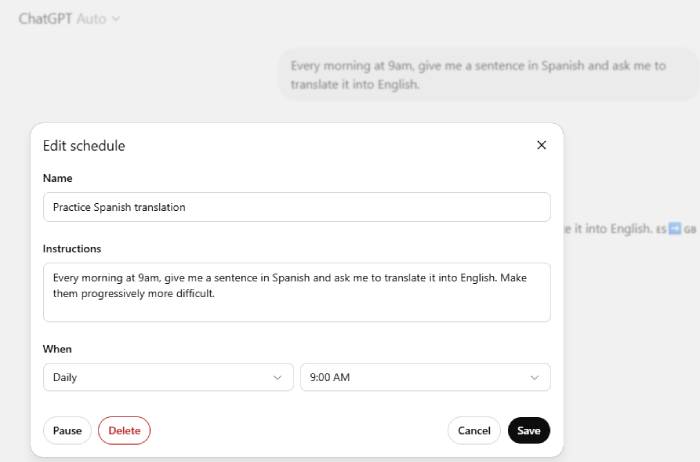
ChatGPT offers a mature voice experience on supported plans and devices, including conversational interaction and, where available, visual or screen context. Claude also supports voice features, but availability and exact controls can differ by platform and rollout.
Test latency, interruption handling, captions, language quality, and privacy in the environment where you will use it. Do not use voice around confidential conversations unless you understand capture and retention settings.
Models and context windows
Both companies release models frequently. Current families include multiple speed, cost, and reasoning tiers; premium or research-preview models may have different limits from the default chat model. The original comparison’s model list should not be treated as permanent.
A published maximum context window also does not guarantee that every consumer plan, feature, file type, or interface accepts that amount. Retrieval quality across a long file is separate from the advertised token limit. Test whether the model can locate details in the beginning, middle, and end of your actual document.
Which should you choose?
Choose ChatGPT if you prioritize
- Native image generation and image editing.
- A broad collection of chat, voice, research, coding, and work tools.
- Codex for repository-based software work.
- Custom workflows through the current skills, plugins, or connected-tool ecosystem.
Choose Claude if you prioritize
- Claude’s current long-document and writing experience.
- Artifacts, Projects, or other Claude-native work surfaces.
- Claude Code for agentic development.
- Cowork or Anthropic’s specialized work products and Microsoft 365 integration.
Try both before buying both
A second subscription is worthwhile only when it solves a different recurring problem or provides enough extra capacity to justify the cost. Run the same five real tasks on free or trial access, score accuracy and editing effort, and then pay for the product that reduces total work—not the one with the longer feature list.
Decision checklist
- Which exact tasks will you run every week?
- Do you need native image generation?
- Do you need a coding agent, a general work agent, or only chat?
- Which file types and maximum sizes matter?
- Are required connectors available on the intended plan?
- What are the real usage limits during a typical workday?
- Can your data be used under that plan’s privacy and governance terms?
- How much human review is needed before the result is usable?
ChatGPT is the more versatile single subscription for most mixed-media users. Claude can be the better fit for teams centered on documents, artifacts, and Anthropic’s work and coding agents. The practical answer is determined by your test set, plan limits, and data requirements—not by a universal chatbot ranking.
Related Articles
 4 Ways AI Claude Chatbot Outperforms Chatgpt6 minutes read
 The Difference Between Claude and ChatGPT13 minutes read
 Meta AI vs ChatGPT (2026): Which Assistant Is Better?17 minutes read
 Why Does Chatting with Claude Feel More Intimate Than ChatGPT?9 minutes read
 Comparing the Prices of Paid AI Chatbot Packages10 minutes read
 Why Claude Is the Super Smart AI Alternative to ChatGPT That's8 minutes read
Reader Comments 0
Sign in with email or Google to join the discussion.