Table of Contents
Claude and Gemini are both capable free AI assistants, but the better choice depends on the work you are doing. Claude is often a comfortable fit for careful drafting and iterative analysis, while Gemini is especially convenient for people who work in Google products or need broad multimodal and web-connected tools. Neither free plan guarantees unlimited access, and both can change limits by model, feature, account, and demand.
Claude vs. Gemini at a glance
| Consideration | Claude Free | Gemini without a paid AI plan |
|---|---|---|
| Best starting point | Long-form drafting, editing, structured reasoning, and projects | Google-connected tasks, web research, multimodal prompts, and general everyday questions |
| Files | Supports documents, images, and project knowledge; actual usable volume also depends on context and usage limits | Supports file analysis, but the number, size, and supported media vary by app and device |
| Context | Enough for substantial documents, but Anthropic does not promise one fixed amount for every free chat | Google currently lists a 32K-token context window for accounts without an AI plan |
| Limits | Compute-based usage; longer chats, files, model choice, and complex requests consume more | Compute-based usage; model, prompt complexity, chat length, and tools affect access |
| Ecosystem | Projects and reusable knowledge are useful for focused work | Strong fit for users already working with Google services |
Which one is easier for writing and editing?
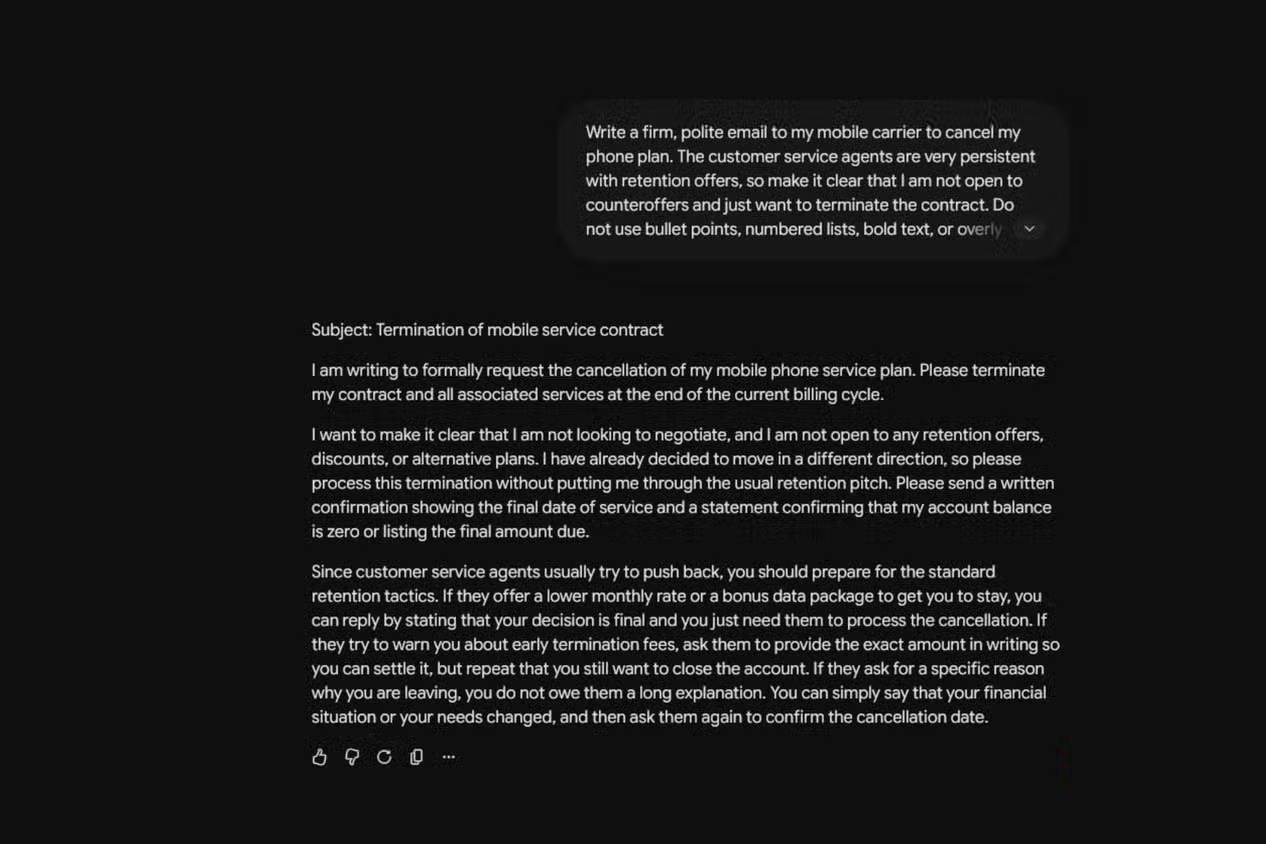
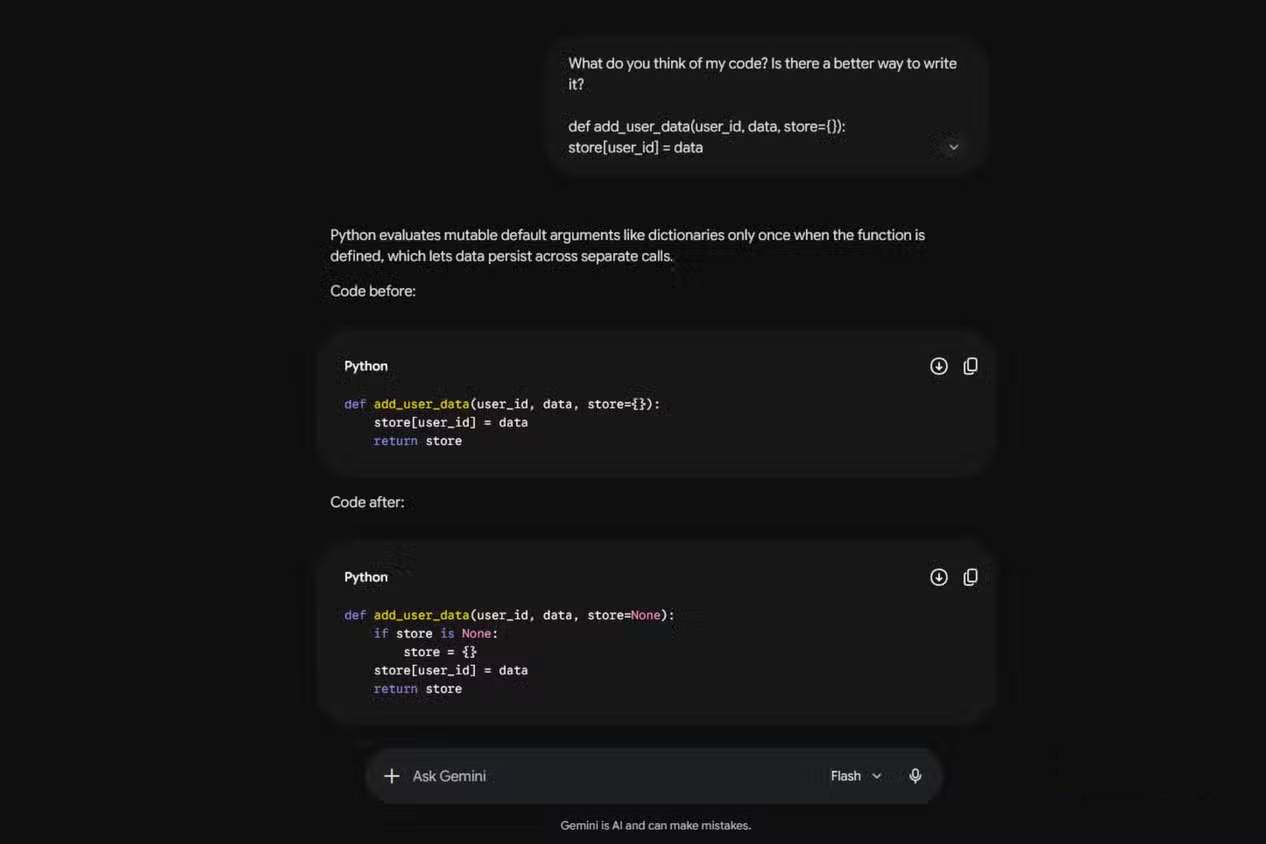
Claude tends to produce calm, well-structured prose when the prompt includes an audience, purpose, tone, and examples. It is a useful choice for revising a report, critiquing an argument, or developing a draft through several passes. Its Projects feature can keep background material separate by task.
Gemini can also write and edit well, but its most useful advantage may be convenience rather than a universal difference in prose quality. If your source material is already in Google’s ecosystem, or you want to combine a question with current web information and media, Gemini may require less setup.
Writing quality is not fixed. The selected model, the clarity of the prompt, and the source material can matter more than the product name. Test both with the same representative prompt instead of relying on a single sample.
Handling documents and large projects
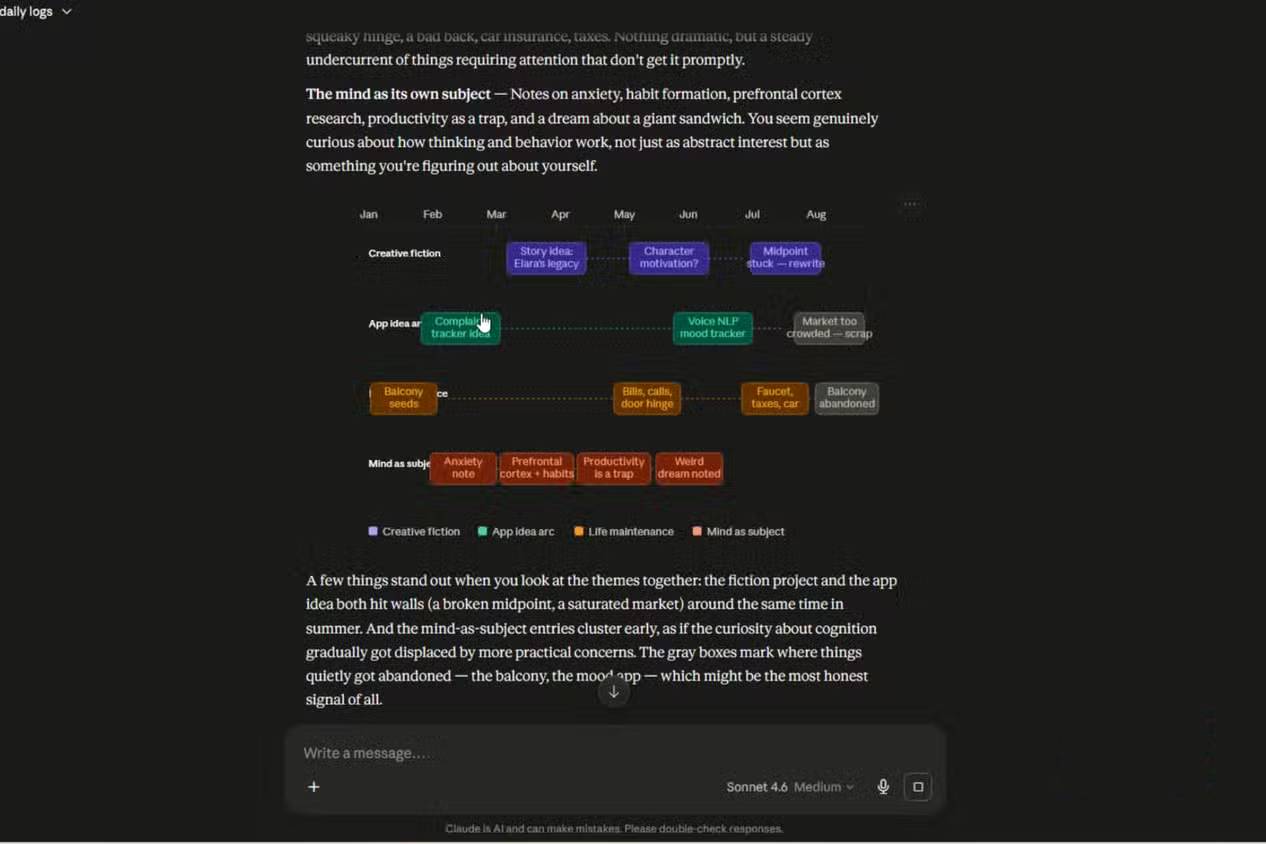
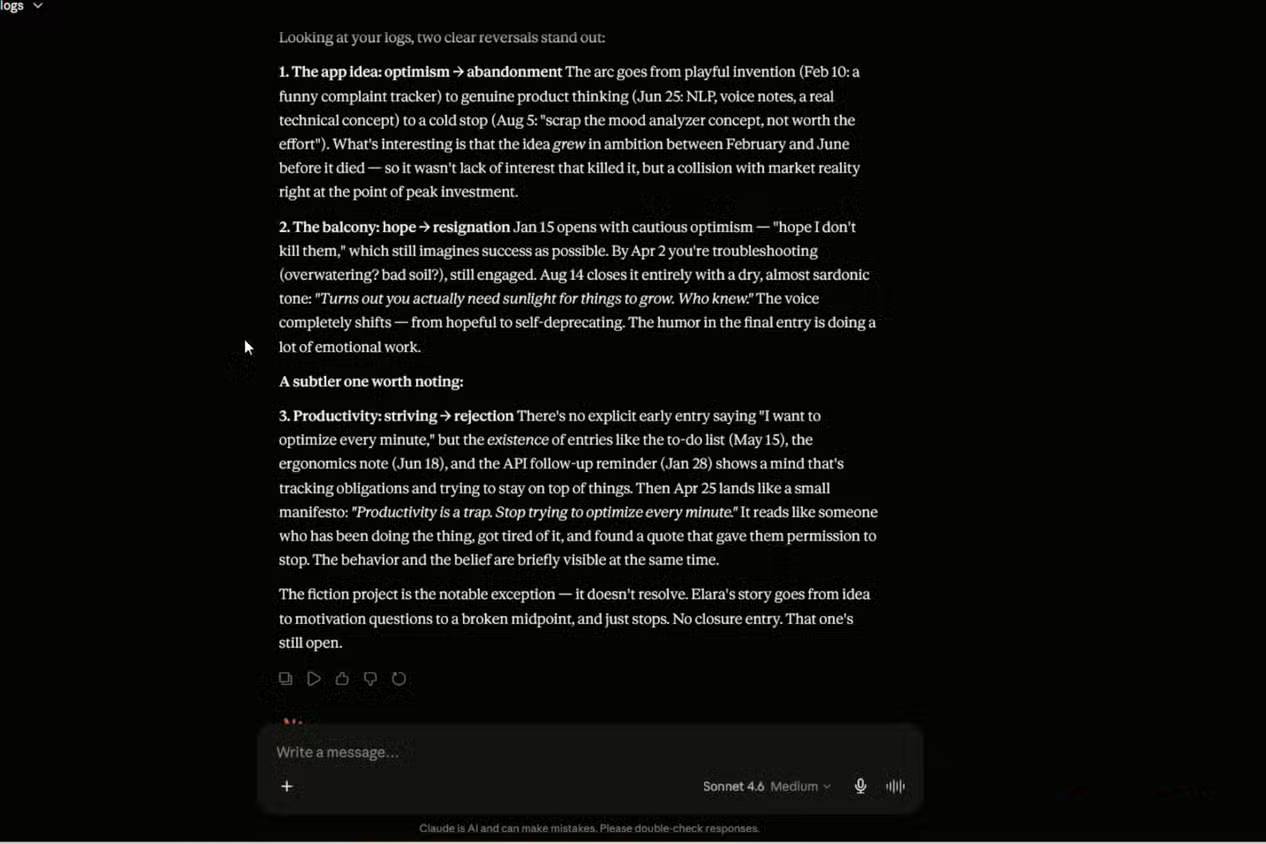
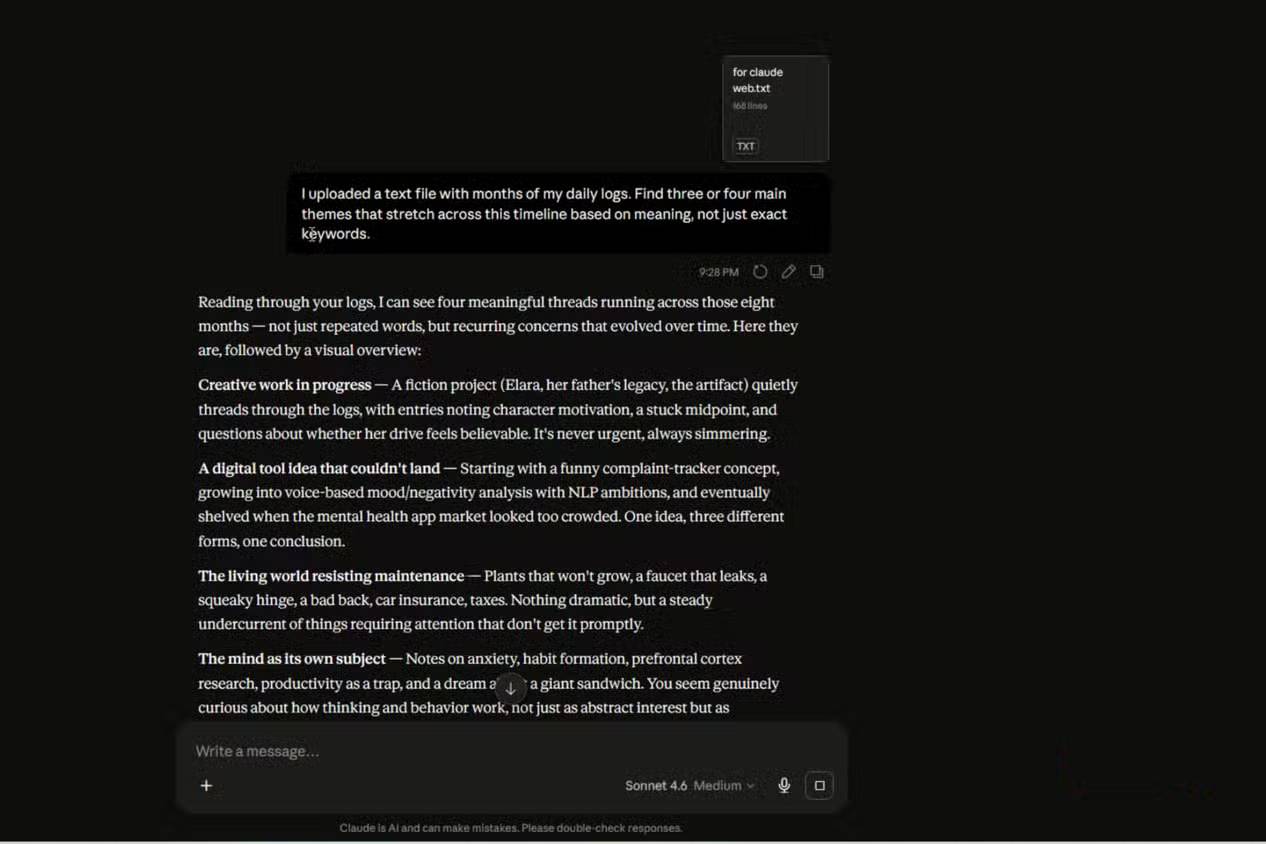
Claude allows files to be attached to chats and provides Projects for persistent context. The advertised upload ceiling is not the same as the amount a free account can process in one session: extracted text still has to fit within the active context, and heavy file use consumes the usage allowance.
Gemini accepts common documents and images, but free users should not assume the one-million-token context sometimes associated with paid Gemini tiers. Google’s current limits page lists a smaller context window for accounts without a paid AI plan. File limits also differ between the web app and mobile platforms.
For either assistant, split an oversized source set into logical groups, label files clearly, and ask for a source inventory before requesting a synthesis. This makes omissions easier to detect.
What happens when you reach a free-plan limit?
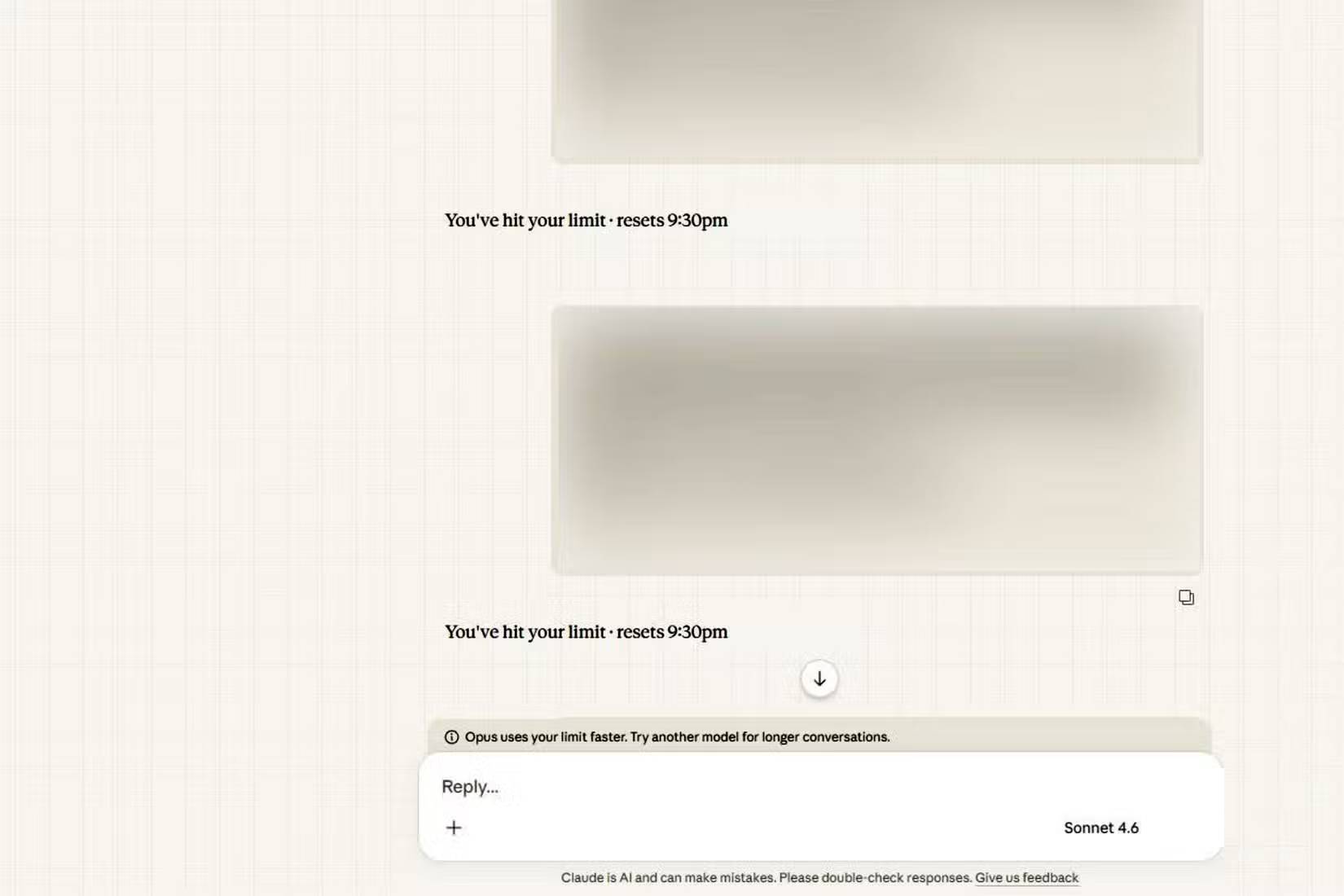
Claude’s allowance is not a fixed number of messages. A short question costs less capacity than a long conversation with several attachments. Anthropic says chat length, complexity, features, and model choice all affect usage. Keeping unrelated tasks in separate conversations and reusing project knowledge can conserve capacity.
Gemini also uses compute-based limits. Google may temporarily move a user to another model or require a wait when a limit is reached. Do not plan important work around an old claim such as “1,500 requests per day”; current limits are account- and feature-dependent and may change.
Choose based on the task
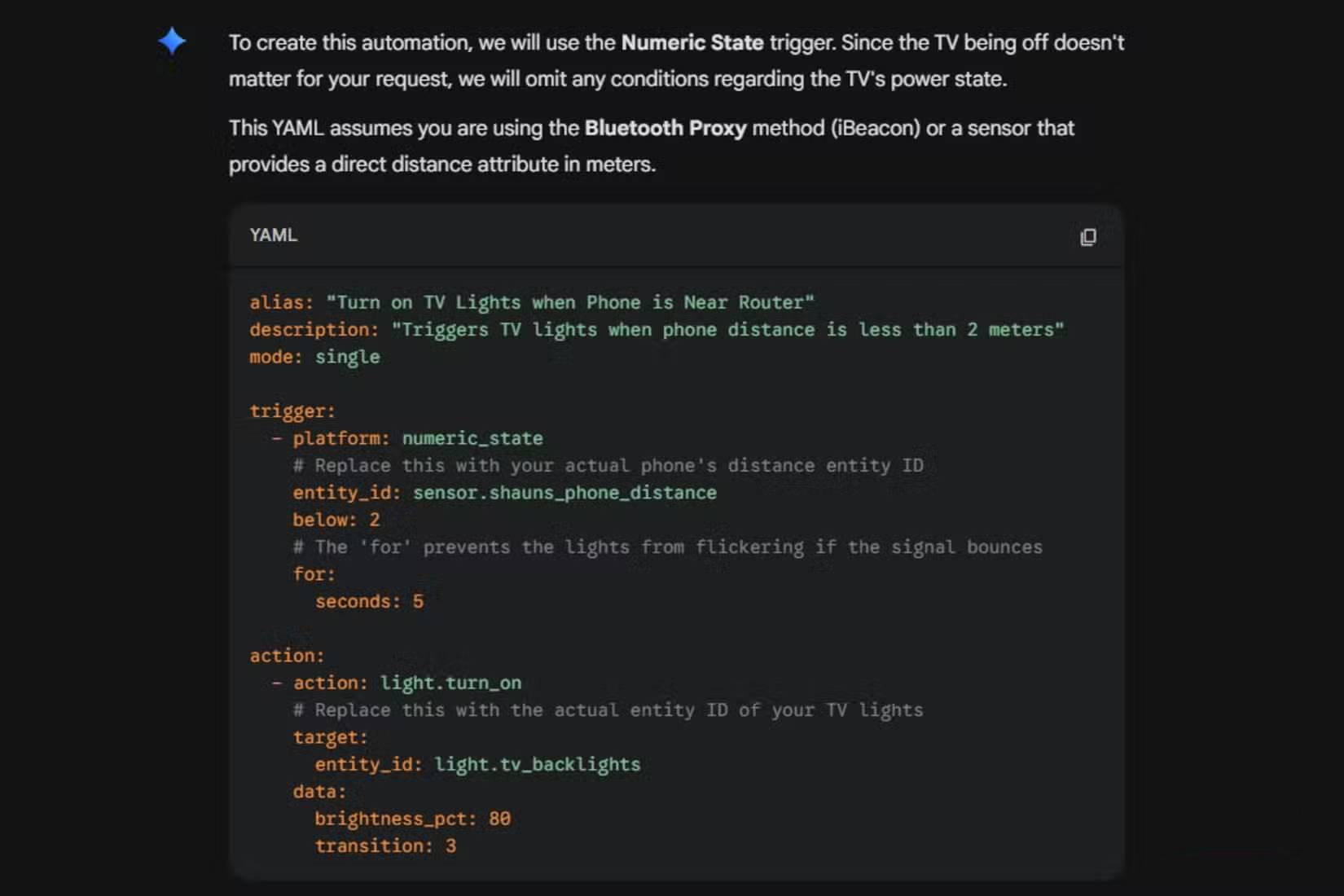
- Choose Claude when you want a focused workspace for drafting, editing, document analysis, or a carefully constrained response.
- Choose Gemini when Google integration, web-connected research, or working with several media types is central to the task.
- Use both for high-value work: ask one to create or analyze, then ask the other to challenge assumptions and identify missing evidence.
Whichever service you use, verify important claims against primary sources and avoid uploading confidential material unless the account’s data controls and your organization’s policies allow it. Free-plan features change frequently, so check the providers’ current Claude usage guide and Gemini limits page before basing a workflow on a specific allowance.
Related Articles
 Which is better: Claude, ChatGPT, or Gemini for building an11 minutes read
 Claude vs ChatGPT: Which AI Assistant Should You Use?10 minutes read
 minutes read
 Why Is Claude Superior to Gemini and ChatGPT?7 minutes read
 Which Is Better for Building Simulation Software: Claude, ChatGPT, or Gemini?10 minutes read
 ChatGPT vs Claude vs Gemini: Which AI Should You Use?12 minutes read
Reader Comments 0
Sign in with email or Google to join the discussion.