
Technology story
AI-Assisted Books in South Korea: Quality and Legal Deposit Dispute
Reports of thousands of AI-assisted titles and a disputed Odyssey translation have prompted questions about editorial checks and legal deposit rules in South Korea.
Browse more Explore the latest Technology story guides, useful explanations and practical tips to understand key topics, solve problems and make informed decisions.
Reports of thousands of AI-assisted titles and a disputed Odyssey translation have prompted questions about editorial checks and legal deposit rules in South Korea.

A public-goods simulation found that AI agents mirroring other players can favor cooperation. The study did not test people or autonomous cars; here is what the result does and does not show.

Claude and ChatGPT have publicly documented U.S. defense deployments. This report separates confirmed access and intended uses from unverified claims about specific military operations.

Electricity costs, water use, air quality and tax incentives drive local opposition to AI data centers. Here is how New York's permit pause and ratepayer protections fit in.

Claude's free memory can retain preferences and project context. Learn how to import memory from another chatbot and why this does not transfer full chat history.

Meta AI can suggest products and show nearby Marketplace listings alongside web results. See what shopping mode offers and how to check prices and sellers.

Research highlights unsafe responses, misplaced trust, and privacy concerns when general-purpose chatbots are used as therapists. Here is how to recognize their limits.

The February sell-off reflected fears about AI's impact on legacy-system consulting. Code analysis and translation still leave substantial migration work to verify.

A UCSF and Wayne State study tested AI-written predictive models on pregnancy datasets. Here is what the comparison showed and why it does not establish a clinical test.

A Nature perspective distinguishes ethical-looking answers from judgments based on relevant considerations, and proposes tougher tests for AI systems.

See the Google Messages interface, photo, group-chat, spam, and RCS security changes appearing in 2026, with rollout caveats and ways to check your phone.

A laboratory study used a protein–cellulose foam to preserve ion channels in compressed sulfur cathodes, improving their volumetric capacity and high-rate performance.
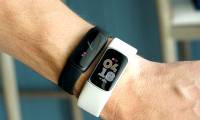
Legacy Fitbit sign-ins ended on May 19, 2026, and deletion of unmigrated data began July 15. Check whether your data moved, try the official recovery flow, or contact support.

The refreshed Google Contacts interface makes individual contact fields easier to select and review before you share a vCard, while also cleaning up the import screen.

A survey of 20,847 US adults found a modest association between daily generative AI use and depressive symptoms, but it could not show that AI caused those symptoms.

Fake LinkedIn support profiles post urgent account-warning comments that lead to credential-stealing pages. Learn the red flags, safe reporting steps, and account recovery actions.

A Washington Post experiment produced unstable cardiovascular grades from years of Apple Watch data. Here is what the test showed, what it did not prove, and how to use connected health data more safely.

Current Windows 11 updates let you choose a .webp file from Personalization settings or File Explorer. Follow either method and use the fallback steps if WebP is missing.

Use Task Manager to identify sustained memory pressure, trim startup apps and browser tabs, fix leaking programs, and avoid RAM cleaners that merely discard useful caches.

Apple's second-generation AirTag keeps the same size, CR2032 battery, IP67 rating, and accessory fit while adding longer Precision Finding range, a louder speaker, and Apple Watch guidance.