Table of Contents
Commercial AI models are being adapted for U.S. defense work, including intelligence analysis and secure workplace tools. That does not mean an ordinary public chatbot is independently choosing targets or controlling weapons. The distinction is between a model, the protected system in which it is deployed, and the human authority responsible for decisions.
AI in defense predates today's chatbots
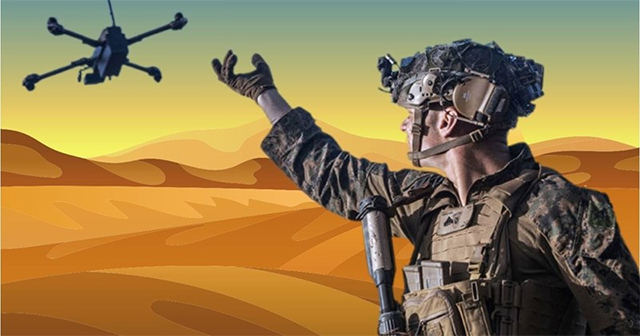
Military programs have used computer vision, sensor processing, and data analysis for years. Project Maven is one example of applying machine learning to imagery and other information. The U.S. Chief Digital and Artificial Intelligence Office coordinates digital and AI initiatives across the department. Generative AI adds language-based summarization, search, and drafting to this longer history; it should not be confused with every autonomous drone or weapon system.
What companies have publicly confirmed
Anthropic said in a February 2026 statement that Claude had been deployed in U.S. national-security settings for tasks including intelligence analysis, modeling, planning, and cyber operations. Anthropic also described Claude Gov models designed for government customers. These company statements establish the existence of deployments, but they do not independently document the role of a model in any particular strike or operation.
OpenAI announced that ChatGPT would be available through the department's GenAI.mil enterprise platform and later described an agreement for classified environments. A workplace assistant for authorized personnel and a separately controlled classified integration are different products and settings. Public documentation does not reveal every task or decision in classified systems.
What needs scrutiny
The important questions are which data a model can access, whether its outputs are verified, how errors are recorded, who approves consequential actions, and what restrictions apply to surveillance and weapons. Both Anthropic and OpenAI have published positions on those uses, but company policies and contracts should be evaluated against how systems are actually governed. A chatbot's own answer about whether it was used in an operation is not evidence of its deployment history.
The related TipsMake overview of AI in modern conflict discusses imagery analysis and information risks. For a separate example of a country investing in defense research, see South Korea's defense AI research center. Specific claims about battlefield use require independently verified evidence and should be distinguished from a company's general announcement of military access.
Related Articles
 The 'Terrifying' Impact of AI in Modern Warfare: Explained8 minutes read
 The 'Terrifying' Influence of AI in Modern Conflict7 minutes read
 AI Is Being Deployed Effectively in Modern Warfare10 minutes read
 Against the 'Invisible Enemy' Covid-19, the US Military3 minutes read
 How Has Iran Built Such a Formidable 'Cyber Warfare Machine'7 minutes read
 The Trend of Chatbot Will Explode in the Future5 minutes read
Reader Comments 0
Sign in with email or Google to join the discussion.