Table of Contents
Backup and Restore Registry in Windows 7 and Vista is easier to understand when the core ideas are paired with practical examples. The sections below explain the topic clearly, highlight useful steps, and point out details that can prevent common errors.
TipsMake.com - Registry is a database used to store information about changes, options, configurations from Windows users. Registry includes all information about hardware, software, users. The registry is always updated when users make changes to the components of the Control Panel, File Associations, and some changes in the Options menu of some applications. Therefore, you should always keep the registry clean and safe.
However, sometimes this facility is often confused and there are some changes that are not implemented as we wish. So that's why we should make a backup of this database before making any changes or installing a complex application. The following is a guide on how to back up and restore the registry in Windows 7 and Vista.
How to back up the Registry in Windows 7 and Vista?
1. Click Windows Start Menu Orb and type regedit in the search field. When the program path is displayed, press Enter.
Note: Example images were taken from Windows 7. However, it is similar to Vista.

2. In the Registry Editor click File> Export .

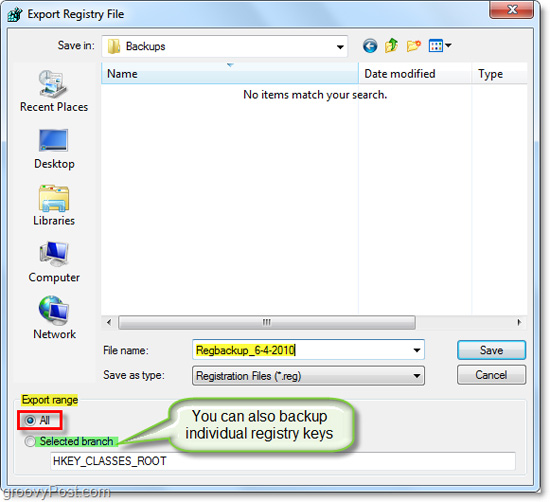
3. In the export window, type the file name you want to back up. At the bottom of the export window, you will have two options under the Export Range section.
• All : Back up the entire registry
• Selected Branch : the program only backs up important registry you choose.
When done, click Save
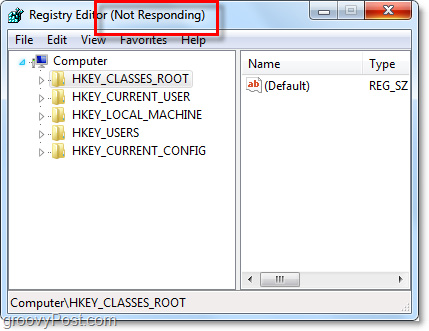
4. After clicking Save, the program will take a few minutes to back up the registry. You may get a Not Responding error in the backup notebook. However, this is not worrisome and just waiting for a while the program can backup as usual.
How to restore a Registry backup
Method 1: The fastest and easiest way to restore a Registry backup is to merge files. Just right-click the registry file and select Merge . You can also double-click the registry file to merge the file.

There will be a confirmation window, click Yes .
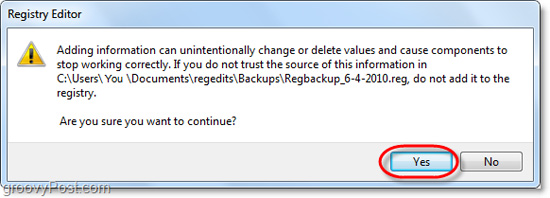
Accomplished! It only takes a few minutes for you to merge the backup registry file into the old registry file.
Method 2: The second way to restore backup registry file information is to use the Import tool. Just open regedit from the Start menu and click File> Import .
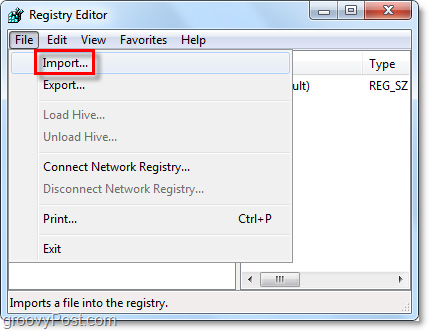
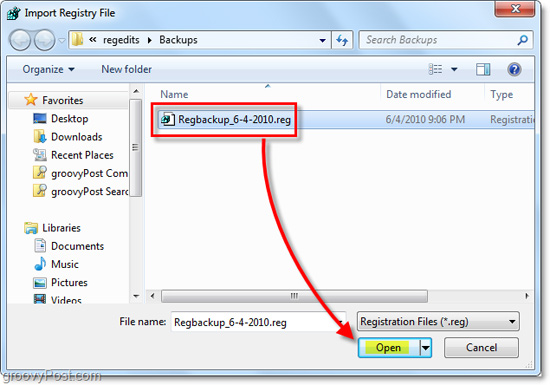
The import dialog box will be displayed. Here you can select the registry file you want to restore and click Open .
Success! Now you know how to backup and restore registry on Windows 7 and Vista operating systems. Hopefully You will be useful for you. I wish you all success!
FAQ
What is Backup and Restore Registry in Windows 7 and Vista?
TipsMake.com - Registry is a database used to store information about changes, options, configurations from Windows users.
Why is Backup and Restore Registry in Windows 7 and Vista important?
A clear understanding of Backup and Restore Registry in Windows 7 and Vista helps you make informed decisions, avoid common mistakes, and use the relevant tools or techniques more effectively.
How should beginners approach Backup and Restore Registry in Windows 7 and Vista?
Start with the fundamental concepts, follow the examples step by step, and test each change in a safe environment before applying it to important systems or data.
Related Articles
 Windows Operating System: Backup and Restore Registry on Windows5 minutes read
 Windows XP: Backup and Restore Registry in Windows6 minutes read
 Instructions to Backup and Restore Registry on Windows 10 by Restore Point3 minutes read
 How to Make and Restore a Backup of the Windows Registry2 minutes read
 How to Use Backup and Restore on Windows 7?6 minutes read
 10 Tips to Change the Registry in Windows Xp and Vista9 minutes read
Reader Comments 0
Sign in with email or Google to join the discussion.