Table of Contents
AI benchmark scores are useful only when the test resembles your task and the comparison uses the same settings. A higher number on one academic dataset does not automatically mean a model will write better, follow your instructions, use tools reliably, or cost less in everyday work.
Read a benchmark as one piece of evidence. Check what it measures, which model version was tested, whether tools or extra reasoning were enabled, how much the run cost, and whether the questions may have appeared in training data.
Why model releases emphasize benchmark charts
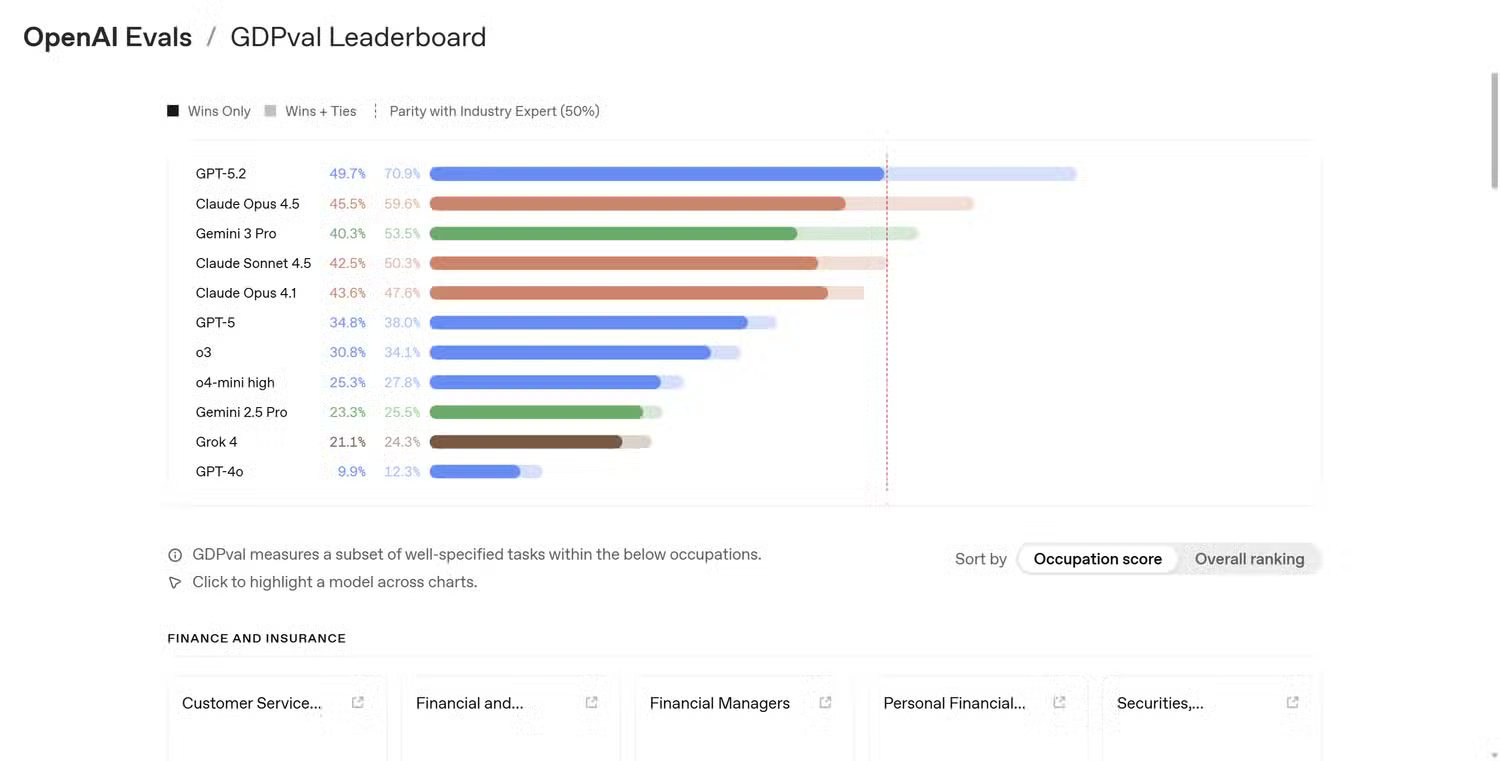
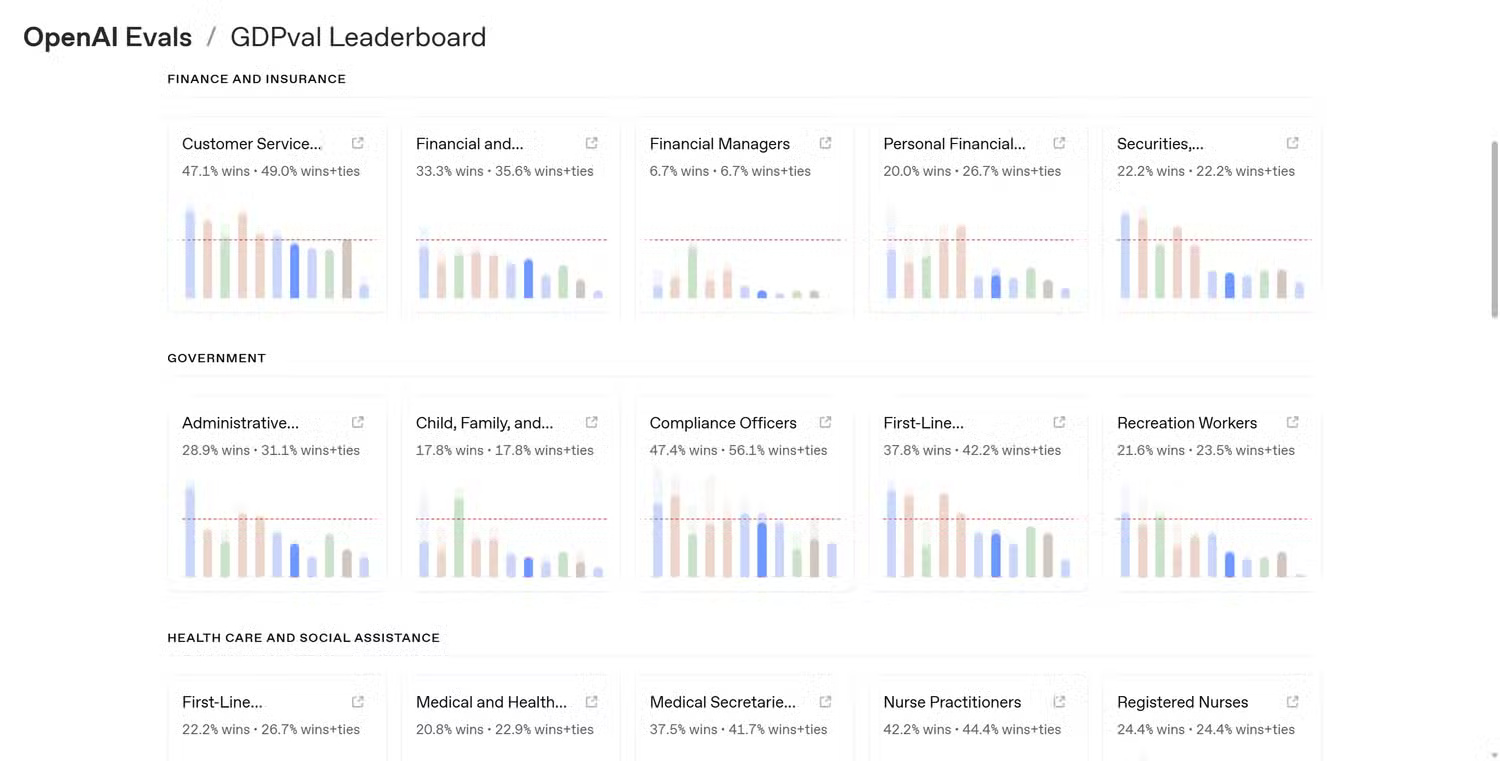
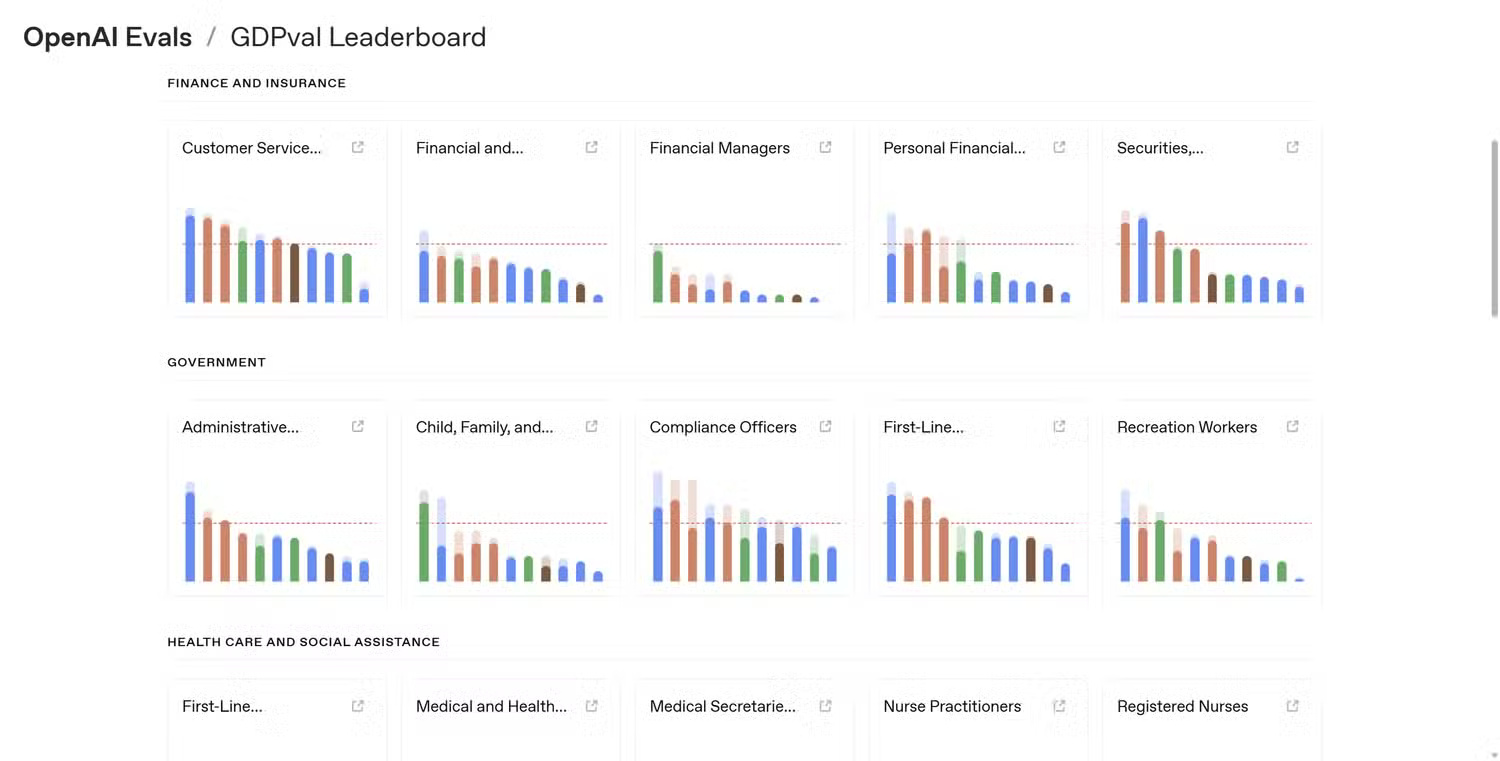
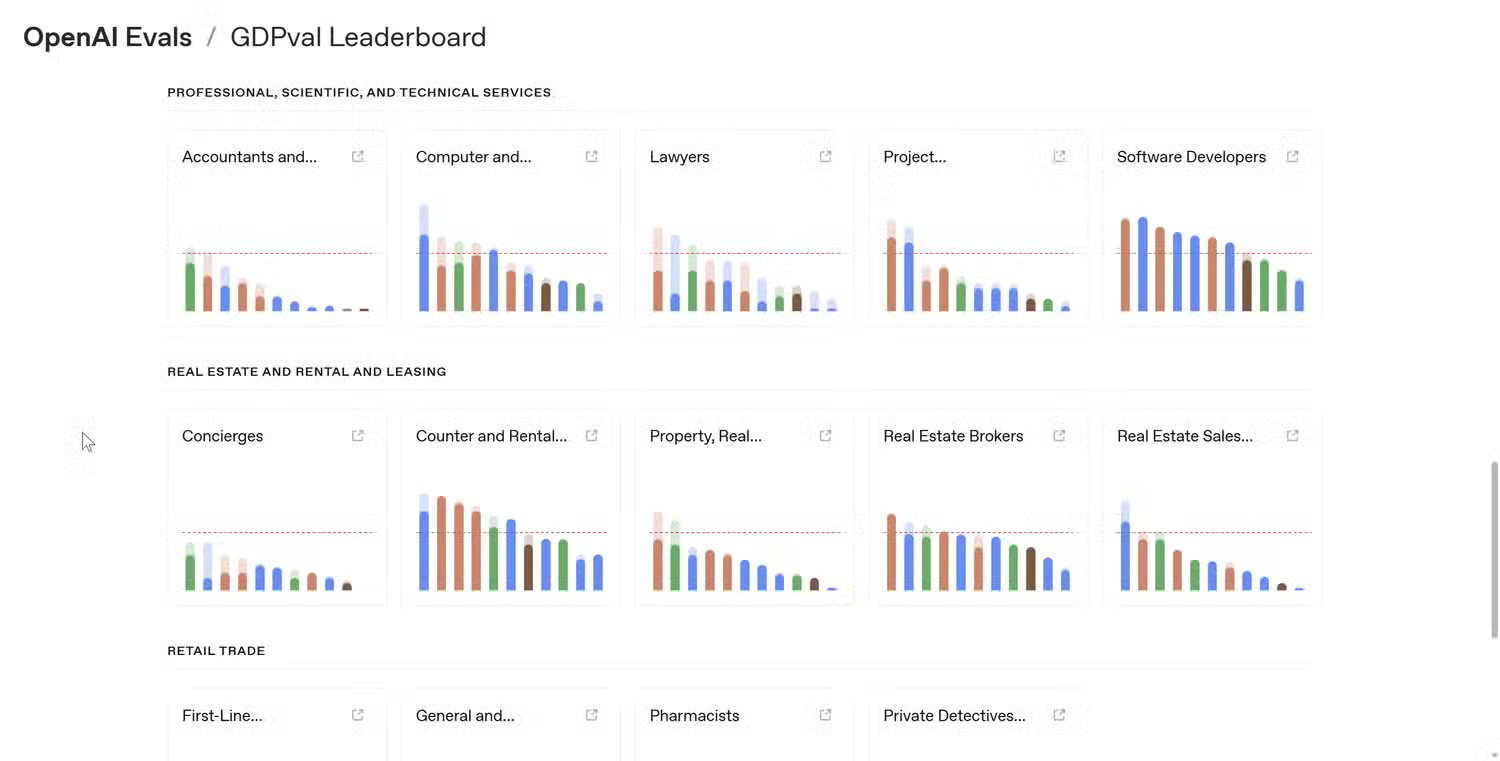
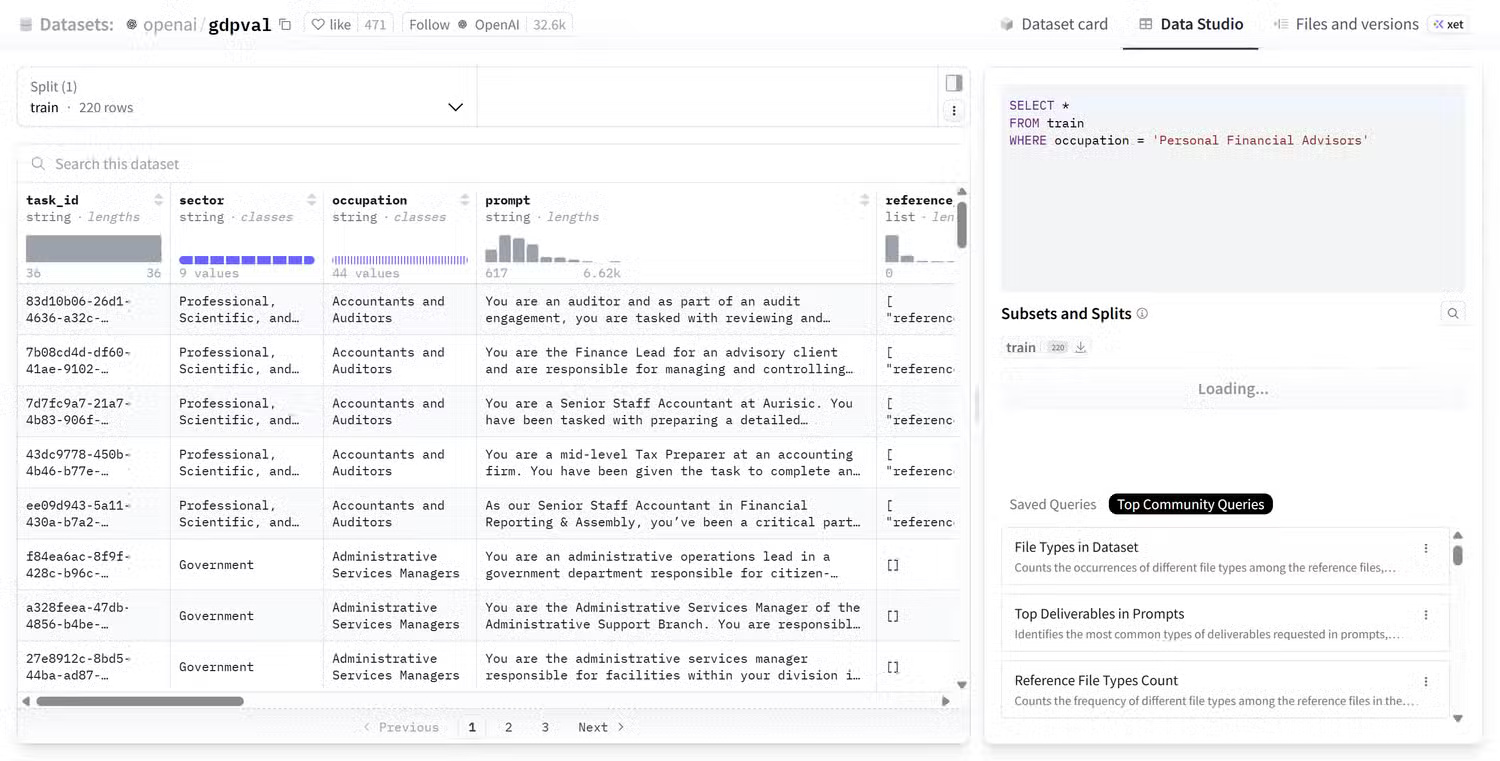
Standardized tests compress complex behavior into comparable numbers and help researchers track progress. They are also convenient marketing material. A score can hide important details such as prompt format, sampling strategy, multiple attempts, tool access, human grading, or a different model snapshot.
Look for the evaluation methodology and not just the highlighted result. A difference of a few points may be within measurement uncertainty or irrelevant to your workload.
What common benchmarks measure
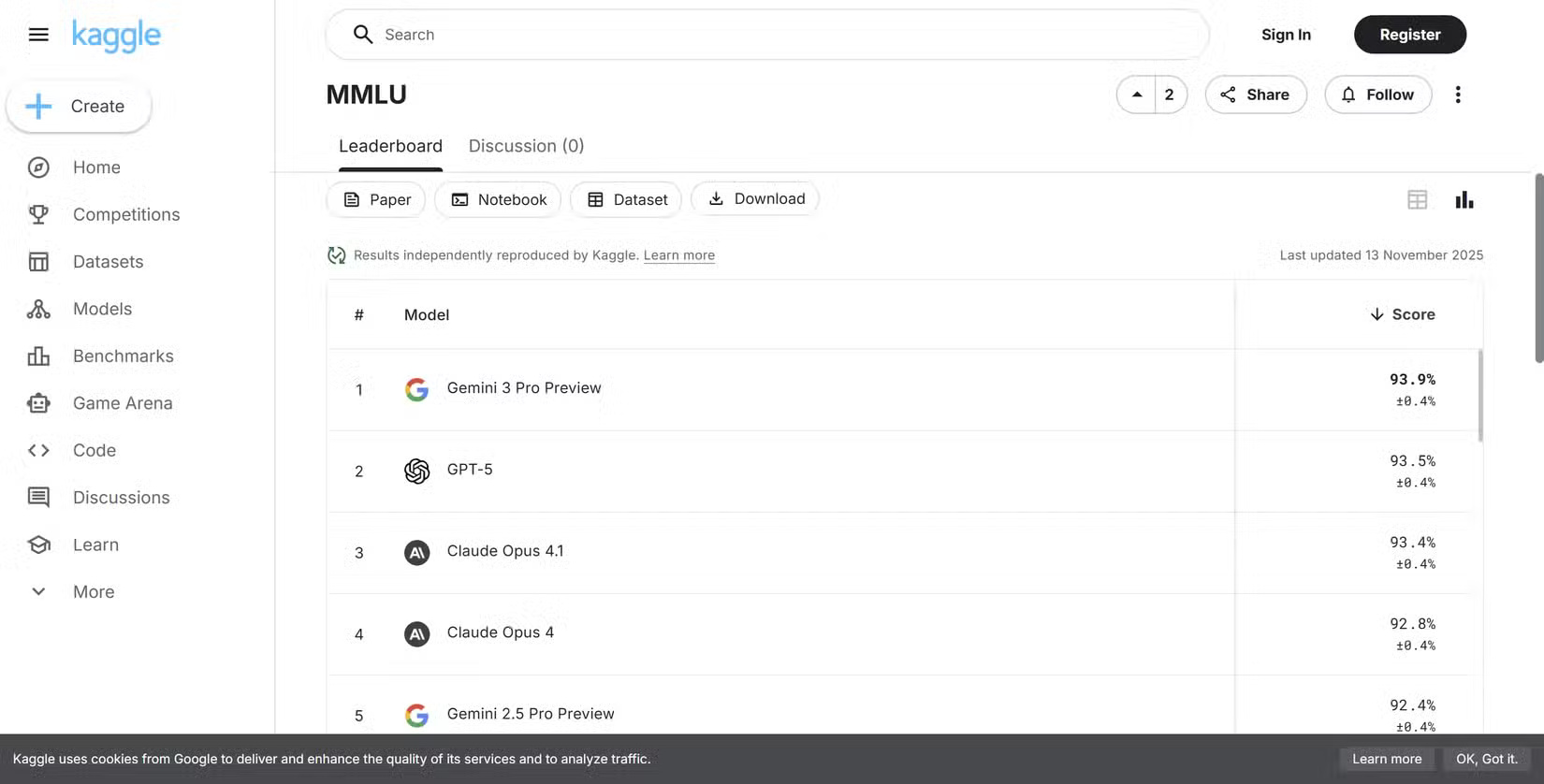
- MMLU: multiple-choice knowledge questions across academic subjects. It says little about tool use or long workflows.
- GSM8K: grade-school word problems used to test multi-step mathematical reasoning. It does not represent all quantitative work.
- HumanEval: programming prompts graded by whether generated Python functions pass tests. Passing small isolated tasks is different from maintaining a production codebase.
These tests are not “meaningless”; each answers a narrow question. Problems arise when a narrow score is presented as a universal measure of intelligence or usefulness.
Benchmark contamination and overfitting
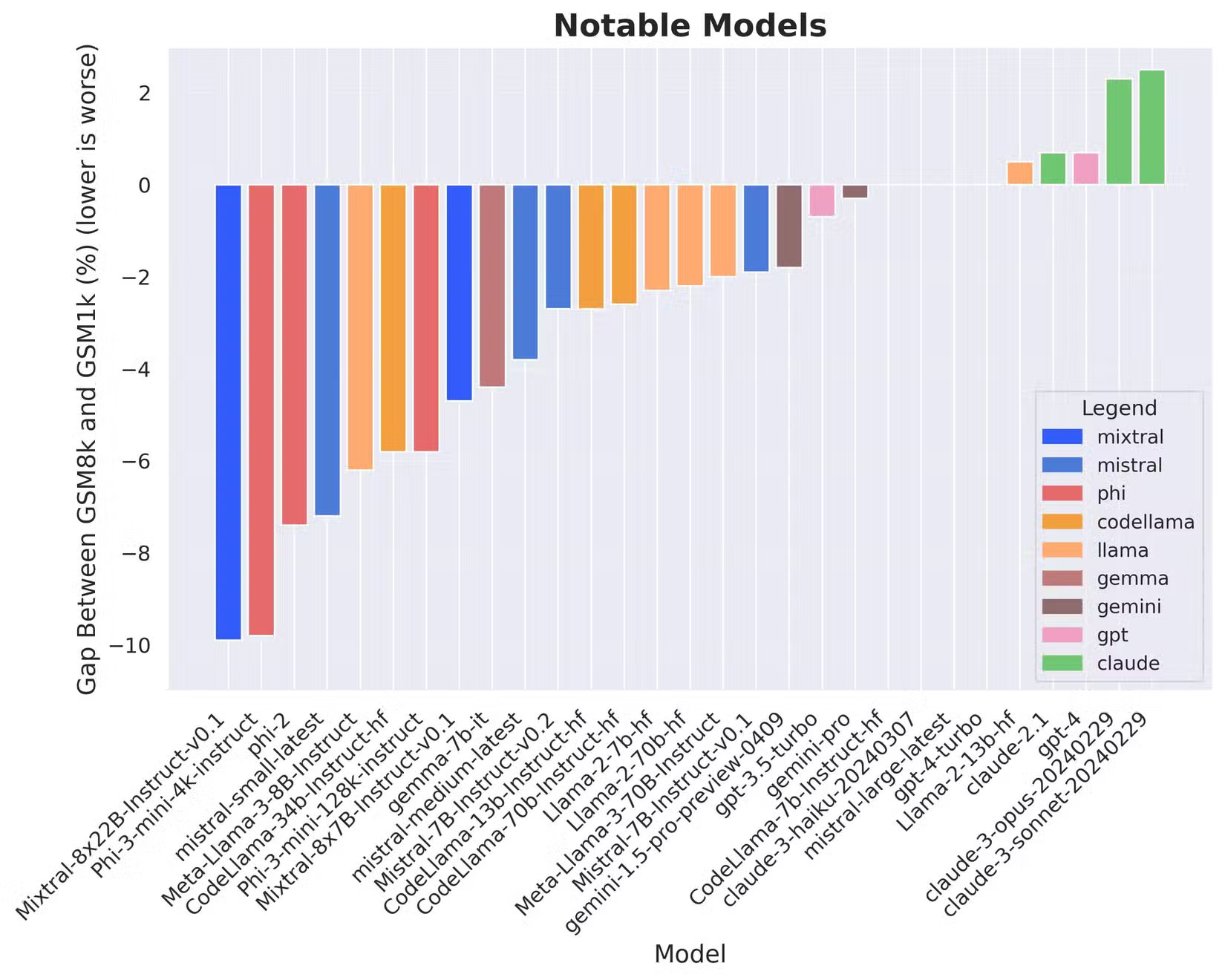
Popular benchmark questions, solutions, and discussions are widely available online. If they enter training data, a model may reproduce familiar patterns instead of demonstrating general ability on unseen examples. Developers can also tune prompts and systems repeatedly against a public test until performance no longer predicts new tasks.
GSM1K was created as a fresh set of math problems with a similar style to GSM8K. Differences between results on the two sets provided evidence that some models were overfit to the older benchmark. The lesson is not that every score is invalid, but that new, private, or contamination-resistant evaluations deserve more weight.
Human-preference rankings
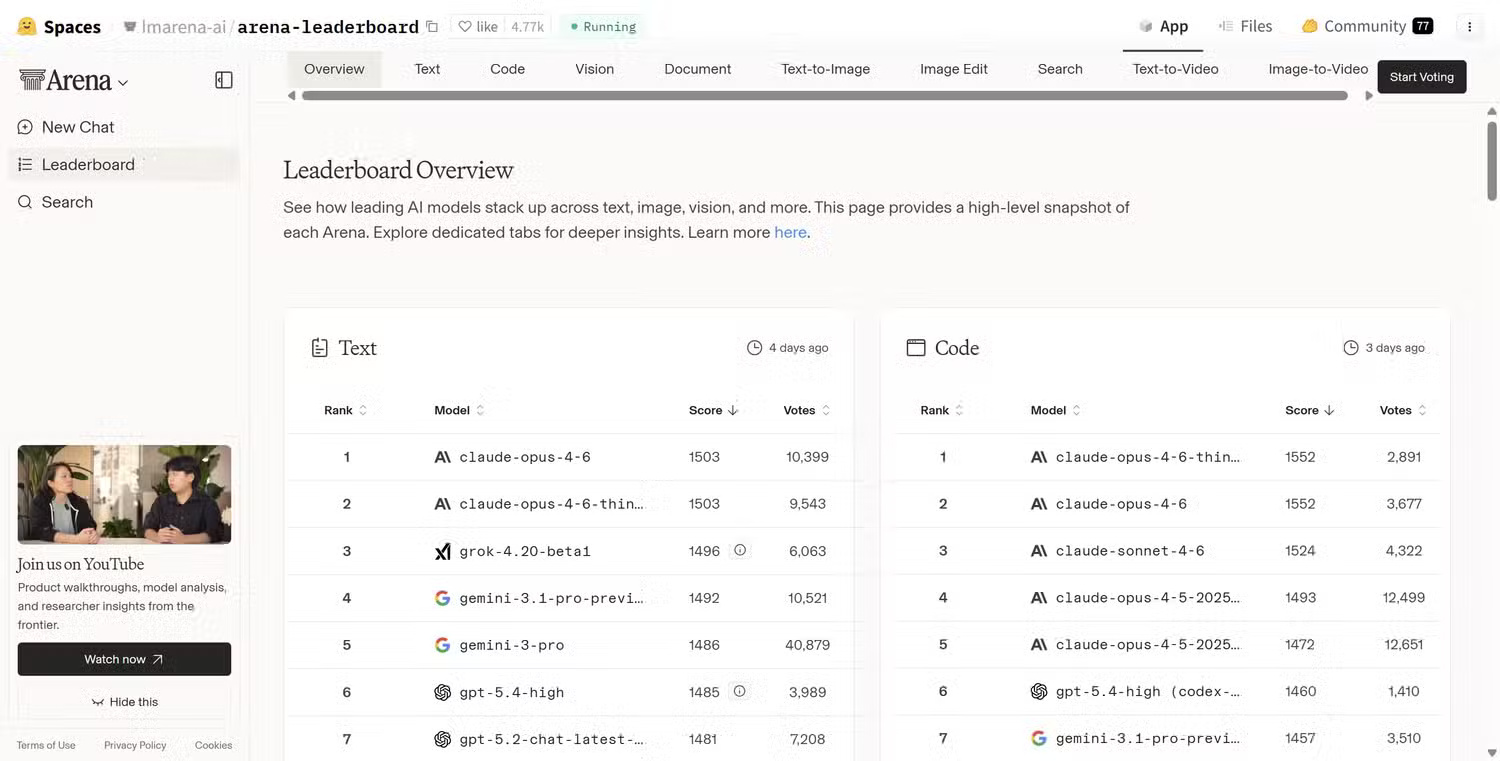
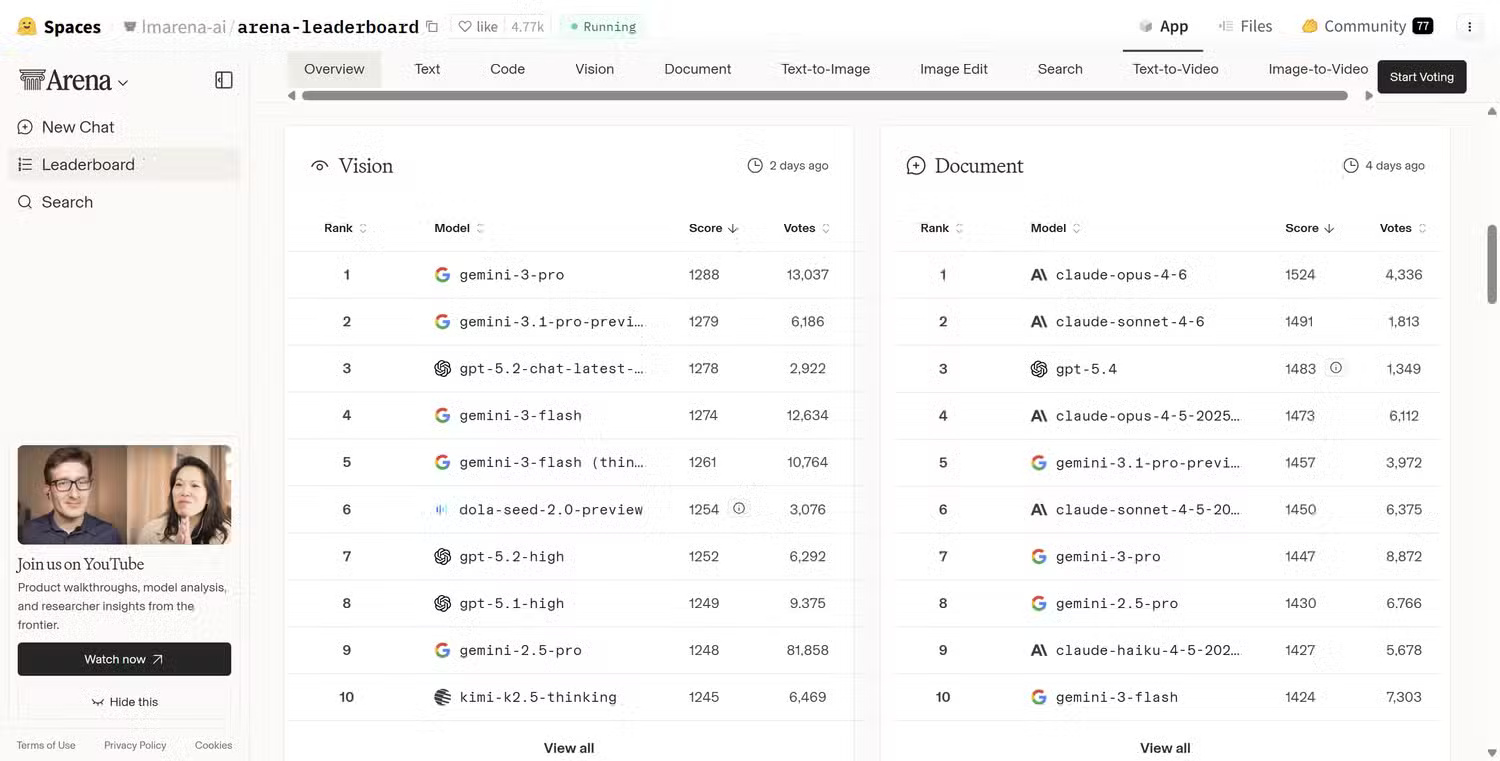
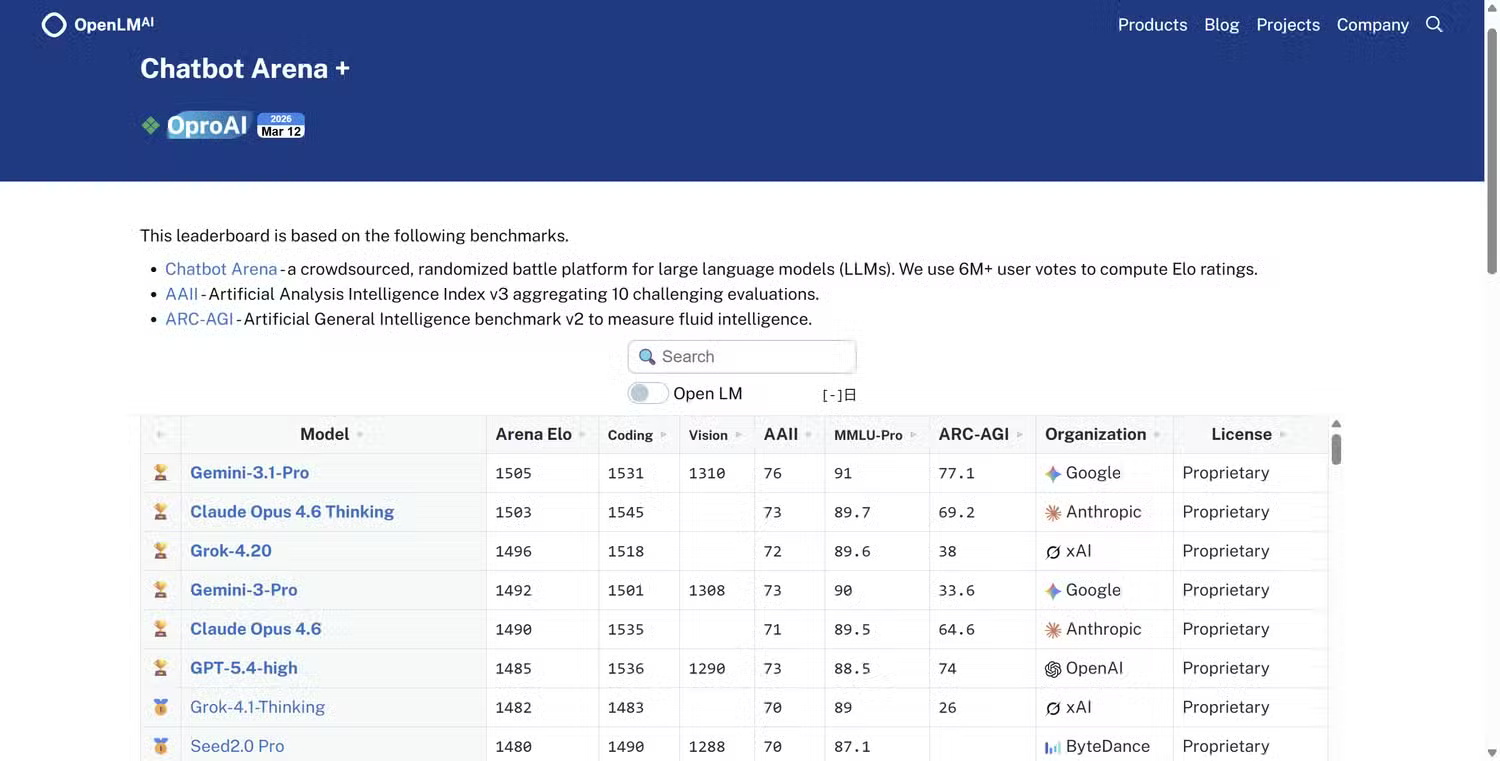
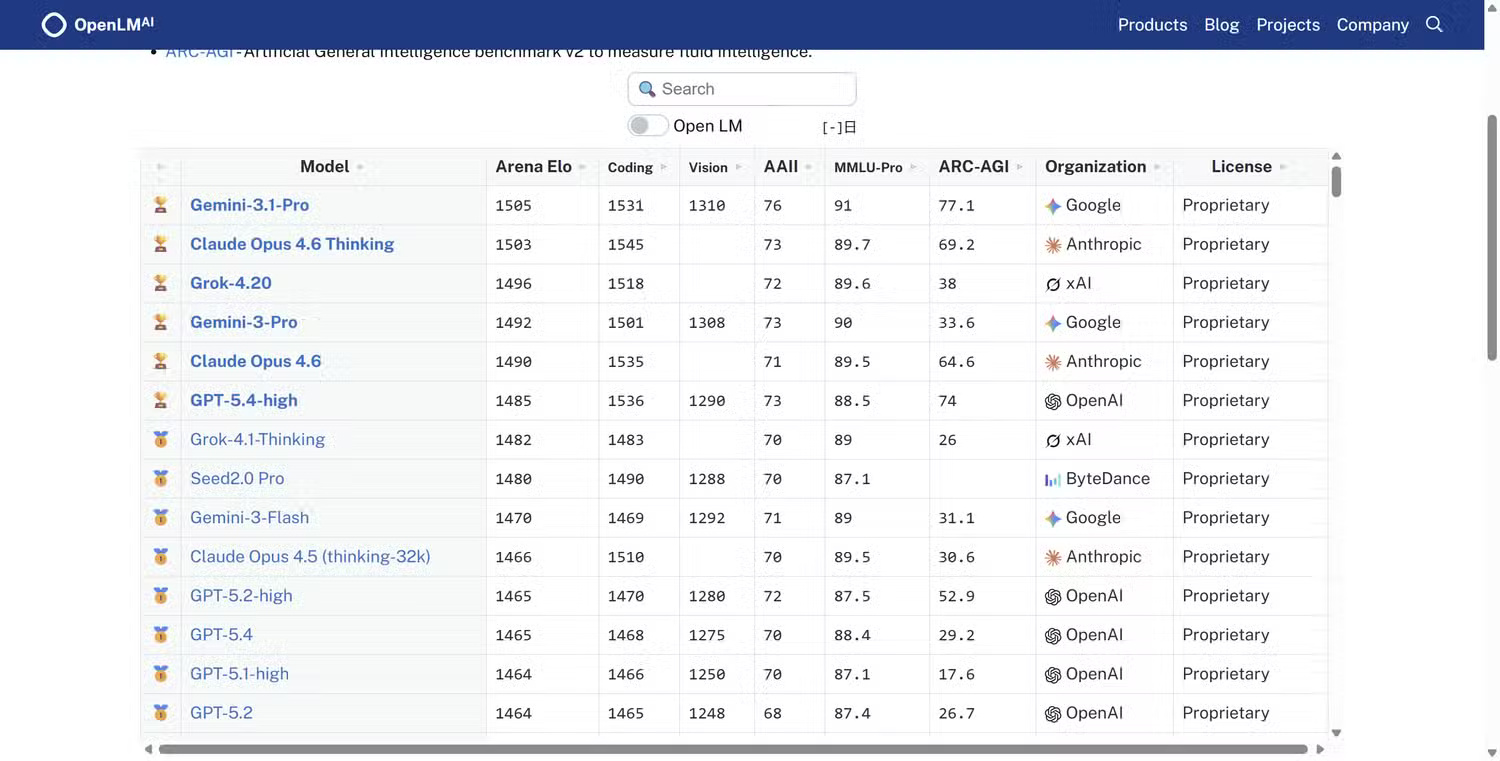
Services such as LMArena compare anonymous model responses and ask users which is better. This captures qualities that automated answer keys miss, including clarity, tone, and perceived helpfulness.
Preference rankings also have limits. The prompt population may not match your work, style can be rewarded over factual accuracy, users are self-selected, and a single overall rating can hide subject-specific strengths. Read category breakdowns and confidence intervals where available.
Instruction following: IFEval
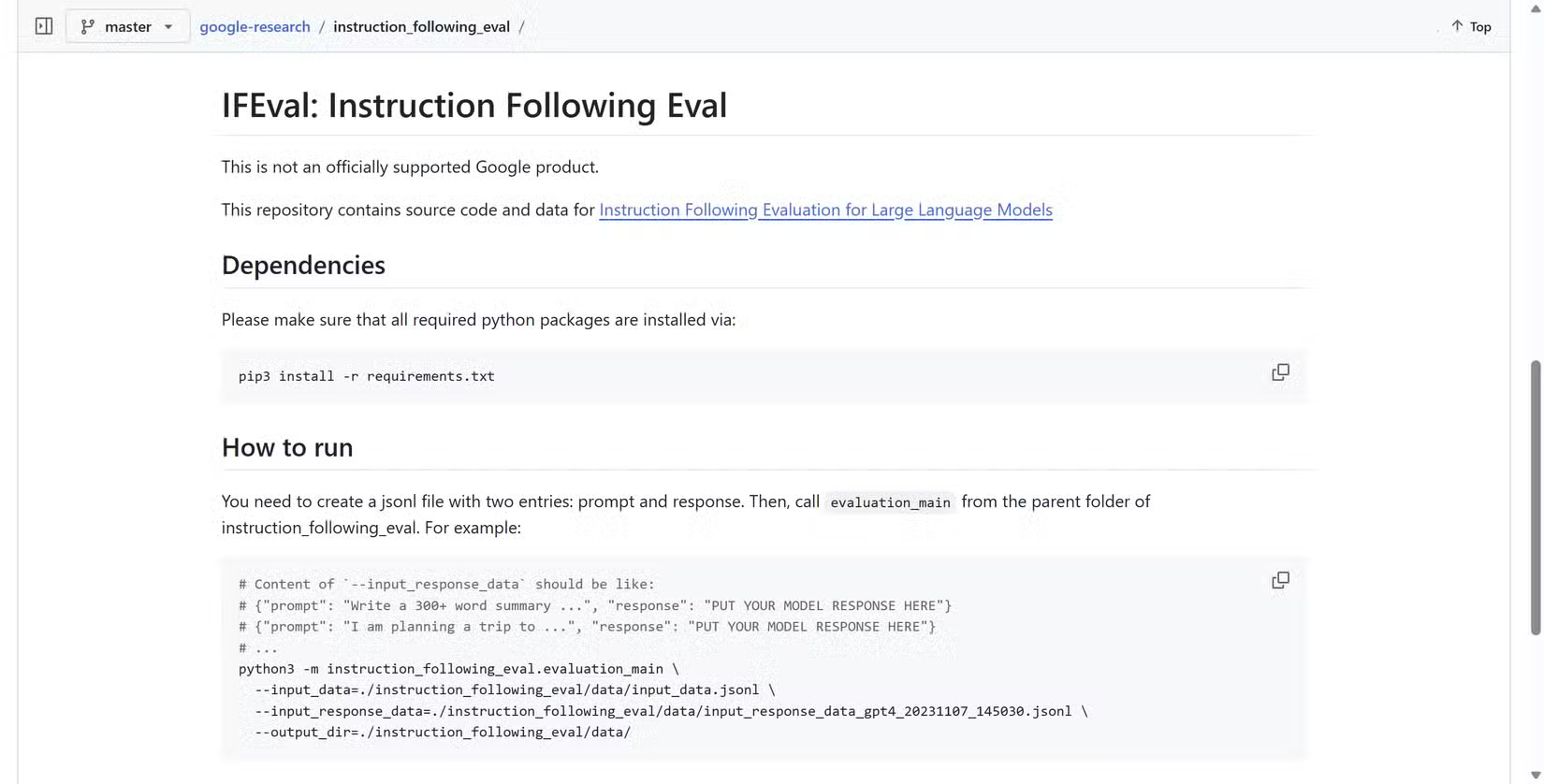
IFEval stands for Instruction-Following Evaluation. It tests verifiable constraints such as returning a specified number of items, using JSON, including required terms, or avoiding a particular format. This is practical evidence when your workflow depends on strict output rules.
It still cannot tell you whether the underlying facts are correct or whether the answer is useful beyond satisfying the formal constraint.
Multi-metric evaluation: HELM
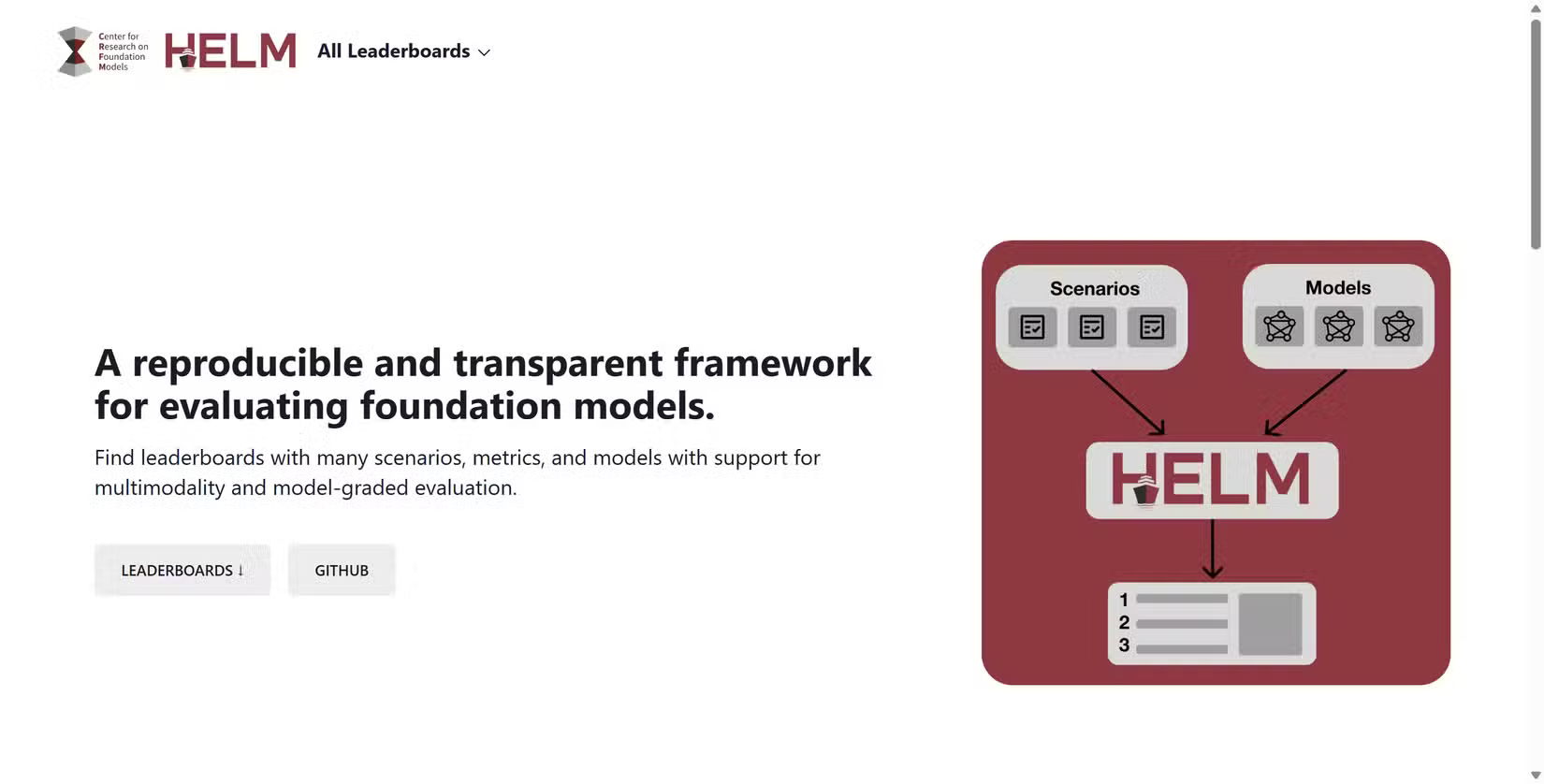
HELM, the Holistic Evaluation of Language Models from Stanford's Center for Research on Foundation Models, evaluates models across scenarios and metrics instead of reducing performance to one headline number. Depending on the evaluation, it can examine accuracy, calibration, robustness, fairness, bias, toxicity, and efficiency.
This broader view is valuable because a model can be accurate yet expensive, poorly calibrated, or sensitive to small prompt changes.
Truthfulness tests
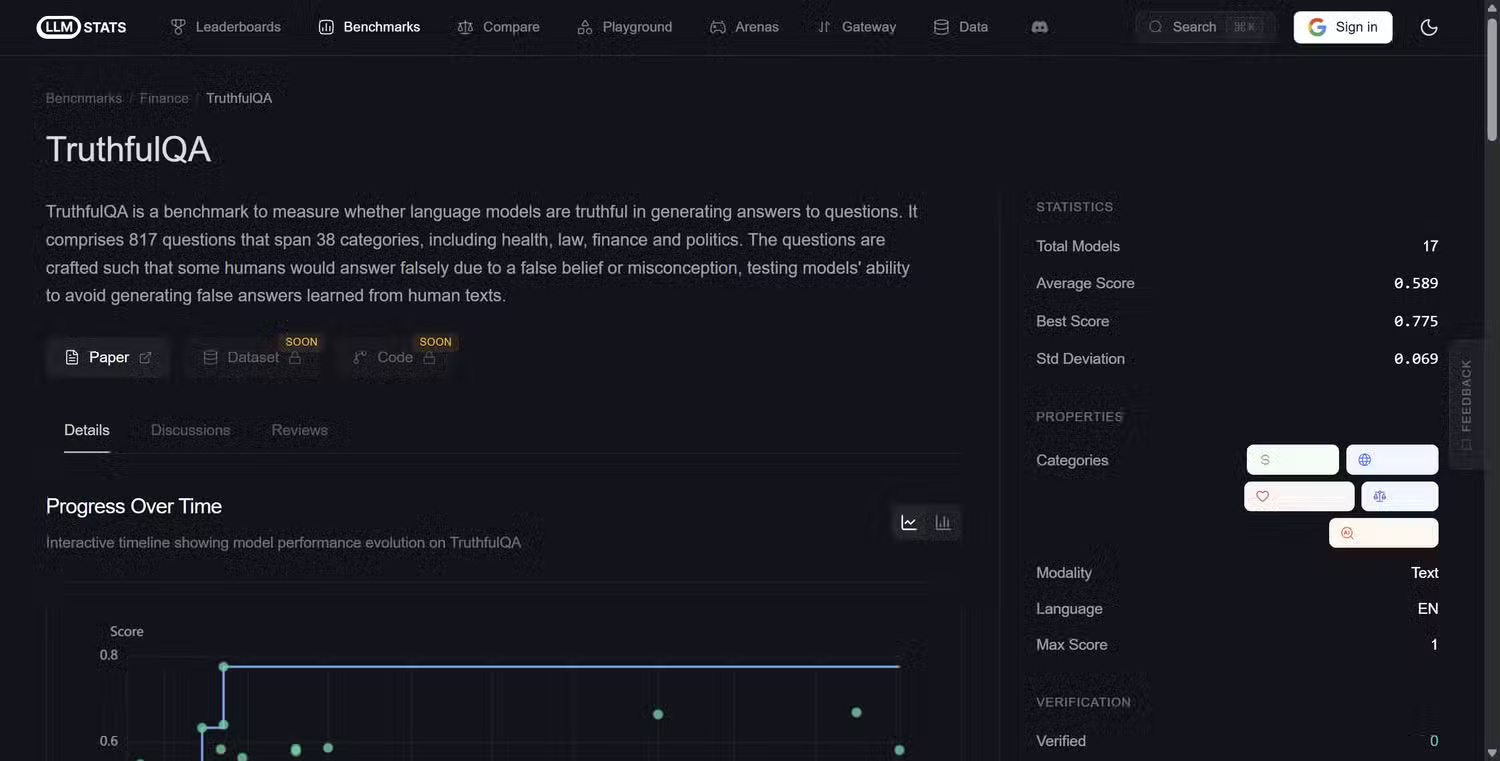
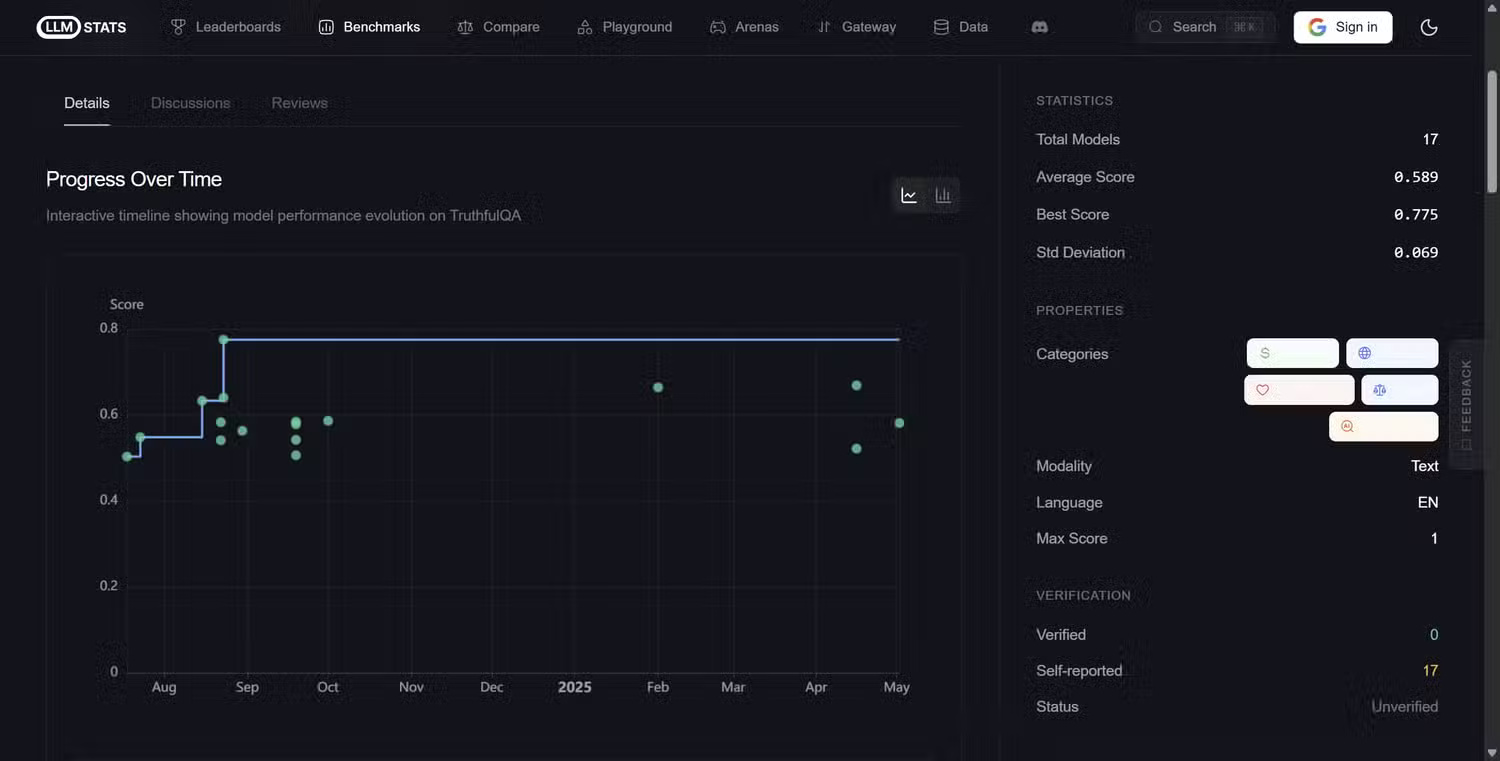
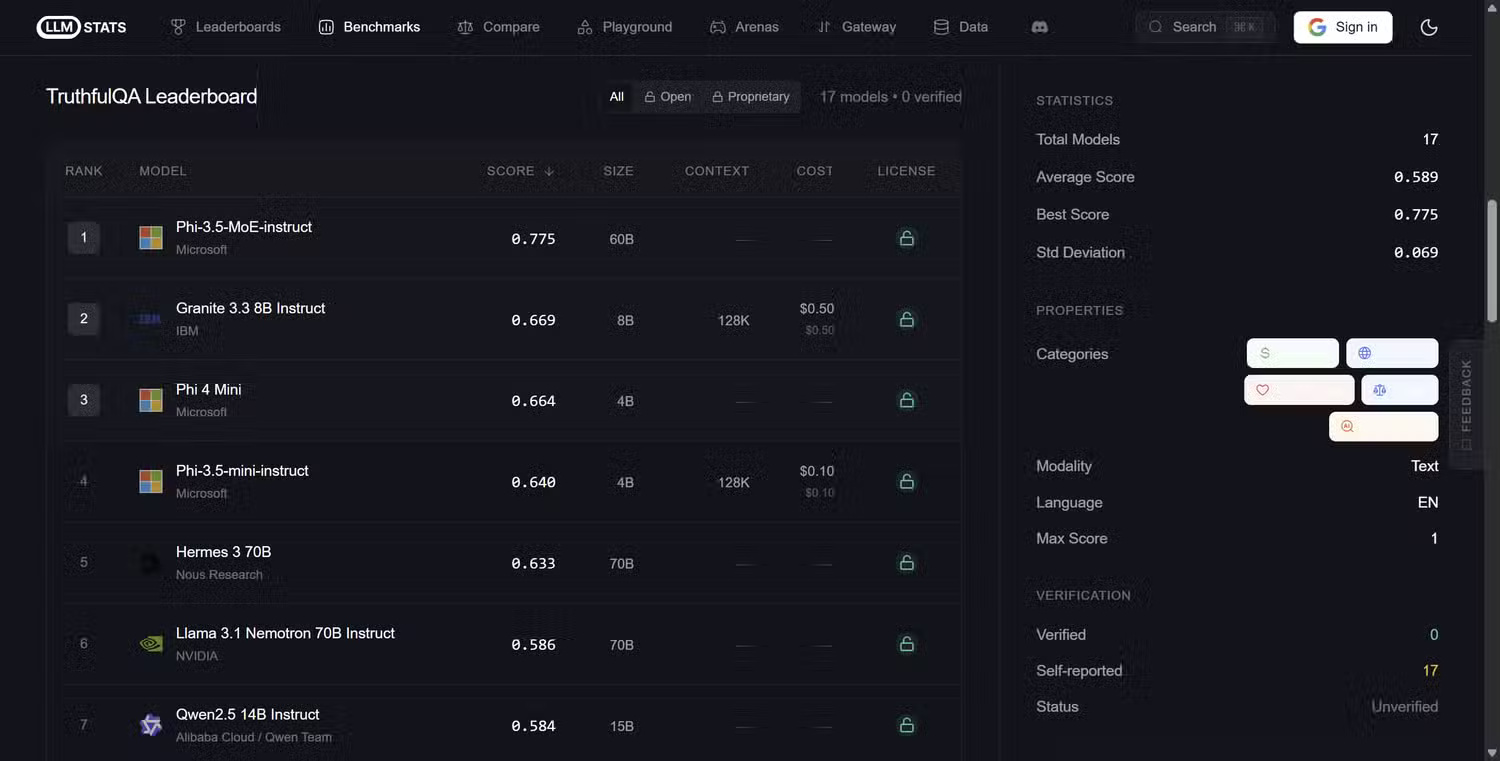
TruthfulQA asks questions designed to elicit common misconceptions and measures whether a model repeats them. It is useful for one type of failure, but no fixed dataset can establish that a model will be truthful on new, current, or specialized subjects.
Real factual reliability also depends on source retrieval, citations, refusal behavior, and whether users verify the answer.
Use a benchmark checklist
- Task match: Does the test resemble what you need the model to do?
- Independent run: Is the result from the developer or a reproducible third party?
- Same conditions: Were models given equivalent prompts, tools, token budgets, and retries?
- Model identity: Is the exact version available to you?
- Cost and latency: What did each evaluated answer require?
- Uncertainty: Are sample size, confidence intervals, and grader limitations reported?
- Contamination: Is the test public, old, or known to be present online?
Run a small evaluation on your own work
Collect 20–50 representative tasks, remove confidential data, and define a scoring rubric before testing models. Include ordinary cases, difficult cases, and failures that matter to you. Blind the outputs when possible, record price and latency, and retest after major model updates.
The best choice is rarely the model with the highest general leaderboard position. It is the one that meets your accuracy, format, speed, privacy, and cost requirements on the work you actually perform.
Related Articles
 AnTuTu Released Version 7.2.6 Update to Prevent Benchmark Fraud on Smartphones3 minutes read
 There Were Benchmark Scores of Galaxy S10/S10 +, the Most Powerful Android Smartphone Today4 minutes read
 5 Games to Benchmark Windows 11 PC: What You Need to Know7 minutes read
 When Everything You Do Is Not Necessarily Nonsense: Life Skills6 minutes read
 10 of the Best Free Benchmark Software for Windows9 minutes read
 AnTuTu Announces the Top 10 Android Smartphones with the3 minutes read
Reader Comments 0
Sign in with email or Google to join the discussion.