Table of Contents
No free chatbot is simply “better than ChatGPT” for everyone. Confer, Claude, Perplexity, Duck.ai, and Gemini emphasize different priorities, including privacy, writing, cited research, model choice, and integration with other services.
Free limits, model access, and advertising policies change frequently. Test the service on your real tasks and review its current privacy and pricing pages before moving important work.
Quick comparison
| Service | Best reason to try it | Main limitation to check |
|---|---|---|
| Confer | Privacy-focused encrypted AI conversations | Newer service with tighter free limits |
| Claude | Long-form writing, document work, and analysis | Free usage can vary with demand |
| Perplexity | Web research with visible citations | Sources still require verification |
| Duck.ai | Anonymous access to several third-party models | Lower limits and fewer advanced controls on free access |
| Gemini | Google ecosystem and multimodal tasks | Capabilities depend on account, region, and plan |
Confer: privacy-focused encrypted chat


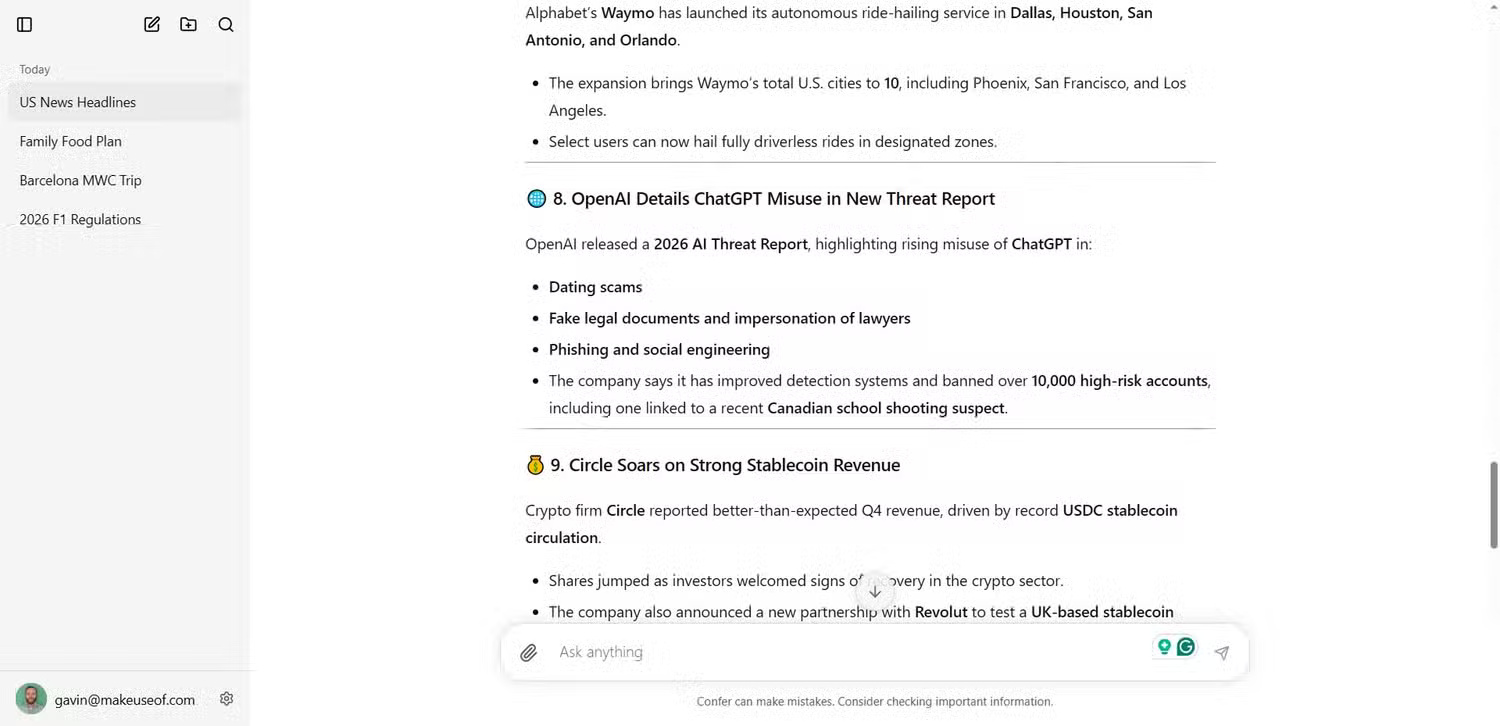
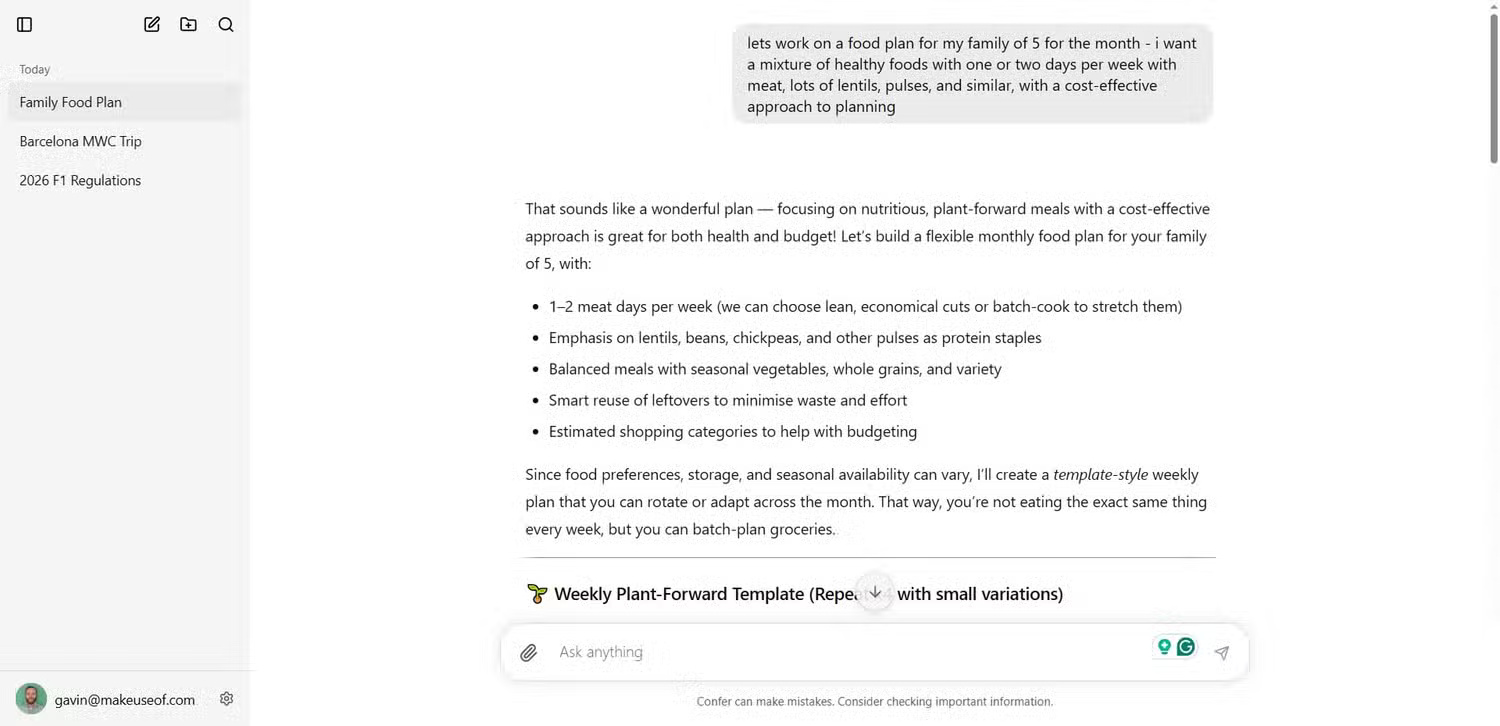
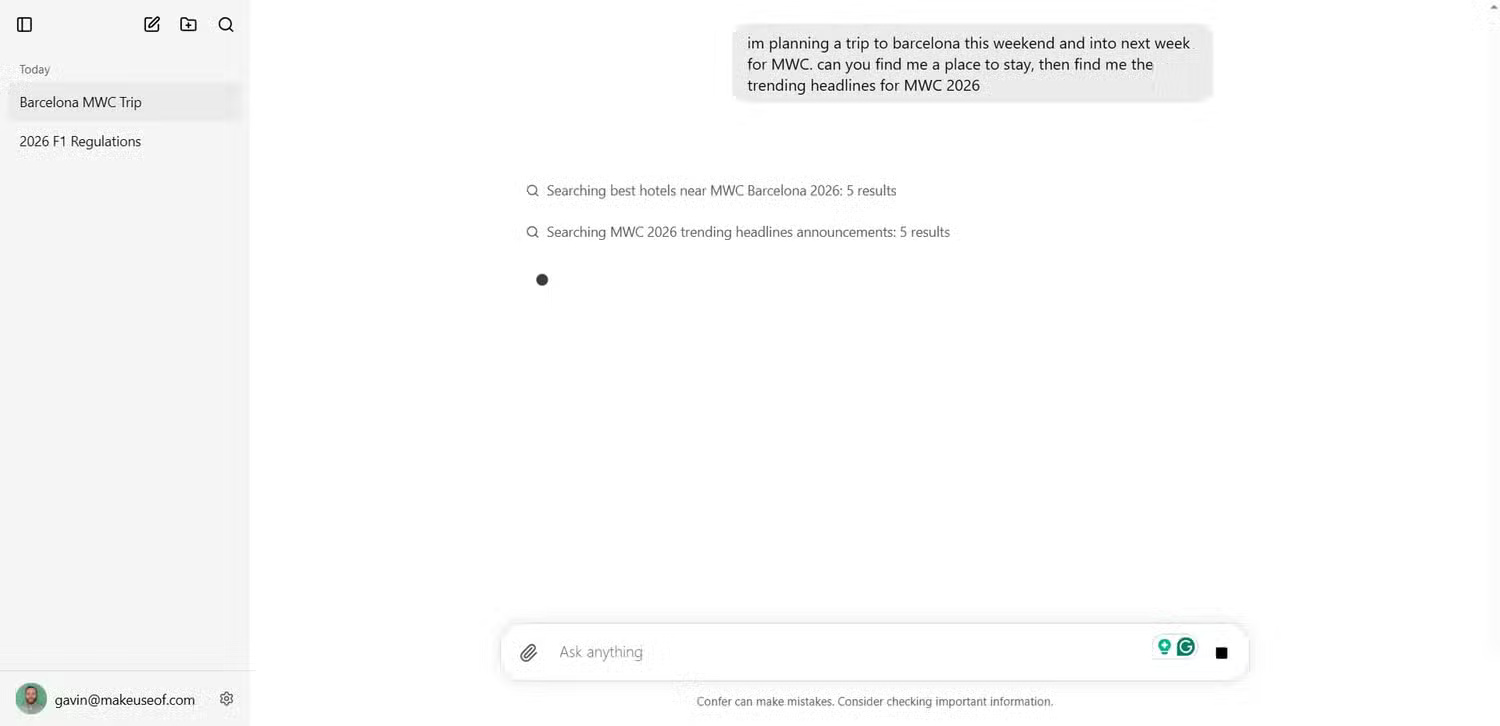
Confer is designed around end-to-end encrypted AI conversations and limited data exposure. It is an interesting option for users who want stronger privacy architecture than a conventional cloud chatbot.
Encryption does not make every use safe. The service still has to process requests within its documented design, and users can reveal personal information in a prompt. Read the current security explanation, determine what metadata is retained, and avoid highly sensitive material unless the risk and policy are acceptable.
Best for: private everyday conversations and users willing to evaluate a newer product. Check first: free query limits, supported models, export options, and whether the service has completed an independent security review.
Claude: focused writing and document analysis
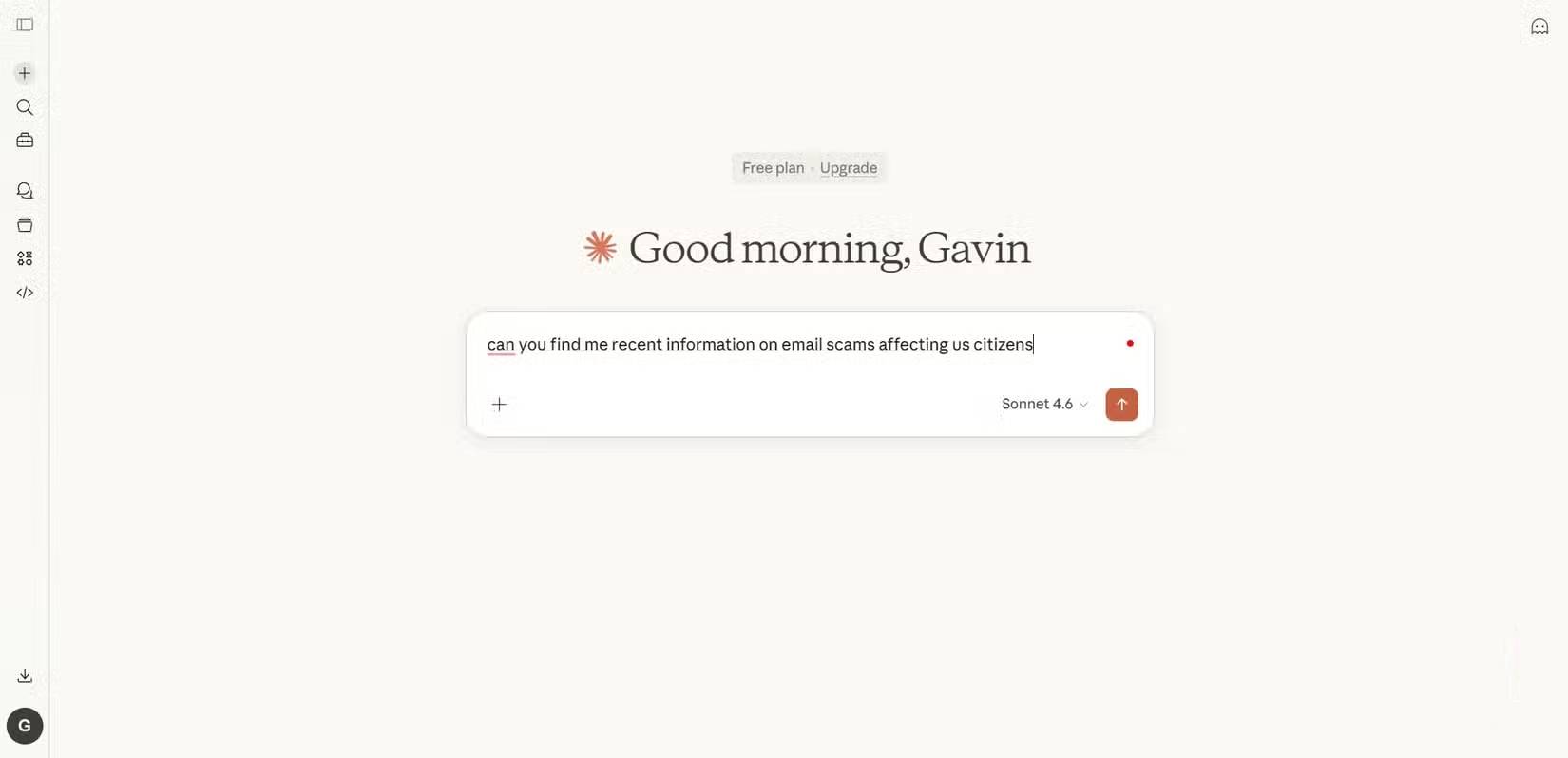
Claude is well suited to revising long text, working through attached documents, explaining complex material, and maintaining a restrained writing style. Anthropic has publicly committed to keeping Claude ad-free, explaining its position in Claude is a space to think.
The free plan has usage limits and may offer different models or tools from paid plans. Claude can still invent details, misread a document, or miss current information. Ask for citations to the uploaded source and verify important claims.
Best for: writing, close reading, and structured analysis. Check first: message limits, file support, and whether the required feature is included in the free plan.
Perplexity: research with visible sources
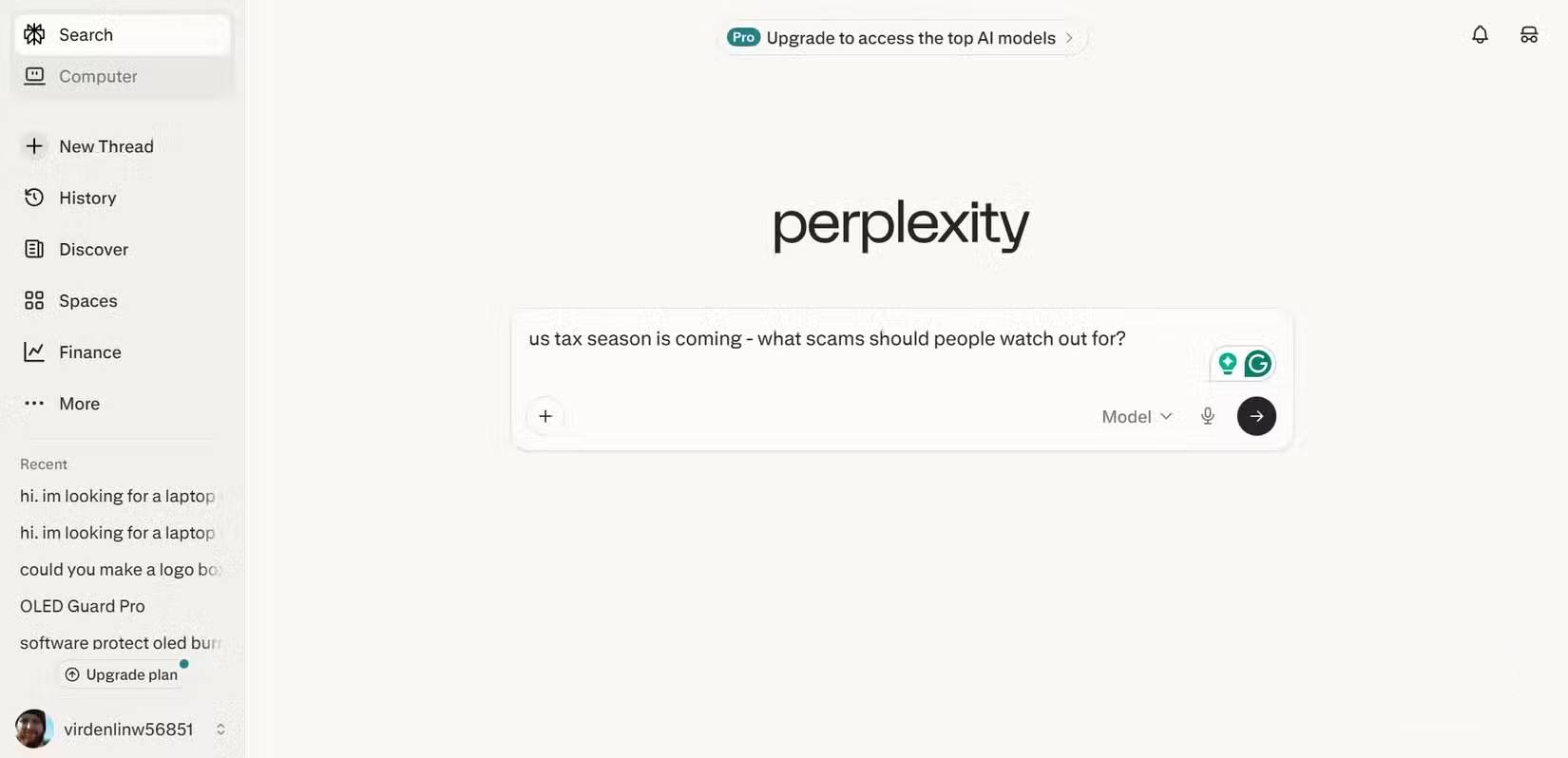
Perplexity behaves more like an answer engine than a blank chatbot. It searches the web, summarizes results, and places source links beside the response. This is convenient for finding an initial set of material on a current topic.
A citation is not proof that the sentence is supported. Open each source, check its date and authority, and distinguish primary evidence from articles that repeat another report. Perplexity tested sponsored questions in the past and later moved away from that experiment; policies can change again.
Best for: exploratory web research and source discovery. Check first: source quality, advanced-search limits, and the current advertising policy.
Duck.ai: anonymous access to multiple models

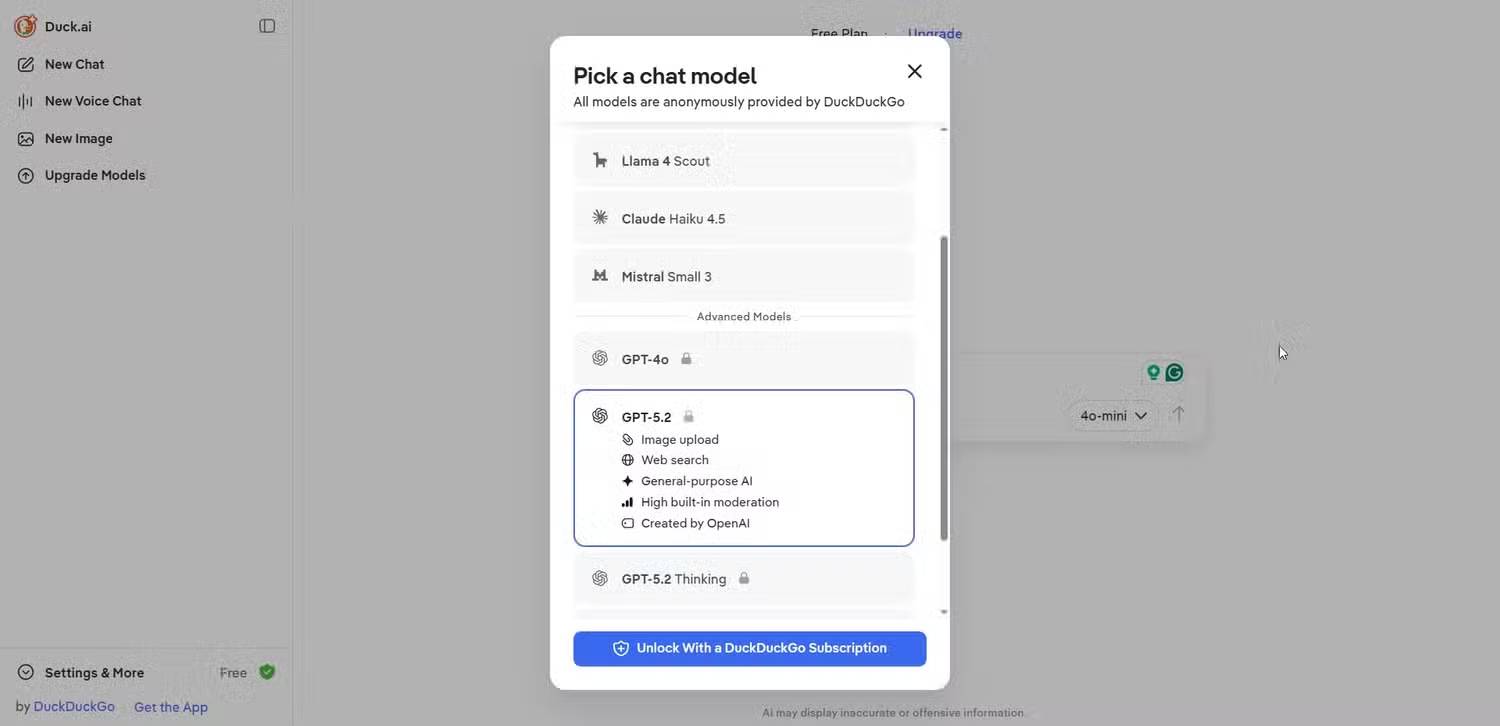

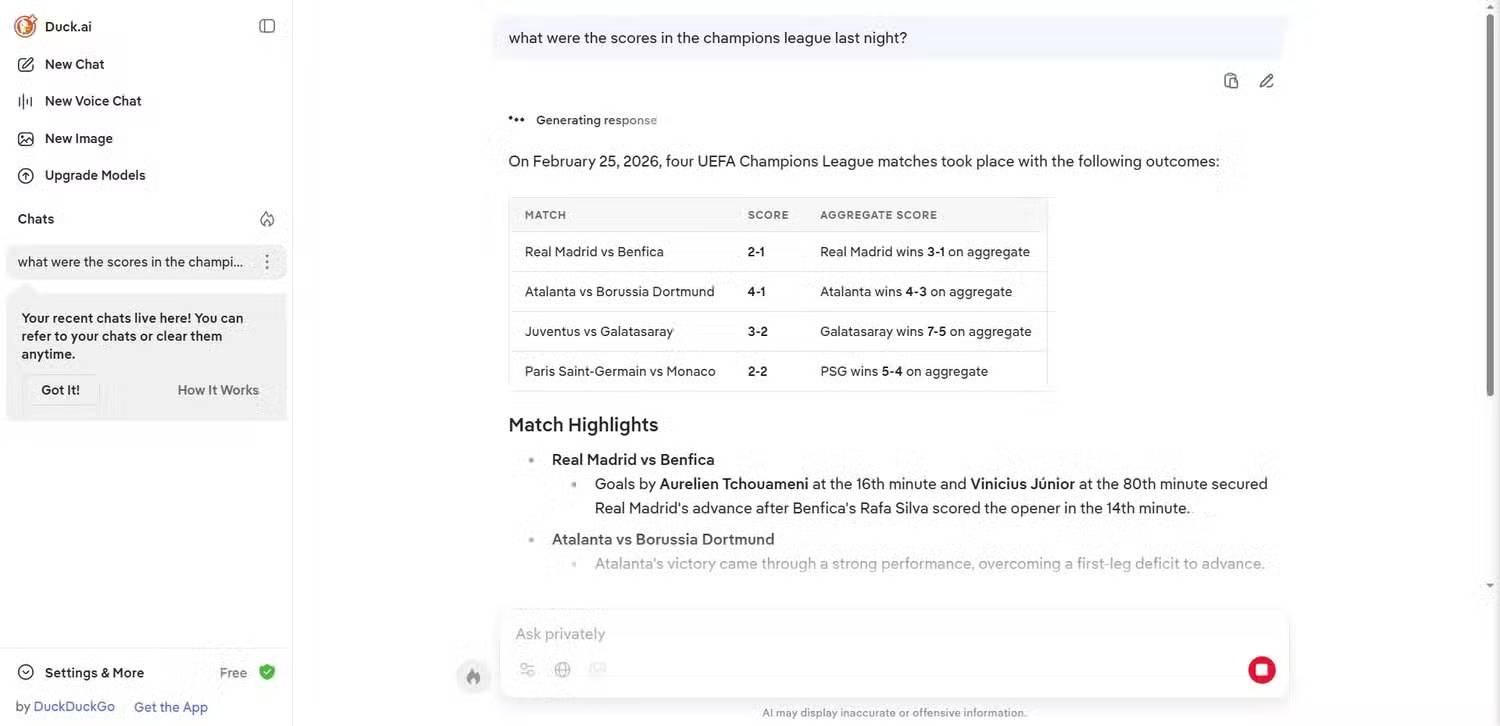
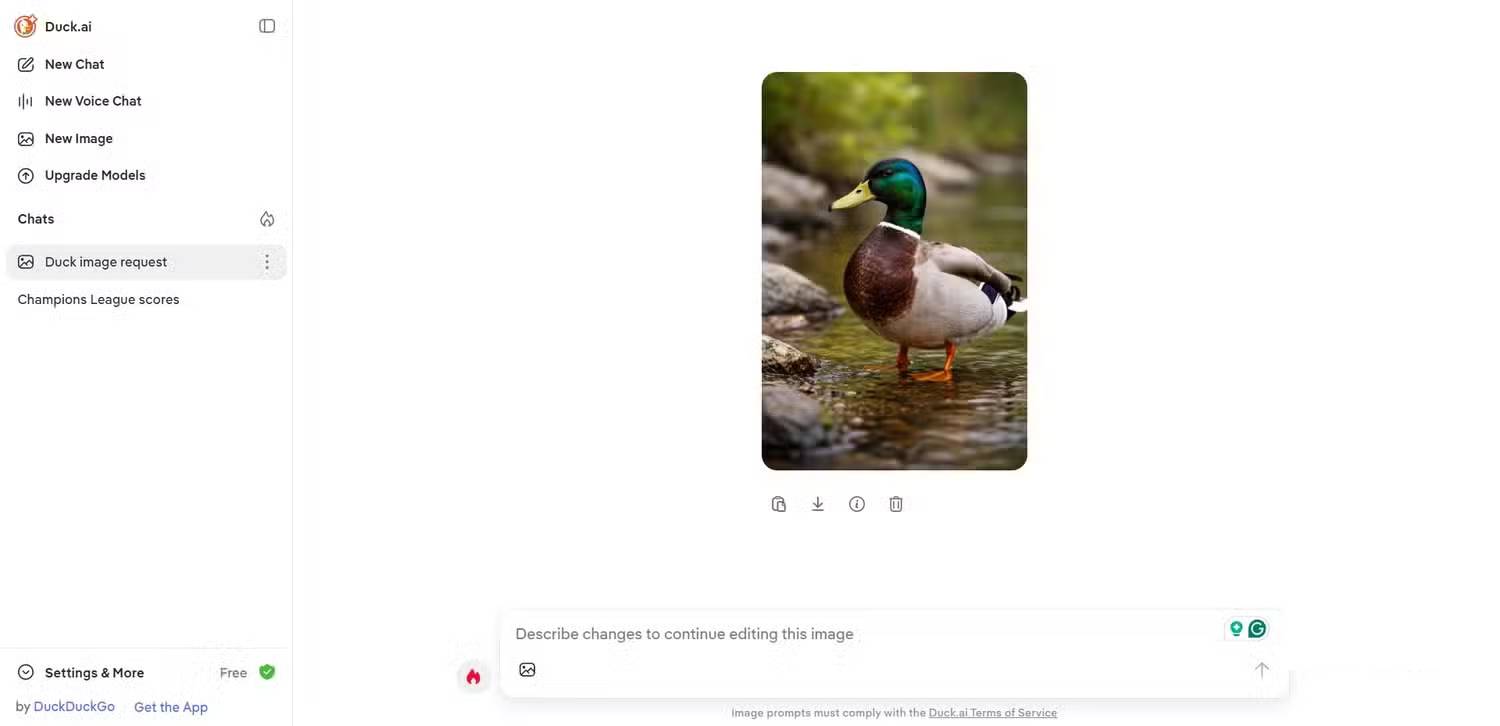
DuckDuckGo acts as an intermediary between users and supported third-party AI models. It says chats are anonymized and, by default, are not recorded or stored on its servers. The current explanation is available in Duck.ai's privacy documentation.
This is useful for trying several models without separate accounts. Free access has daily limits, and the latest or most capable models may require a subscription. Local browser history or copied text can still expose content on your device.
Best for: casual private chat and comparing models. Check first: the available model list, daily limits, and local-device privacy.
Gemini: Google integration and multimodal work

Gemini is convenient for Android users and people working with Google's apps. Depending on the account, it can analyze images and files, use current web information, and connect to selected Google services.
Integration is valuable only when the requested permissions are appropriate. Review connected apps and activity controls, and do not assume that a generated answer is correct because it comes from Google services.
Best for: Android, Google Workspace-related tasks, and multimodal prompts. Check first: regional availability, connected-app permissions, data controls, and model limits.
How to choose
- Write down three tasks you perform often.
- Give every service the same prompt and source material.
- Score accuracy, instruction following, source quality, speed, privacy, and export options.
- Check the free limit over several days, not just one conversation.
- Keep the tool that performs your work reliably rather than the one with the longest feature list.
For high-stakes work, no general chatbot should be the final authority. Verify the output with primary sources or a qualified professional regardless of which service you choose.
Related Articles
 Experience AI Chatbots for Free on the Same Website5 minutes read
 DeepSeek vs ChatGPT: Comparing the Best AI Chatbots to Use11 minutes read
 Learn About ChatGPT-4o: Features, Benefits and How to Use It: Complete Guide7 minutes read
 8 Little ChatGPT Automations That Make Every Day More Enjoyable9 minutes read
 Should You Use the AI Chatbot Copilot or ChatGPT?9 minutes read
 How to Use ChatGPT on Whatsapp3 minutes read
Reader Comments 0
Sign in with email or Google to join the discussion.