Table of Contents
This guide provides a clear, practical overview of worthy upgrade features on smartphones 2020, with useful context, important details, and straightforward takeaways for everyday readers.
The high scan frequency monitor is adaptable
Beginning in 2019, the refresh rate monitor has become a very prominent item in 2020. Thanks to it, operations become smoother, as you have experienced the frequency of scanning. So high, you can hardly go back to 60Hz like before.

The year 2020 is even more special in that, the screen can change the scanning frequency depending on the displayed content. This gives you the experience of watching videos or playing games but still saves battery power when viewing still images. When the smartphone is in the lock screen, the home screen or normal newspaper reading, the screen will only be at 10Hz, consuming very little energy. They can be up to 120Hz when needed. Galaxy Note20 Ultra and Xiaomi Mi 10T Pro are two prominent names for this feature.
The metal back smartphone can still be charged wirelessly
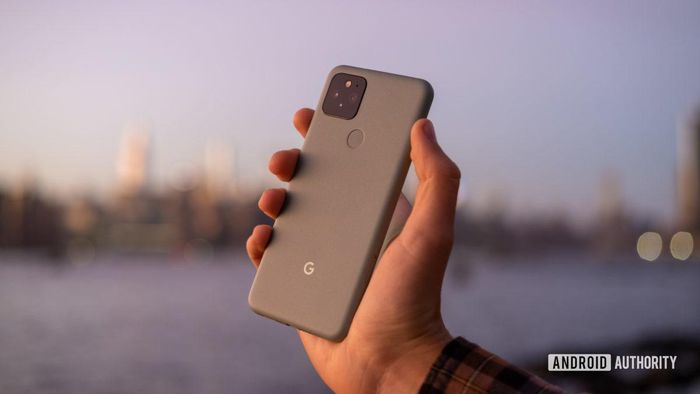
In the past, we used to think that if we wanted to charge wirelessly, the back of the device had to be glass, but Google changed that with the Pixel 5. This machine is made of aluminum but can still be charged wirelessly.
Google has solved this problem by simply cutting a hole right in the magnetic roll then filling that hole with plastic and covering the entire back with a layer of material, so when viewed from the back. You will not be able to see any difference.
Screen design is more customized

The year 2020 has spurred innovation in design as well as features using screens on smartphones. Samsung Galaxy Z Fold2 is a much more complete product than before so that users can use it every day without any inconvenience. The shortcomings of the previous generation have been overcome.
LG with a Wing with a T-shaped rotating screen is also a very interesting idea, so that you can combine multiple applications together. There are also a number of other products such as Huawei Mate Xs, Motorola Razr, Galaxy Z Flip.
The camera under the screen comes true
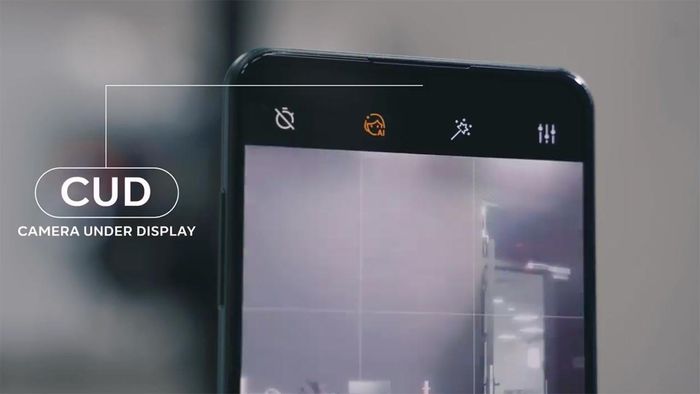
The year 2020 is also the year when smartphone manufacturers return to the selfie camera race, but it's not just a race for resolution, but also about selfie camera technology. With Oppo we can see they bring selfie camera up to 44MP resolution with a series of new AI beauty options, Vivo gives us an extremely cool but special eye-focus Selfie camera. is a Vietnamese smartphone brand that has brought selfie camera technology hidden below the screen on a mid-range device, Vsmart Aris Pro. Although the new ZTE Axon 20 5G is the first in the world to do this, Aris Pro is ahead thanks to the AI algorithm equipped by Vsmart that offers a better selfie quality than its competitors from ZTE.
iPhone 12 Pro Max takes smartphone cameras to a new level
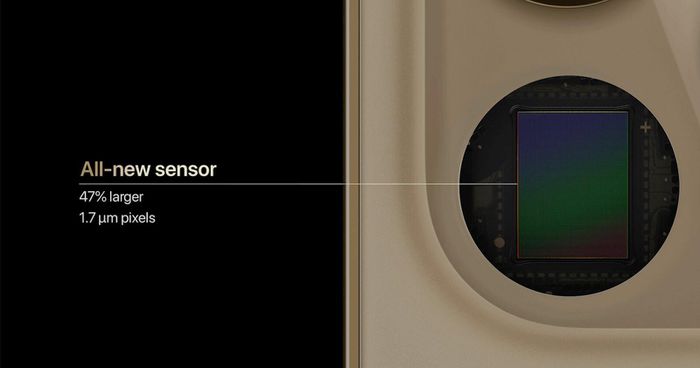
With the iPhone 12 Pro Max, Apple has equipped a new, 47% larger camera sensor with anti-shake technology on the sensor for better light capture and noise reduction. Meanwhile, anti-shake enables sharper, brighter photos in low light without having to turn on Night Mode.
Key Takeaways
Use the information above as a practical reference for worthy upgrade features on smartphones 2020. Review each step carefully, confirm any requirements, and choose the option that best fits your situation.
FAQ
What does this guide explain about Worthy Upgrade Features on Smartphones 2020?
It explains the main concepts, practical considerations, and useful steps related to worthy upgrade features on smartphones 2020 without requiring advanced knowledge.
Who can benefit from learning about Worthy Upgrade Features on Smartphones 2020?
This information is useful for readers who want a clear overview, practical guidance, and reliable steps related to worthy upgrade features on smartphones 2020.
What should I check before applying this information?
Review the requirements, confirm that your device, software, or situation matches the instructions, and back up important data before making major changes.
Related Articles
 10 Super Useful New Features of Smartphones That Few People Know8 minutes read
 Upgrade iOS 10 and Attractive Features Not to Be Missed7 minutes read
 Enable Bedtime Sleep Monitoring on iOS 105 minutes read
 Here's How to Update Your Phone to Windows 10 Mobile, Whether It's5 minutes read
 7 AI Features You Really Need on Your Smartphone7 minutes read
 Top Smartphones: Top Most Anticipated Smartphones of February 20254 minutes read
Reader Comments 0
Sign in with email or Google to join the discussion.