Table of Contents
Some Pokémon are harder to catch because they have a lower base catch rate, a high flee rate, or appear at a high combat power for the trainer who encounters them. This list highlights species that were notably difficult in Pokémon GO's early catch data, then explains the practical steps that still matter when a Pokémon repeatedly breaks out of the ball.

Important: the percentages below describe the historical base rates associated with the original version of this article. They are not a guaranteed success rate for a specific encounter. The final chance is also affected by the Pokémon's level, the ball and berry used, throw quality, curveballs, type medals, and temporary event or encounter rules.
Why catch difficulty varies
A low base catch rate is only the starting point. The colored target ring gives a quick indication of the current difficulty: green is easier, while orange or red signals a tougher attempt. A smaller target ring can earn a Nice, Great, or Excellent throw bonus, but it also demands better timing. Pokémon may also attack or jump, so throwing during the wrong animation wastes a ball.
Evolutionary stage matters too. Fully evolved Pokémon are generally more difficult than common first-stage species. This is why the Kanto starters' evolutions dominate the original list.
Difficult starter evolutions
1. Ivysaur — historical base catch rate: 8%

Ivysaur is Bulbasaur's second stage. Use a better ball when available, add a berry, and wait until its attack animation is ending before releasing a curveball.
2. Charmeleon — historical base catch rate: 8%

Charmeleon is Charmander's second stage. Its lower historical base rate made careless straight throws unreliable, especially at higher encounter levels.
3. Wartortle — historical base catch rate: 8%

Wartortle is Squirtle's second stage. Treat an orange or red catch circle as a reason to combine a stronger ball with a berry rather than relying on repeated unboosted throws.
4. Venusaur — historical base catch rate: 4%
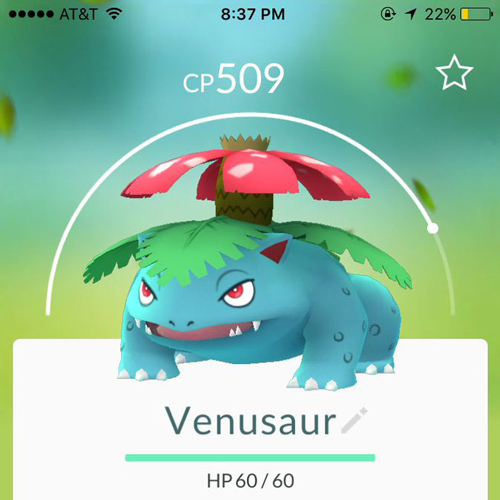
As Bulbasaur's final evolution, Venusaur was one of the toughest wild catches in the original data. Prioritize an accurate curveball over a rushed attempt at the smallest possible target.
5. Charizard — historical base catch rate: 4%

Charizard is Charmander's final evolution. Its rare appearance and low historical base rate make it a poor encounter on which to conserve your best ball and berry.
6. Blastoise — historical base catch rate: 4%
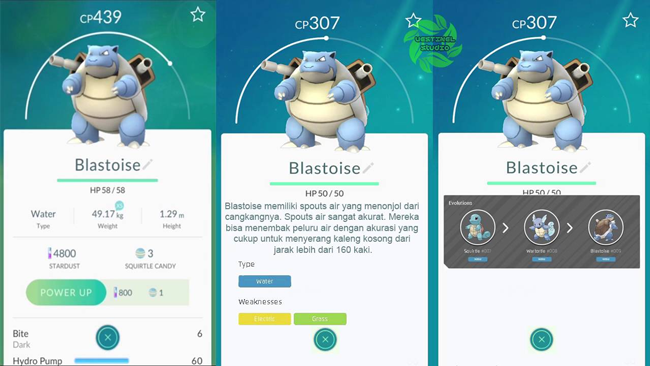
Blastoise completes Squirtle's evolution line. Build the catch bonus in layers: choose the strongest suitable ball, use a berry, throw a curveball, and aim for a Great or Excellent hit only if you can do so consistently.
Other Pokémon that often resisted capture
7. Raichu — historical base catch rate: 8%
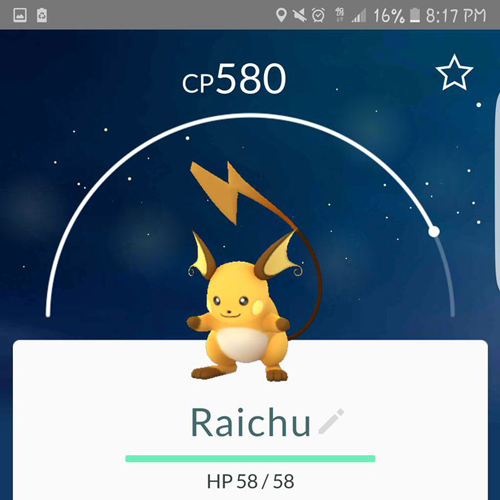
Raichu is Pikachu's evolved form. Its position on screen and attack timing can make good throws less consistent, so observe one animation cycle before committing a valuable ball.
8. Clefable — historical base catch rate: 8%

Clefable evolves from Clefairy. A patient throw after an attack is safer than releasing while the Pokémon is still moving.
9. Ninetales — historical base catch rate: 8%
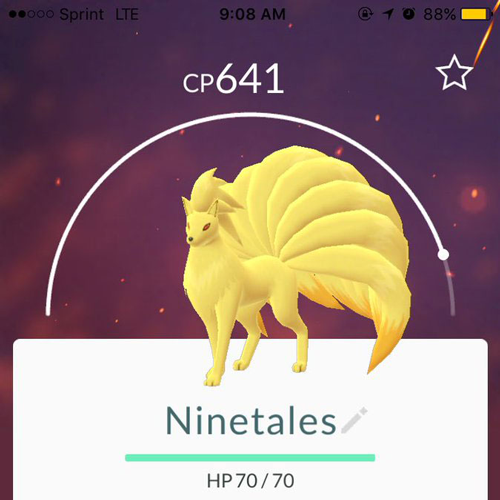
Ninetales is the evolved form of Vulpix. If its catch circle remains red after selecting a stronger ball, add a berry before attempting the throw.
10. Arcanine — historical base catch rate: 8%
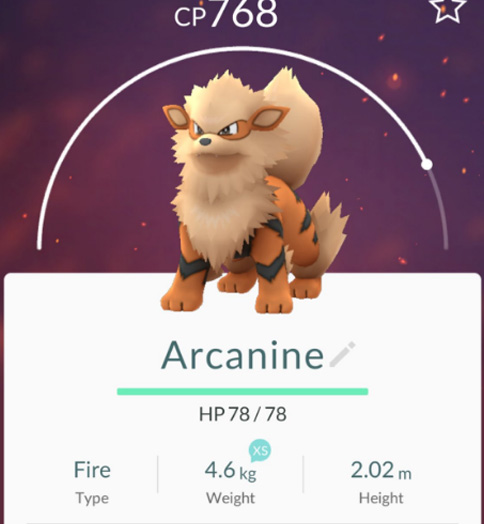
Arcanine evolves from Growlithe. Because an evolved wild encounter may be uncommon, use your available catch bonuses instead of treating it like a routine spawn.
11. Gyarados — historical base catch rate: 8%
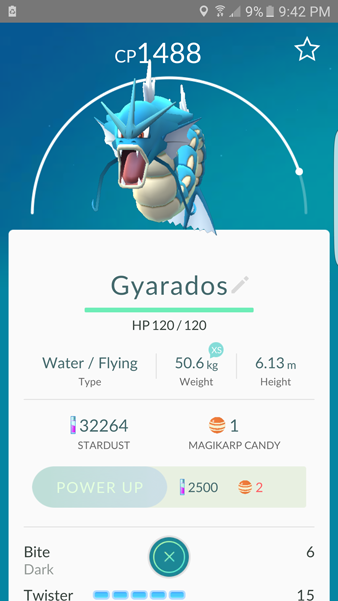
Gyarados evolves from Magikarp and is much more difficult to secure than its first stage. Its distance can affect throw timing, so practice the curve and release point rather than throwing rapidly.
12. Dragonair — historical base catch rate: 8%

Dragonair is Dratini's second stage. A successful catch can save substantial evolution effort, which makes a berry and a stronger ball worthwhile.
13. Gengar — historical base catch rate: 8%

Gengar is the final evolution of Gastly. Watch for its movement and attack pattern, then time the throw for the brief window when it returns to its normal position.
14. Dragonite — historical base catch rate: 4%
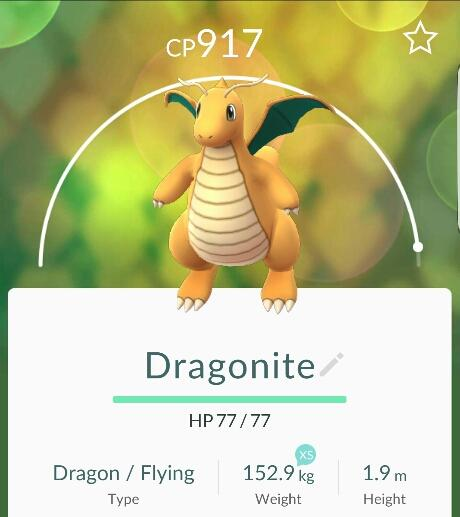
Dragonite is Dratini's final evolution and had one of the lowest rates in the original list. If you have limited premium items, this is the kind of rare encounter for which they are most useful.
The unusual case: Abra's flee risk
15. Abra — historically associated with a very high flee rate

Abra is different from the evolved Pokémon above. The original concern was not simply breaking out; it was the strong chance that Abra would flee after an unsuccessful attempt. Make the first throw count by preparing the ball and berry before you release it.
Practical ways to improve a catch attempt
- Read the target color: it reflects the difficulty of the current attempt after your selected ball and other modifiers are considered.
- Use an appropriate berry: choose one that improves the chance of capture when securing the Pokémon matters more than extra Candy.
- Throw curveballs: a controlled curveball provides a catch bonus and is more useful than a rushed straight throw.
- Aim for consistent accuracy: a reliable Great throw is better than repeatedly missing while chasing an Excellent throw.
- Time the attack animation: release so the ball lands just after the Pokémon finishes attacking, reducing the chance that it knocks the ball away.
- Improve type medals: catching more Pokémon of the relevant types contributes to catch bonuses over time.
No list can predict every encounter. Use the catch-circle color and your available items to judge the Pokémon in front of you, and reserve the strongest combination for rare, evolved, or high-priority catches.
Related Articles
 How to Catch Dragonite, Snorlax, Gyarados and Other Rare Pokémon in Pokémon GO?5 minutes read
 How to Catch Pokémon Rare in Pokémon GO4 minutes read
 How to Own the 'Pokémon' in Pokémon GO?6 minutes read
 How to Catch Rare Pokemon in Pokemon GO - Rare Creatures, Very9 minutes read
 26 Types of Poké Balls Explained: Part 18 minutes read
 You Should Not Ignore the Top 5 Easy to Catch Pokémon but Not Trivial7 minutes read
Reader Comments 0
Sign in with email or Google to join the discussion.