Table of Contents
If one key, a group of keys, or an entire keyboard stops responding, first identify the pattern. Test the keys in another app, reconnect the keyboard, and check for power or debris. A single failed key on a laptop may require service; software or connection issues can often be checked without opening the device.

Check the connection and keyboard settings
- USB keyboard: Disconnect it and try another USB port directly on the computer. Restart the computer.
- Wireless keyboard: Replace or charge the battery, turn the keyboard off and on, reseat its receiver, or reconnect Bluetooth using the keyboard maker’s instructions. Move it closer while testing.
- Keys type the wrong characters or seem delayed: Check the selected keyboard layout and accessibility settings such as Filter Keys in Windows.
- Only one app is affected: Test in a plain text editor. The application or a key-remapping tool may be the cause.
Clean safely
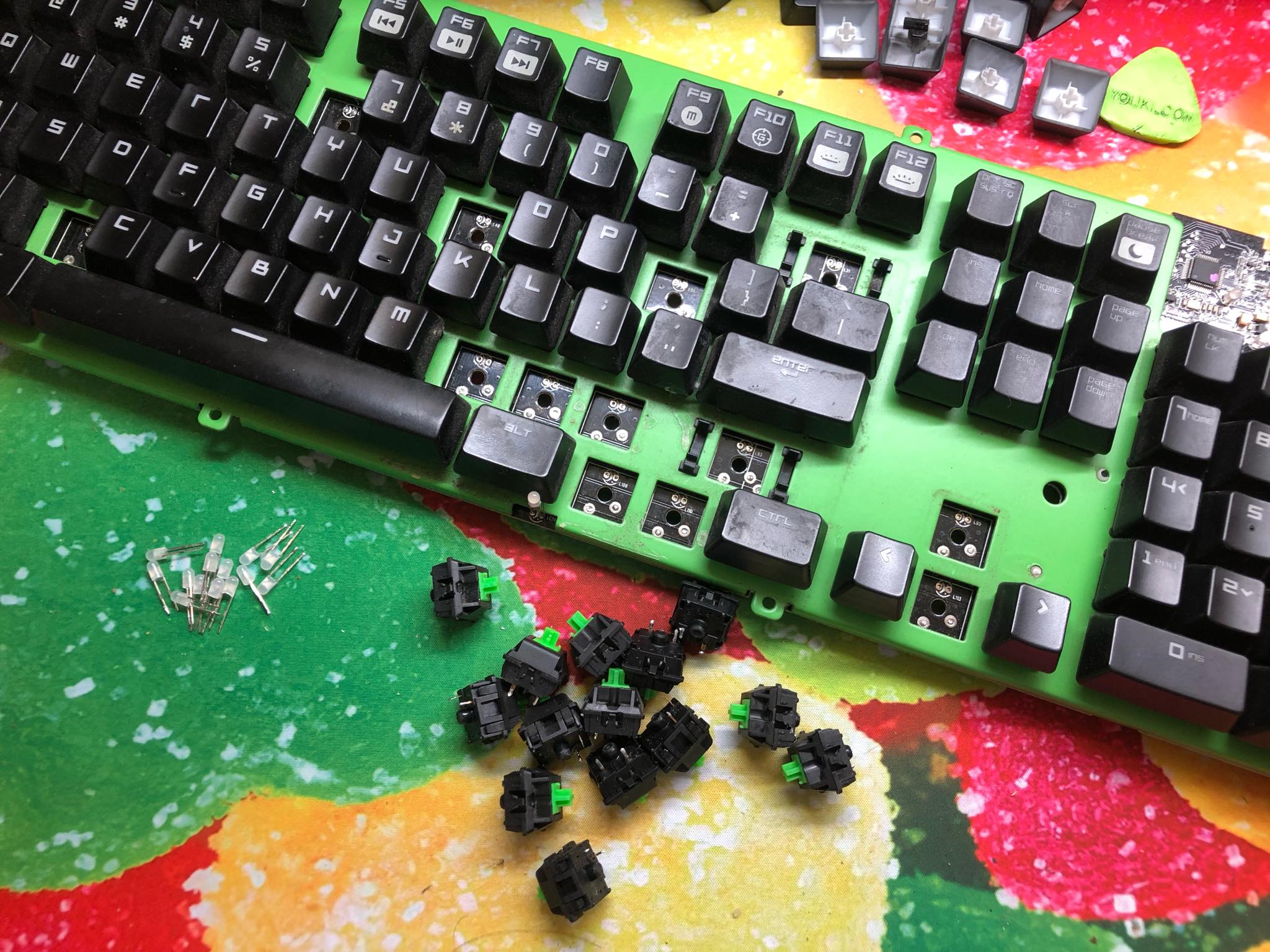
Turn off and unplug an external keyboard before cleaning. Use a soft brush or follow the manufacturer’s cleaning guidance. Do not pour liquid onto the keys or pry off keycaps unless the keyboard maker says they are removable. Laptop key mechanisms are especially easy to damage.
When a key or row still does not work
If the same keys fail in multiple apps or before Windows loads, the switch, keyboard matrix, or internal connection may need repair. A whole row or cluster failing can indicate a hardware issue. For a laptop, use an external keyboard temporarily and arrange service rather than opening the case yourself.
For additional diagnosis, see TipsMake’s guide to troubleshooting a laptop keyboard that is not working. If liquid was spilled, power the laptop off, disconnect the charger if safe, and stop testing keys; seek prompt professional inspection.
Related Articles
 Homemade keyboard is not difficult
 Top best mechanical keyboards 2025
 See the strange mechanical keyboards of the Vietnam Mechanical Keyboard Association
 Instructions for replacing mechanical keyboard switches with 5 simple steps at home
 Top 5 best mechanical keyboard brands today
 How does a mechanical keyboard work?
Reader Comments 0
Sign in with email or Google to join the discussion.