Table of Contents
Over-ear headphones surround the outer ear, on-ear headphones press against it, and in-ear headphones use tips that seal at the ear-canal entrance. These shapes influence size, heat, fit, isolation, and portability, but they do not determine sound quality by themselves.
What are over-ear headphones?
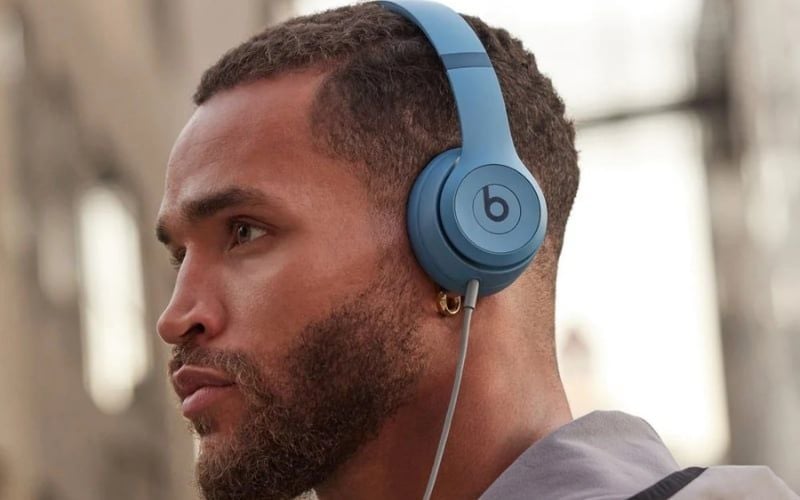
Over-ear, or circumaural, headphones use pads with openings intended to enclose the pinnae. The pads rest against the head, although shallow cups or small openings can still touch the ears.

The design provides room for large pads and can distribute pressure well, but it does not guarantee isolation, bass, soundstage, or “surround sound.” Closed-back over-ear models usually reduce external noise; open-back models intentionally leak sound and let the environment through. Driver diameter alone does not predict bass depth or quality.
What are in-ear headphones?
In-ear headphones use silicone or foam tips to form an acoustic seal at the ear-canal entrance. Most should not be inserted deeply unless specifically designed and fitted for that use. A correct tip size supports bass consistency, passive isolation, and stability without pain.
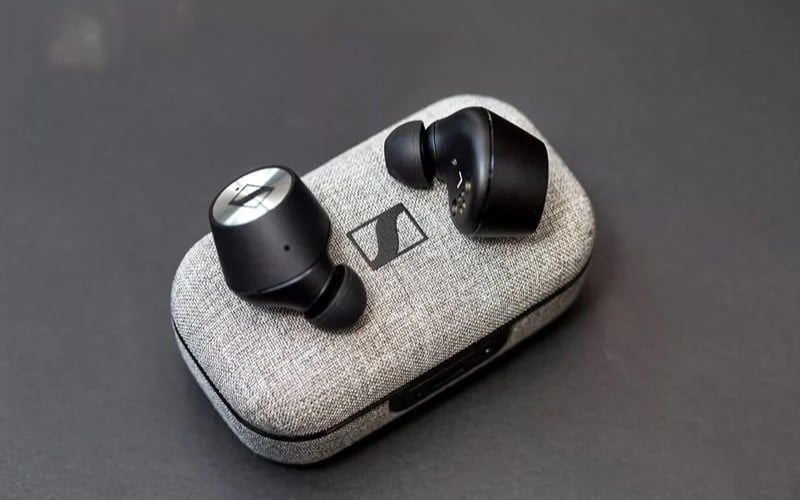
In-ear models may be wired or true wireless stereo (TWS). “True wireless” means there is no cable between the left and right earpieces; it does not describe the acoustic fit or sound quality.
What are on-ear headphones?
On-ear, or supra-aural, headphones have pads that rest directly on the pinnae instead of surrounding them. They are often smaller than over-ear models, but clamp force and pad shape can create more pressure on ear cartilage.
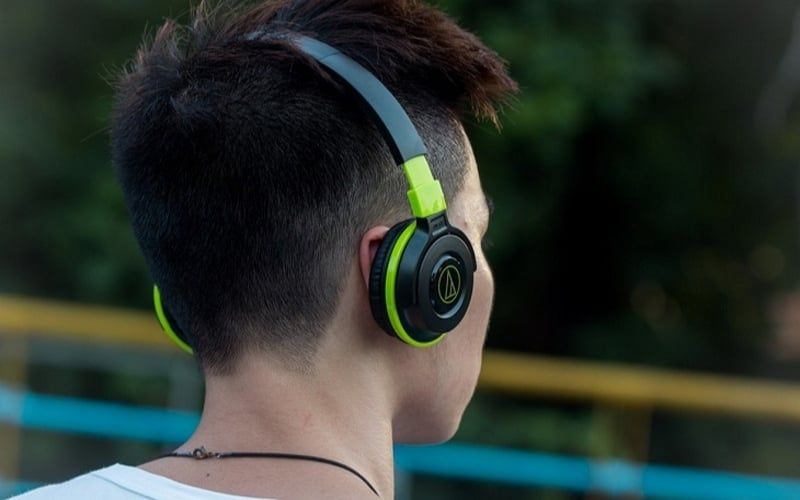
Some on-ear models fold neatly and breathe well; others clamp firmly and isolate strongly. Treat those as product-level characteristics rather than rules for the category.
Comparison at a glance
| Criterion | In-ear | On-ear | Over-ear |
|---|---|---|---|
| Contact point | Tip seals at the ear-canal entrance | Pads press on the pinnae | Pads rest around the pinnae |
| Typical packed size | Smallest | Small to medium; may fold | Usually largest; some fold |
| Passive isolation | Often strong with a correct seal | Variable | Variable; closed models isolate, open models do not |
| Comfort variables | Tip size, material, nozzle angle, insertion depth | Clamp, pad pressure, heat | Cup depth, pad opening, clamp, weight, heat |
| Sound quality | Ranges from poor to excellent | Ranges from poor to excellent | Ranges from poor to excellent |
| Exercise | Secure sports models can work well | Depends on clamp and sweat rating | Often hot and bulky, but product-dependent |
Sound and isolation
A good acoustic seal is important for both sealed in-ear and closed-back headphones. Glasses, hair, worn pads, or an incorrect ear tip can leak low frequencies and reduce isolation. Open-back over-ear headphones deliberately forgo that seal on the rear of the driver.
In-ear designs can reproduce deep bass and precise imaging; over-ear designs can sound narrow or bass-light. The reverse can also be true. Frequency response, driver behavior, enclosure, DSP, fit, and recording are the meaningful factors.
Active noise cancellation is separate from passive isolation. ANC can be included in any of these forms and is most effective against some steady noises. Compare measured performance and comfort rather than assuming in-ear or over-ear always wins.
Practical strengths and tradeoffs
In-ear
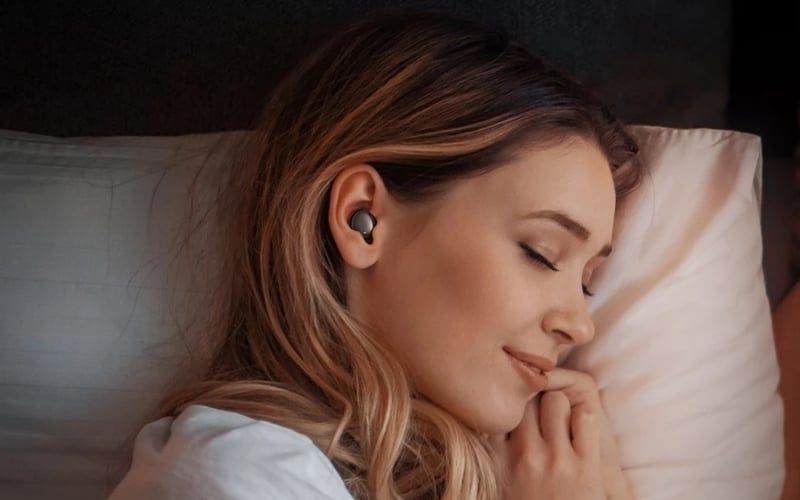
- Strengths: compact, light, generally good isolation with a seal, easy to wear under some hats and helmets.
- Tradeoffs: some users dislike canal pressure; tips and nozzle filters need cleaning; fit differs between ears; tiny wireless batteries age.
Over-ear
- Strengths: pad pressure can be spread around the ear, controls and batteries can be larger, open and closed designs are available.
- Tradeoffs: bulk, heat, hair and glasses seal issues, and possible neck or hotspot discomfort.

On-ear
- Strengths: often lighter and more compact than over-ear; can be quick to put on and remove.
- Tradeoffs: direct ear pressure, variable bass seal, and less room inside the cups.
Choosing by situation
- Quiet home listening: open-back over-ear headphones can be comfortable and spacious if leakage will not disturb anyone.
- Commute or shared office: sealed in-ear or closed-back headphones reduce leakage; ANC may add value.
- Gaming: use the design that stays comfortable. Check channel balance, latency, tuning, microphone, and platform support; over-ear is not automatically more positional.
- Exercise: prioritize secure fit, water-resistance rating, controls, awareness needs, and cleanability. Remove headphones when surroundings require full attention.
- Calls: listen to microphone samples in the intended environment. Form factor does not determine voice quality.

Wearing over-ear headphones with glasses
Glasses can break the pad seal and create temple pressure. Softer pads may help, but very soft foam can still push a thick frame into the head. Try the exact combination, adjust clamp and cup position, and compare bass with and without the glasses. Do not permanently stretch the headband beyond the manufacturer's adjustment range.
How to test comfort before buying
- Wear the product for the length of a normal session.
- Check for sharp canal pressure, cartilage pain, hot spots, jaw contact, and heat.
- Move, speak, and wear glasses or a helmet as you normally would.
- Verify both ears retain a consistent seal and sound.
- Confirm replacement tips or pads are available.
The earbud versus in-ear guide provides more help with open-fit and sealed earphones. For broader connection, ANC, and specification choices, use the headphone types and buying guide.
Related Articles
 How to Identify the Most Accurate and Fake iPhone Headphones5 minutes read
 Choose Headphones Like In-ear, On-ear or Over-ear?8 minutes read
 Distinguishing the Most Popular Types of Headphones6 minutes read
 Headphones Explained7 minutes read
 Top 7 Best Wired Headphones: What You Need to Know8 minutes read
 What Are Headsets with Microphones?9 minutes read
Reader Comments 0
Sign in with email or Google to join the discussion.