Table of Contents
Wired headphones are a practical choice when you want a direct connection, no Bluetooth pairing, and no battery to charge. They are especially useful for desktop listening, recording, gaming, and devices where predictable latency matters. Sound quality still depends on the headphone, source, fit, and recording; a cable alone does not guarantee better audio.
This list covers open-back, closed-back, and in-ear designs at very different prices. The models are not interchangeable, so start with where you will listen and what device will power them.
What to check before buying wired headphones
- Open or closed back: open-back headphones usually create a spacious presentation but leak sound and provide little isolation. Closed-back models are more suitable around other people.
- Impedance and sensitivity: some headphones play well from a phone or laptop, while high-impedance models may need a capable headphone amplifier for adequate volume and control.
- Connector: many current phones lack a 3.5mm jack. You may need a compatible USB-C or Lightning audio adapter with a built-in DAC.
- Fit: ear-pad shape, clamping pressure, total weight, and heat matter during long sessions.
- Replaceable parts: detachable cables and available ear pads can extend the useful life of a headphone.
If price is your primary constraint, compare these models with TipsMake’s list of affordable headphones. Availability and pricing for the products below may differ by region.
1. Sennheiser HD 660S2: open-back listening at a desk
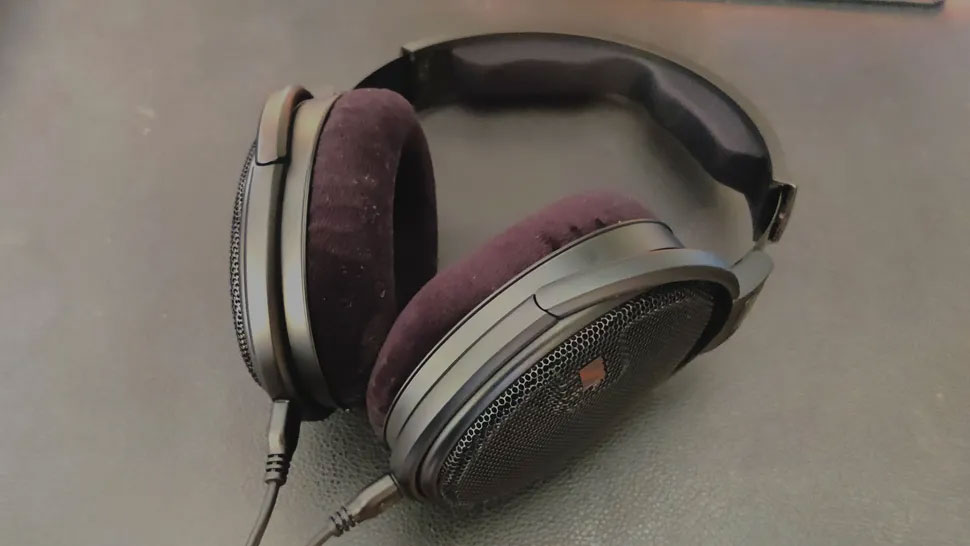
The HD 660S2 is a 300-ohm, open-back dynamic headphone intended for focused home listening. Its design allows sound to pass through the earcups, which can create a more open presentation but also means people nearby will hear your music. It is not a good choice for commuting, an office shared with others, or recording near a live microphone.
The package includes detachable 6.3mm and balanced 4.4mm cables plus a 3.5mm adapter in supported regions. A laptop may produce sound, but a suitable audio interface or headphone amplifier is the safer pairing if you want useful volume headroom from the 300-ohm load.
Best for: albums, mixing references, and quiet-room listening. Avoid if: you need isolation or a compact portable setup.
2. Sivga Oriole: efficient closed-back over-ear headphones
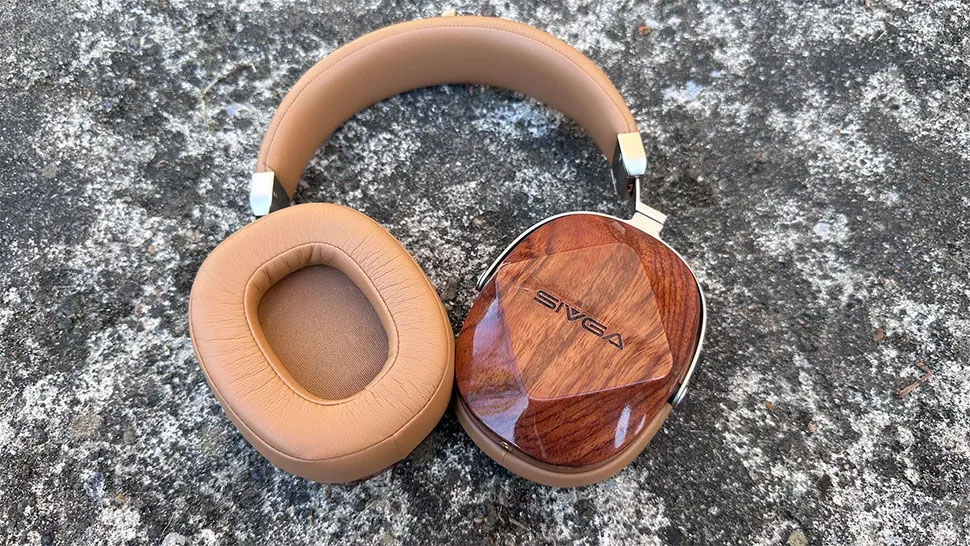
The Sivga Oriole uses a closed wooden housing and a 50mm dynamic driver. Its 32-ohm impedance and stated 108dB sensitivity make it easier to drive than the high-impedance desktop models in this list. At about 280g with memory-foam pads and a detachable cable, it is positioned as a comfortable general-purpose over-ear option.
Closed-back construction reduces leakage compared with an open headphone, although isolation and bass response depend heavily on the pad seal. Glasses, hair, and head shape can change that seal, so buy from a seller with a sensible return policy when possible.
Best for: home or office listeners who want an easier-to-power closed-back design.
3. Meze Audio Liric: premium closed-back planar magnetic headphones
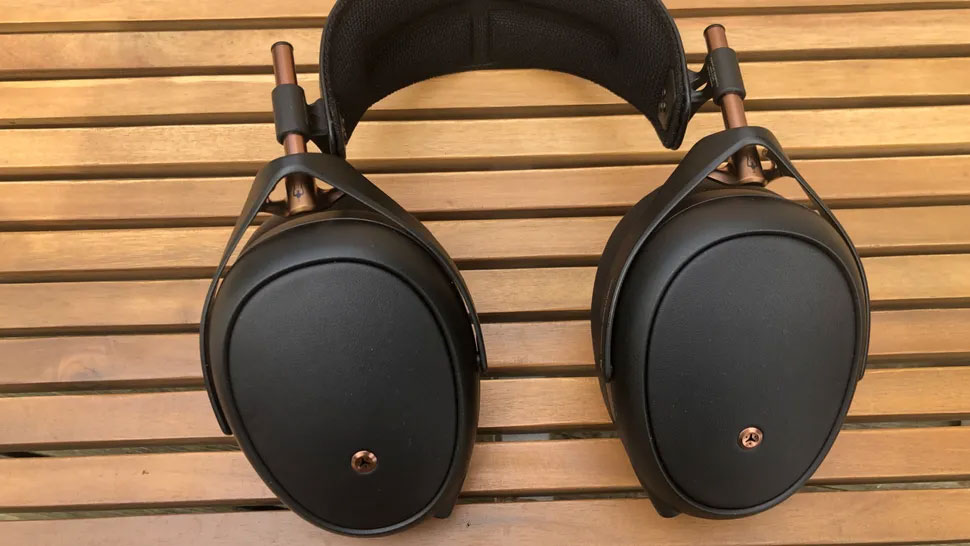
The Liric is a closed-back, circumaural planar magnetic headphone with a 61-ohm impedance. It targets listeners who want high-end construction and detailed home or transportable listening without the sound leakage of an open-back flagship.
It is substantially more expensive than most choices here, and different Liric generations or packages may use different pads, cables, or tuning. Audition it with your own music and source before treating it as an automatic upgrade; personal preference matters more than price at this level.
Best for: experienced listeners seeking a premium closed-back planar design.
4. Sennheiser IE 300: compact wired in-ear monitors
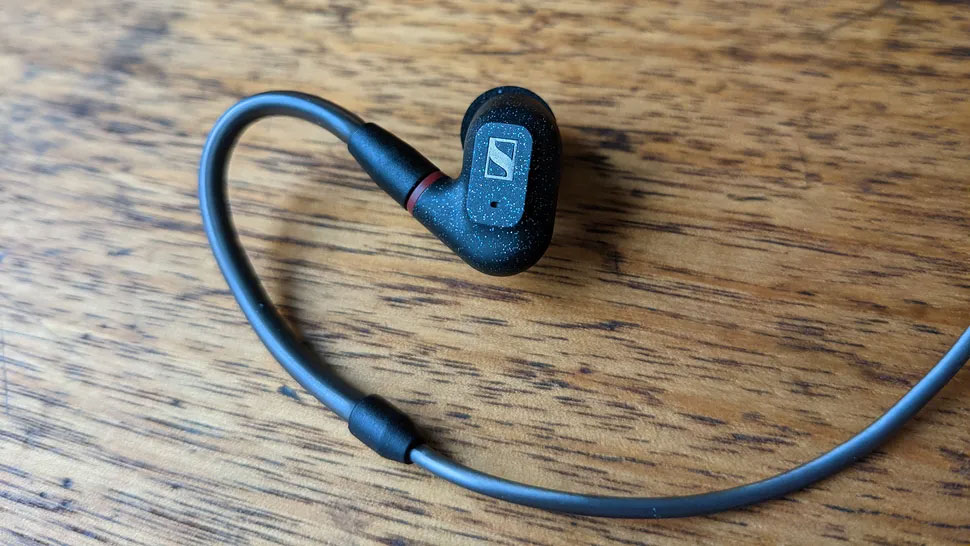
The IE 300 is a small in-ear monitor with over-ear cable routing, detachable MMCX-style connectors, and a dynamic driver. Its compact format provides more passive isolation than an open headphone and is easier to carry than any over-ear model in this list.
Fit is decisive. Try the supplied ear-tip sizes and look for a stable seal without pressure or pain. A poor seal reduces bass and outside-noise isolation. The IE 300 is also an older model with limited availability in some markets, so verify seller authenticity, warranty coverage, and replacement-cable compatibility before buying.
Best for: portable wired listening when small size and isolation matter.
5. 1MORE Triple Driver In-Ear: accessible multi-driver earphones
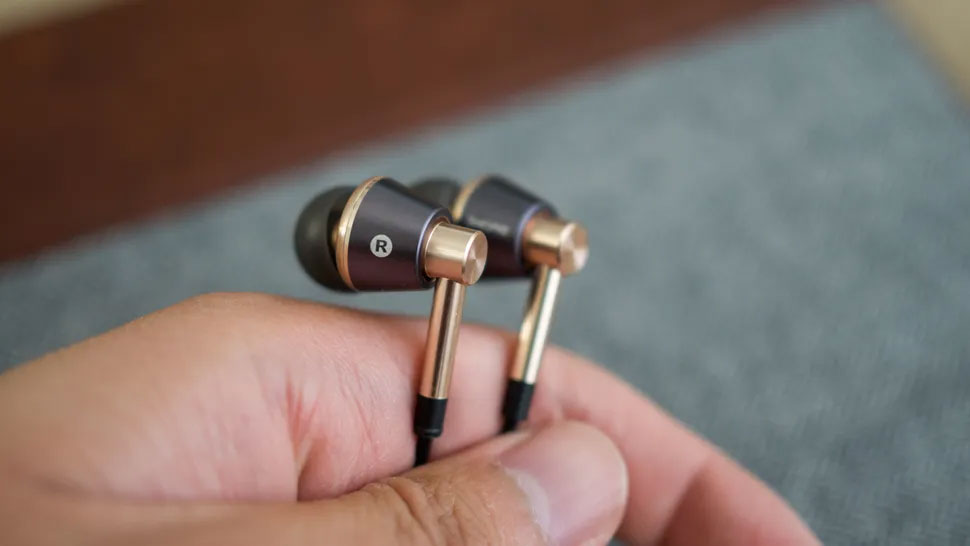
The 1MORE Triple Driver combines one dynamic driver with two balanced armatures in each earpiece. It is an established option for listeners who want a traditional wired earphone with an inline remote and microphone on compatible versions.
Check the remote’s compatibility with your phone and adapter, because play, volume, and microphone functions can vary between platforms. The cable is less serviceable than the detachable designs on some IEMs, so store it loosely rather than wrapping it tightly. These cable-storage tips for wired headphones can help reduce tangles and strain.
Best for: convenient everyday wired listening at a moderate price.
6. Grado SR80x: lightweight open-back sound
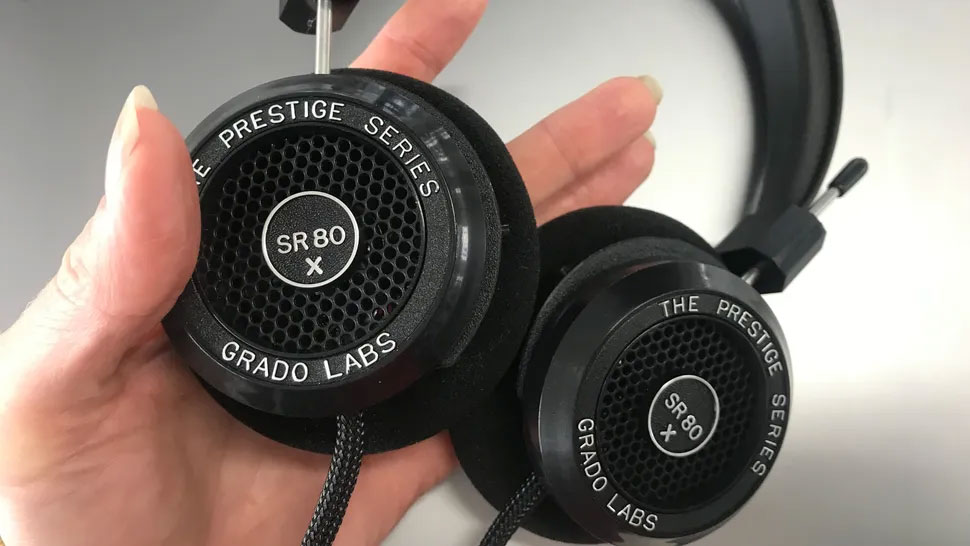
The SR80x is a 38-ohm open-back headphone with an on-ear fit. It is light and relatively easy to power, making it an approachable way to try an open design without buying a dedicated high-output amplifier first.
Its foam pads rest on the ears rather than surrounding them, and comfort is personal. The open cups leak substantially and do not block environmental sound, so the SR80x belongs in a quiet private space rather than on public transport.
Best for: listeners who want an accessible, lively open-back headphone and do not need isolation.
7. FiiO FT3: high-impedance open-back headphones
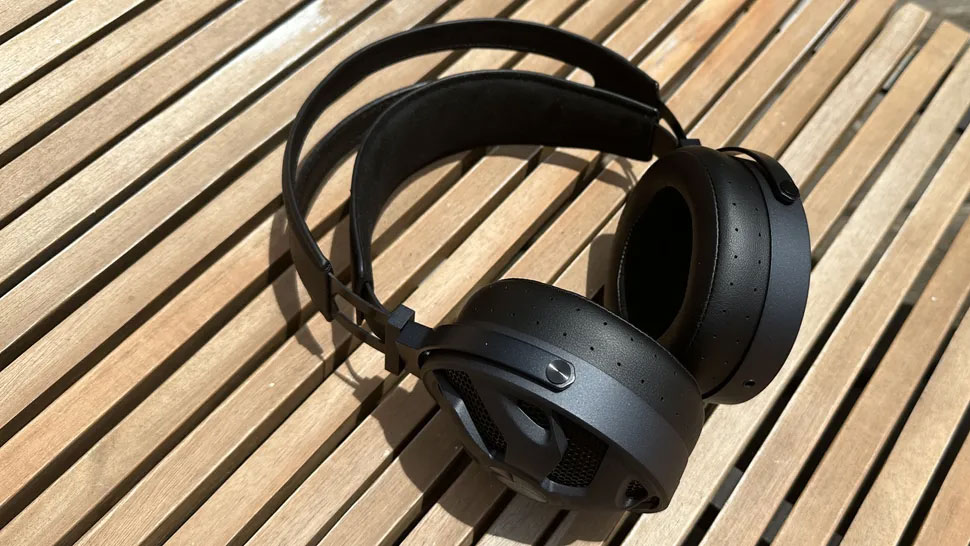
The original FT3 uses a 60mm dynamic driver, open aluminum enclosure, and 350-ohm impedance. It includes a long detachable cable and several plug options, including 3.5mm, 4.4mm, 6.35mm, and balanced XLR through the supplied modular system.
At roughly 391g without the cable, it is heavier than the HD 660S2 and Grado SR80x. The 350-ohm load also makes source matching important; a low-powered dongle may not provide the desired headroom. The open design is intended for a quiet room and will not contain sound.
Best for: a stationary hi-fi setup with a capable amplifier and room for a long cable.
Which design should you choose?
Choose the HD 660S2, Grado SR80x, or FiiO FT3 when you listen in private and specifically want an open-back presentation. Pick the Sivga Oriole or Meze Liric when leakage would disturb someone nearby. Select the Sennheiser IE 300 or 1MORE Triple Driver when portability and passive isolation matter most.
Wireless earbuds remain more convenient for exercise and calls; TipsMake’s earbud comparison covers that alternative. Whichever style you buy, keep the listening level moderate and take breaks during long sessions.
Related Articles
 Top 10 Best Wired Headphone Headsets10 minutes read
 How to Use Wired Headphones Properly to Protect Your Hearing: Step-by-Step Guide13 minutes read
 How to Choose Good Quality Wired Headphones: Step-by-Step Guide10 minutes read
 Top 10 Good Wired Headphones, Most Worth Buying in 2023: What to Know13 minutes read
 3 Models of Wired Headphones Worth Buying from Sony in the Segment of Less Than 1 Million6 minutes read
 10 Models of Sports Headphones Worth Buying 201918 minutes read
Reader Comments 0
Sign in with email or Google to join the discussion.