Table of Contents
This updated guide explores dark web risks even when you are not breaking the law with practical details, clear explanations, and useful takeaways. The dark web is full of illegal and dangerous content – but chances are you will not encounter it unless you go looking for it yourself. Still, even if you're not actively looking for trouble, there are still plenty of risks It is best to avoid.
7. Accidental Exposure to Offensive or Illegal Content

Exploring the dark web with good intentions does not protect you from accidentally encountering offensive or illegal content. Unlike the surface web, which is moderated to some extent, the dark web is largely unregulated. Clicking on a seemingly innocuous link could lead you to graphic images, exploitation material, or violent media.
Dark web directories are often deliberately disorganized or misleading. If you know how the dark web works or use it regularly, you've experienced this. A site that looks like a privacy-focused forum can redirect you to something completely different. In some jurisdictions, viewing certain types of content can result in legal consequences. Along with legal risks, many people report lasting psychological distress after inadvertent exposure, especially when the content is sexually explicit or abusive.
6. High Risk of Malware and Cyber Attacks

Hackers thrive on the dark web, and unprepared visitors are easy targets. Malware, spyware, keyloggers, and ransomware are often embedded in files or links that appear to be legitimate resources. Just one careless choose can compromise an entire system.
Unlike legitimate websites that typically avoid hosting malware and putting users at risk, some dark web platforms intentionally host infected downloads. Some files are booby-trapped to infect systems Once they are opened, especially on sites that mimic popular tools or security applications.
5. Attract the Attention of Law Enforcement

Simply accessing the dark web can get you caught. Law enforcement agencies around the world, including the FBI and Europol, are actively monitoring known dark web hubs. Even if you're not doing anything wrong, your traffic to certain sites (or frequent use of tools like Tor) can raise suspicion.
As early as 2014, the NSA had systems in place to log and tag Tor users as surveillance targets, Wired reported. In other words, using the dark web can be conspicuous. Authorities often use browser fingerprinting, time-correlated attacks, and zero-day exploits to identify users.
4. Scams and Fraud Are Everywhere

Scammers thrive in the anonymity of the dark web. Whether you're exploring forums, using tools, or browsing marketplaces, scams are a constant risk.
You do not have to engage in transactions to get caught. Phishing sites, fake login portals, and malware-laden services are often disguised as community resources. Even trying to find out can land you on a fake site designed to harvest your data or steal cryptocurrency.
And when you do get scammed, there is little to no recourse. There is no customer support, no platform accountability, and certainly no legal recourse.
3. Anonymity Tools Are Not Perfect
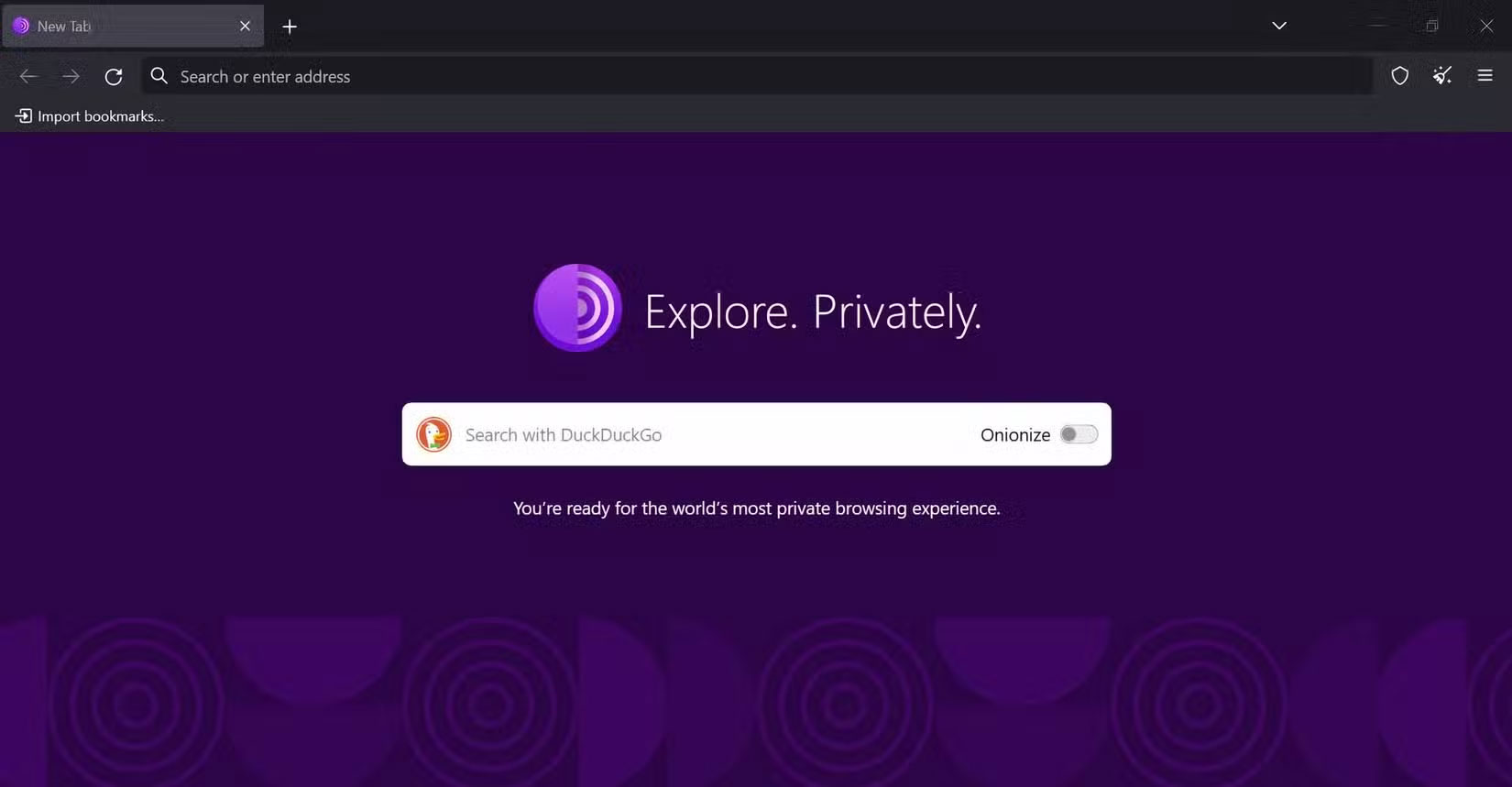
Tor, VPNs, and encryption tools are powerful, but they're not invincible. Just one misstep can expose your identity, even if you're using the most privacy-respecting tools available.
Tor protects your location but not your behavior. If your browser is not configured properly or if you access surface web links, you may be leaking your identity.
Browser fingerprinting, WebRTC leaks, and improper DNS configuration can all compromise anonymity. Many users assume that Tor is completely secure, but combining it with bad habits or risky clicks can undermine its protection.
2. Unintentional Violation of the Law
You do not have to be intentionally committing a crime to be breaking the law. On the dark web, it is easy to cross legal lines without realizing it. Visiting certain marketplaces, downloading unknown files, or interacting in the wrong forum may be illegal depending on where you live.
In some countries, simply clicking on a link to prohibited material is enough to incur consequences, even if you do not know what's behind it. Sharing or reposting content can be considered distribution, which carries severe penalties.
1. Psychological and Emotional Risks

The dark web is not only technically dangerous, it can be emotionally damaging. Even brief exposure to its dark content can lead to anxiety, stress, or emotional distress.
This is a space where trust does not exist, and some of the most disturbing content on the Internet is just a choose away. Whether it is graphic violence, disturbing ideologies, or content that should never be shared, what you encounter can haunt you long after you log off.
Navigating the dark web also means constantly double-checking every link and interaction. That constant paranoia and stress can erode your peace of mind. Some users even report changes in their worldview or sense of security after prolonged exposure.
FAQ
What is the main takeaway about Dark Web Risks Even When You Are Not Breaking the Law?
The key is to understand the core idea, compare the available options, and apply the practical guidance that matches your situation.
What should beginners know about Dark Web Risks Even When You Are Not Breaking the Law?
Start with the essential steps and terminology. Avoid changing advanced settings until you understand how they affect performance, privacy, cost, or compatibility.
How can I use this information in practice?
Follow the relevant section in order, test one change at a time, and confirm the result before moving to the next step or recommendation.
Related Articles
 How to Use the Dark Web Without Doing Anything Illegal10 minutes read
 What Is Dark Web? Who Uses It? the Potential Dangers of Dark Web20 minutes read
 Should You Use a VPN on the Dark Web: Key Facts10 minutes read
 The Dark Web Is Not Illegal, but Be Wary of These 7 Things!9 minutes read
 How Does the Dark Web Affect Security?6 minutes read
 What Happens When We Break Our Fingers Cracked3 minutes read
Reader Comments 0
Sign in with email or Google to join the discussion.