Table of Contents
Clean high surfaces first, pick up loose dust before mopping, and use only the amount of cleaner the label recommends. These steps prevent dust, sticky residue and crumbs from undoing work you’ve already finished.

1. Starting with the floor
Work from shelves and counters down to lower surfaces, then vacuum or sweep and mop. In a kitchen, wipe an over-the-range microwave before cleaning the stove. In a bathroom, wipe wall tiles before cleaning the tub.
2. Using too much cleaner
Measure concentrates as the label directs. Extra product can leave streaks or a sticky film that needs another pass to remove. For natural stone, choose a product approved for that surface. Keep cleaning products separate.

3. Ignoring the label’s contact time
Follow the label for application, dwell time and rinsing. If you are disinfecting, the CDC advises that the surface stay visibly wet for the product’s full contact time. Check any special instructions for surfaces that touch food.
4. Moving dust from one surface to another
Use a microfiber cloth that picks up dust, or dampen it slightly where the surface permits. Fold the cloth and switch faces as it gets dirty. Vacuum loose debris before wet mopping.
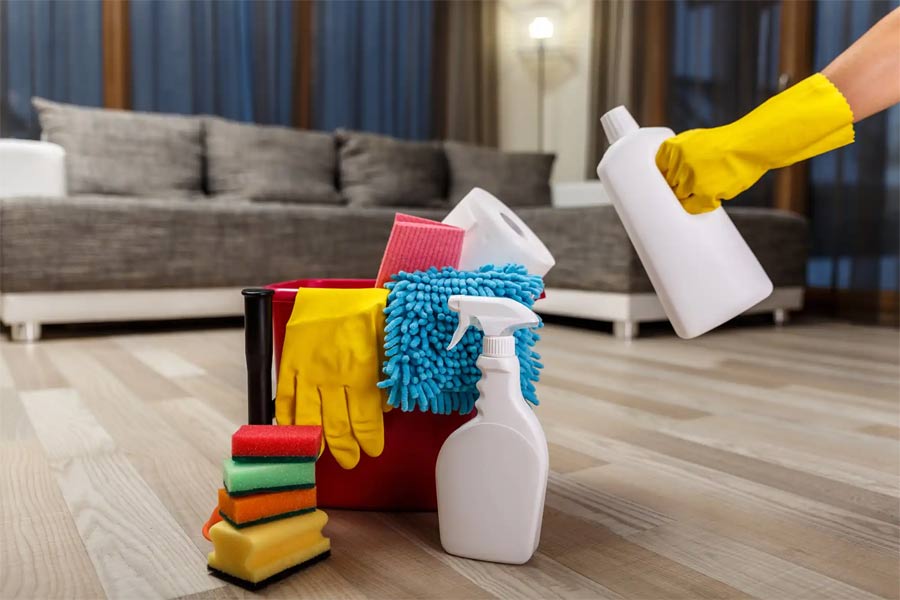
5. Scrubbing dried food before loosening it
If the cookware maker allows soaking, soften dried food with warm water and dish soap before wiping it with an appropriate sponge. Follow the manufacturer’s care directions for cast iron, nonstick coatings and other finishes that need special handling.
6. Using the same tool for every job
Choose a soft cloth for delicate finishes and keep separate cloths for different tasks. A cloth used to wipe up raw meat juices can spread contamination. See how to avoid transferring germs during kitchen cleanup and how to organize a kitchen for faster cleanup.
Related Articles
 Cleaning habits that are a complete waste of time
 Top 4 common mistakes to avoid when cleaning your computer
 15 habits of wasting time need to be removed immediately
 7 reasons why never making mistakes is the biggest mistake
 7 mistakes or mistakes when cleaning the camera
 4 Habits to Help You Stop Wasting Time on Your Phone
Reader Comments 0
Sign in with email or Google to join the discussion.